Mayor Erin Mendenhall and Salt Lake City’s Sustainability Department opened applications for the SLC Food Microgrant program to increase Salt Lakers’ access to fresh, healthy, affordable, and culturally relevant food.
Continue reading
Mayor Erin Mendenhall and Salt Lake City’s Sustainability Department opened applications for the SLC Food Microgrant program to increase Salt Lakers’ access to fresh, healthy, affordable, and culturally relevant food.
Continue readingBy SLCgreen Intern Frances Benfell
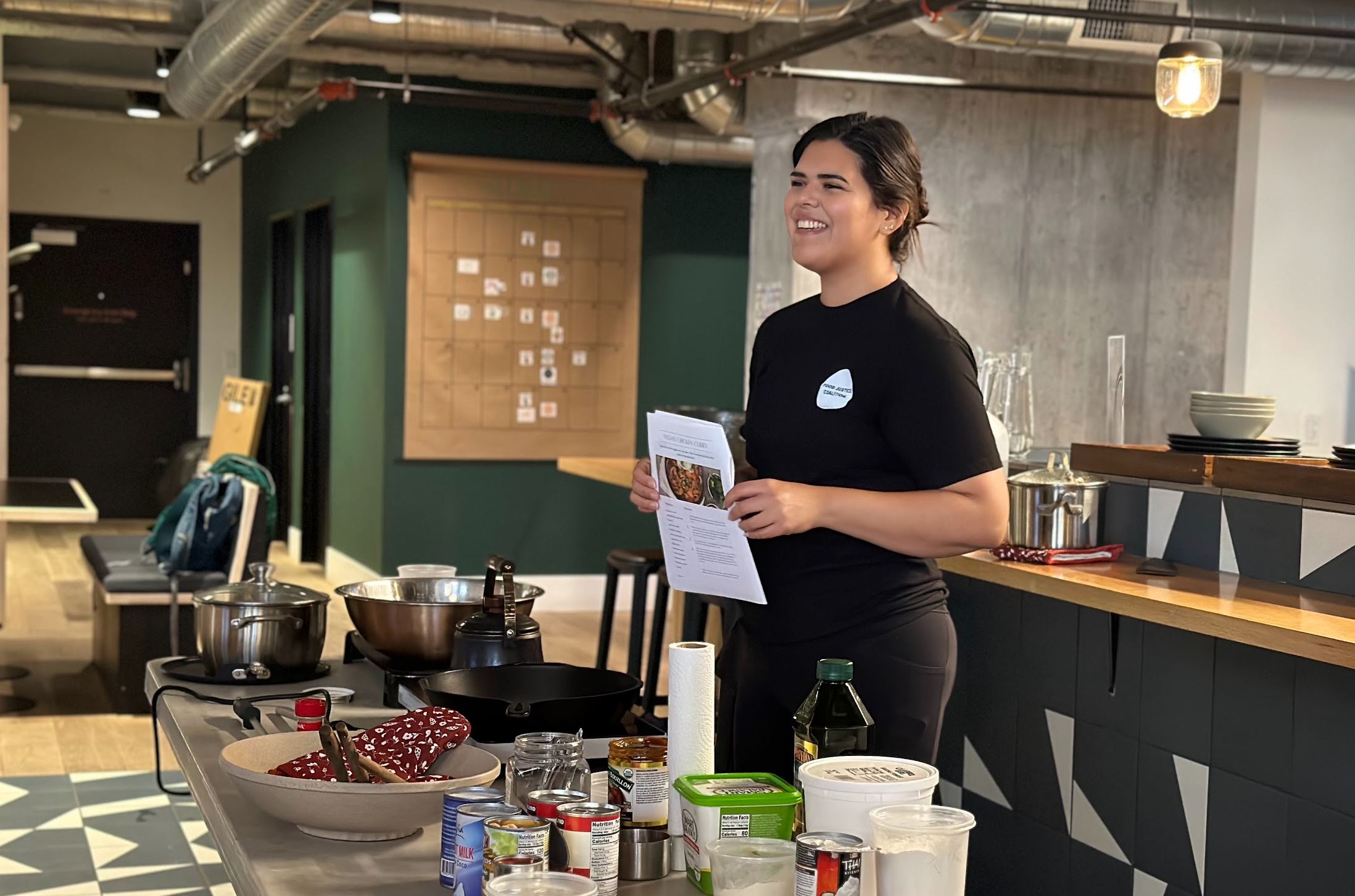
According to Jeanette Padilla Vega, the founder and CEO of the Food Justice Coalition (FJC), humanity’s greatest unifier is food. As she put it, her organization is “trying to change the world one rice bowl at a time.” As I observed her community cooking class and the aromas of her vegan chicken curry filled the air, I believed in her food’s world-changing power.
The FJC was one of 13 community organizations awarded a Salt Lake City Food Equity Microgrant this year.
Continue readingBy SLCgreen Intern Kellen Hunnicutt
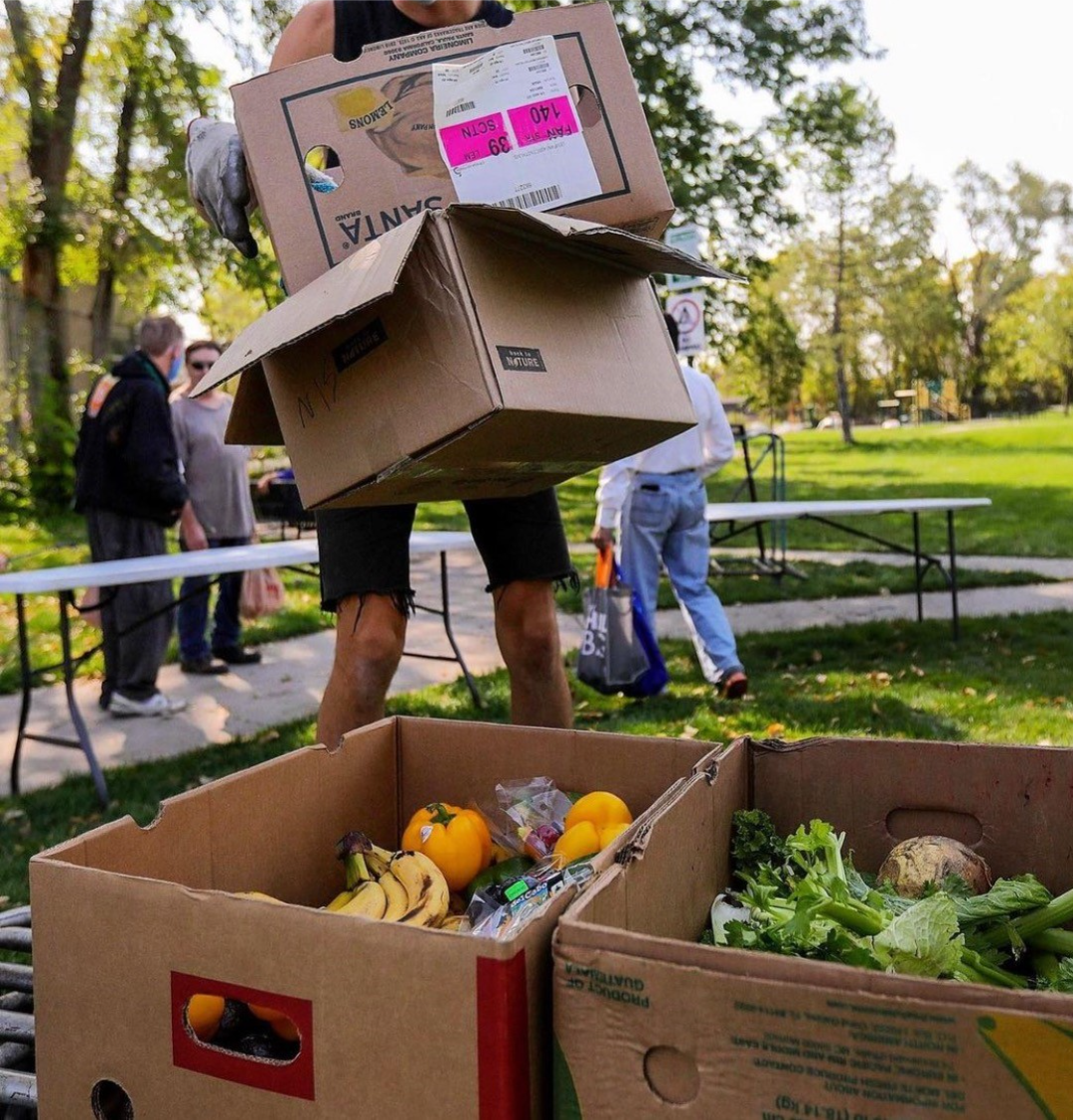
There is a difference between what is safe to eat and what can be sold at a grocery store. Best-by and sell-by dates are not designed to be safety dates; rather they’re reference points indicating when foods may have the best flavor or quality. Similarly, bruised or oddly shaped foods may be rejected by grocery stores, even though they’re still nutritious and safe to eat.
Food Not Bombs is a global organization committed to food recovery, equity and mutual aid. The Salt Lake City chapter has been operating continuously since 1999. The group has built relationships with local food providers such as Natural Grocers, Good Earth Markets, and City Cakes Bakery. Each week, volunteers pick up food from these locations that is edible but unsellable to redistribute to the community.
Continue reading