In the past 11 months, we’ve explored simple ways to improve the air inside your home. We’ve looked at topics from better ventilation to reducing everyday pollutants. Thanks for joining us on this journey!
As we wrap up this program, we want to leave you with something lasting: a simple, practical guide you can use year round to keep your indoor air clean and your household healthy.
Microplastics in Indoor Air: What We Know & What You Can Do
February is a time when we usually spend more time indoors, making indoor air quality especially important for your health and comfort.
What Are Microplastics?
Microplastics are tiny plastic particles smaller than 5 millimeters. Indoors, they are most found as microscopic synthetic fibers shed from materials like polyester, nylon, acrylic, and polypropylene. Research shows these particles occur widely in indoor air and are inhaled during everyday activities.
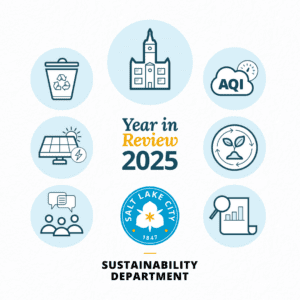
Whew! What a year. We knew going into 2025 that people felt discouraged and worried about climate action with a new federal administration. But have hope! Because there is meaningful, sustained action taking place right here — action we could not have accomplished without your support.
You showed up for our Climate Plan survey, supported renewable energy options for Salt Lakers, recycled tons of material (9 million tons, actually) and exchanged a lot of gas-powered yard care equipment for electric instead. All this will keep adding up to solutions for a healthy, sustainable future.
Visit our website to check out our 2025 recap and the exciting work we’ve got on deck for 2026.
By SLCgreen intern Wiley Speckman and staff Jude Westwood
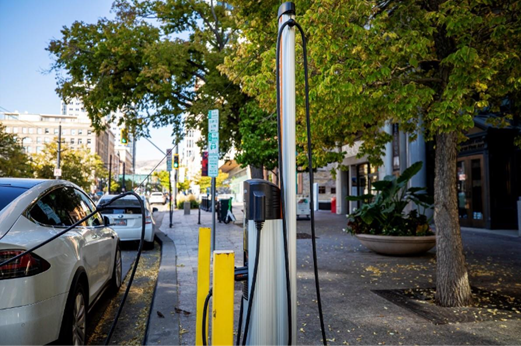
Thinking about a new car? Gas feels familiar and reliable, but if you care about climate change and air quality you may want to consider an electric vehicle (EV) instead. Here’s what you need to know.
January is recognized nationwide as Radon Awareness Month, a public health initiative led by federal and state agencies to encourage radon testing and mitigation in homes and buildings.
Winter conditions often increase indoor radon levels due to reduced ventilation, making this month especially important for awareness and action.
Each winter, the Wasatch Front experiences a natural weather pattern called an inversion — when a layer of warm air traps colder air (and pollution) near the ground. With nowhere for pollutants to go, our valley becomes a smog-filled bowl.
This impacts outdoor air and can affect indoor air quality, especially during long-lasting inversion events. As we enter peak inversion season, here’s what you need to know to keep your home healthy, safe, and breathable.
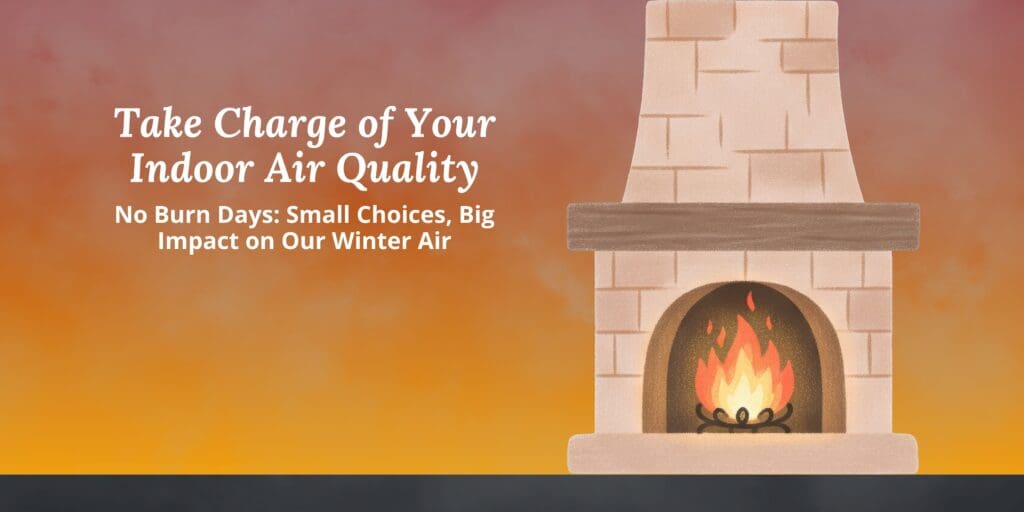
🔥 Winter Air Quality Alert: Know the Rules, Protect the Air
Winter brings one of Utah’s biggest air quality challenges — inversions. But what exactly is an inversion? This natural phenomenon occurs when a high-pressure system is setting up, trapping cold air on the valley floors with warmer air above it. This warm air also traps all our pollution with the cold air, keeping it contained in the valley until the inversion breaks.
To help keep our air healthy when it matters most, the Utah Division of Air Quality (UDAQ) created the Mandatory No Burn Program.
It’s hard to believe we’re already six months into the Indoor Air Quality program!
October is Healthy Lung Month — the perfect time to give your lungs and your home a fresh start. As cooler weather moves in and we spend more time indoors, a quick “Air Quality Reset” now can help you breathe easier all season long.
Photo Credit: SLCgreen. Poster titled ‘Be Part of the Solution – Not Part of the Pollution’.
We all know air quality is a problem for Salt Lake City. We can see our poor air quality in the winter with smoggy inversions, but you may not realize that air quality is just as big of an issue during the warmer months!
Let me introduce you to… OZONE! Ozone is formed by pollutants such as carbon monoxide, nitrogen dioxide, and volatile organic compounds that interact with sunlight and heat. As temperatures rise across the valley, the formation of ground ozone rises as well, making us much more likely to breathe it in. Since ozone is odorless and invisible, we may not realize that breathing it in is damaging our cardiovascular systems and is like getting a sunburn to our lungs… ouch!
So, what can we do about ozone to help keep our air and communities clean? One important and easy thing we can all do is to be idle free!