As Salt Lake gardeners know, the cold is settling in and the growing season has just come to a close. We are all gearing up for holiday season – a time when food is more than just a meal. It is central to cultural celebrations and community connections.
This is an especially hard time for food insecurity.
In our city, about 1-in-4 (25%) residents are food insecure. Thousands of our neighbors rely on the Supplemental Nutrition Assistance Program (SNAP), formerly called “food stamps,” to make ends meet. Even when the benefit program is operating normally, families often must make difficult choices between necessary expenses like healthcare, childcare, paying rent, or putting food on the table. That is why recent developments around SNAP have been so concerning.
Salt Lake City Mayor Mendenhall’s new 2021-2022 city budget emphasizes financial stability for Salt Lake City, as well as “opportunities for an abundant, transformational, equitable future for all the city’s communities.”
The $350 million budget allocates funds to numerous initiatives and programs that will help Salt Lake City implement recommendations from the Commission on Racial Equity in Policing as well as expanding support for affordable housing. Salt Lake City will continue to prioritize building a sustainable and resilient city for all residents.
Due to the COVID-19 pandemic, residents have had unprecedented access to local government, connecting with departments more than ever. As SLCgreen moves into the new fiscal year, which begins July 1, we aim to build from this access, inviting more of our community into the decision making process, and working with the community towards greater sustainability and resiliency for all.
The newly approved budget allows Salt Lake City to continue to invest in critical public services, renewable energy projects, air quality, food access, climate equity, and more, which are described below.
Waste and Recycling Rate Increase
The adopted budget contains a rate increase on garbage containers. As you may recall, the Sustainability Department undertook a large public engagement process in late 2019/early 2020 to evaluate residents’ satisfaction with our waste & recycling services, and to seek feedback on how they’d like to see future rate increases occur.
While we do not take lightly the fact that rate increases impact everyone– and some more than others– we want you to know that we have worked hard for years cutting costs and streamlining our operations to forestall the need for a rate increase. However, it has been nearly seven years since we last raised rates. In that time, the cost of doing business has increased– impacting everything from purchasing and maintaining our refuse vehicles, to disposing of garbage at the landfill, to keeping up with the cost of living. For a couple of years, there were also fees associated with processing the City’s recyclables. (So far in 2021, we have begun to make money again on recycling which is great news. We are committed to maintaining a robust program through the ups and downs of the recycling commodity market).
You can visit this page to learn more about the rate increases, the survey, and what to expect. As always, if you have questions or comments, don’t hesitate to reach out to us at slcgreen@slcgov.com
Projects on Energy, Food, Air Quality & More
In our policy division, we are moving forward with some impactful and important projects. Here’s a closer look at some of what’s in store for the Sustainability Department’s Energy & Environment Division:
Advancing Salt Lake City’s Community Renewable Energy Goals
The Community Renewable Energy Program (C-REP), empowered by the Community Renewable Energy Act, H.B. 411, will help Salt Lake City reach its goal of community-wide net-100% renewable electricity. In 2022, Salt Lake City will work with other participating communities to bring Salt Lake City closer to its goal of 100% renewable electricity for the whole community. Learn more on the Utah100 Communities’ website.
Our food choices are important. In fact, in Utah, food choices contribute 25% of the household carbon footprint. This a result of the growing, harvesting, transportation, packaging, and cooking processes involved with getting our food to our tables.
While the restrictions as a result of COVID-19 have made shopping for groceries difficult, and food access remains an issue. However, the country’s farmers still have a large supply of food. Safely harvesting and selling the produce is what’s challenging.
Even though the farmers markets are temporarily closed, we can still support local growers and get healthy, sustainably grown food at the same time.
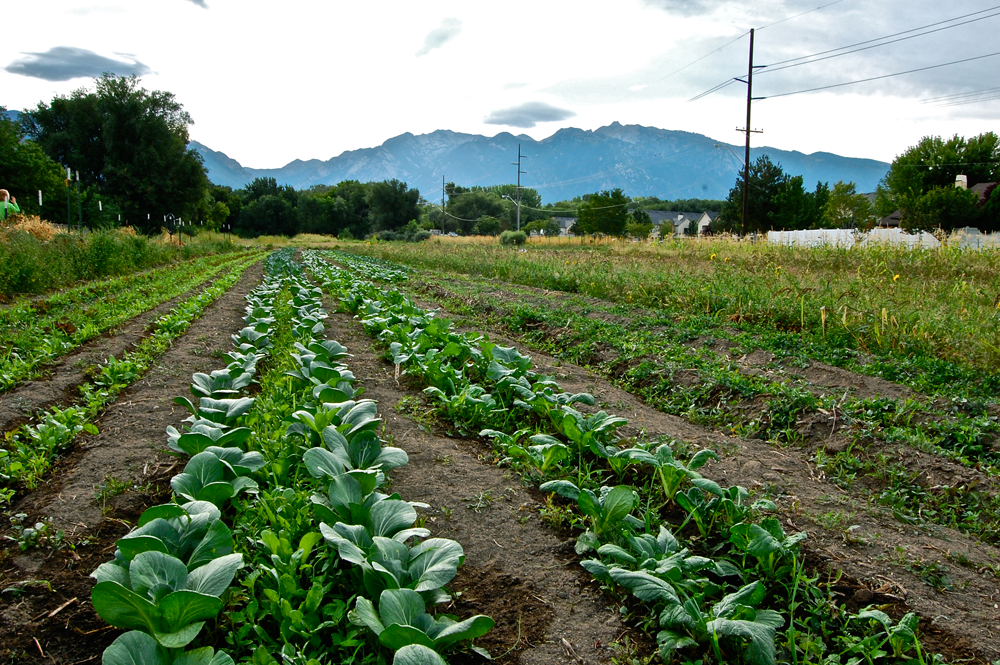
Our local farmers need support right now! With only 2-3% of the produce consumed in Utah grown in the state, local agriculture is already in a fragile state.
SLCgreen is working hard with our partners to find ways to support these farmers so they can continue operating– during this challenging time and into the future.
Plus, eating more produce and eating local is good for you!
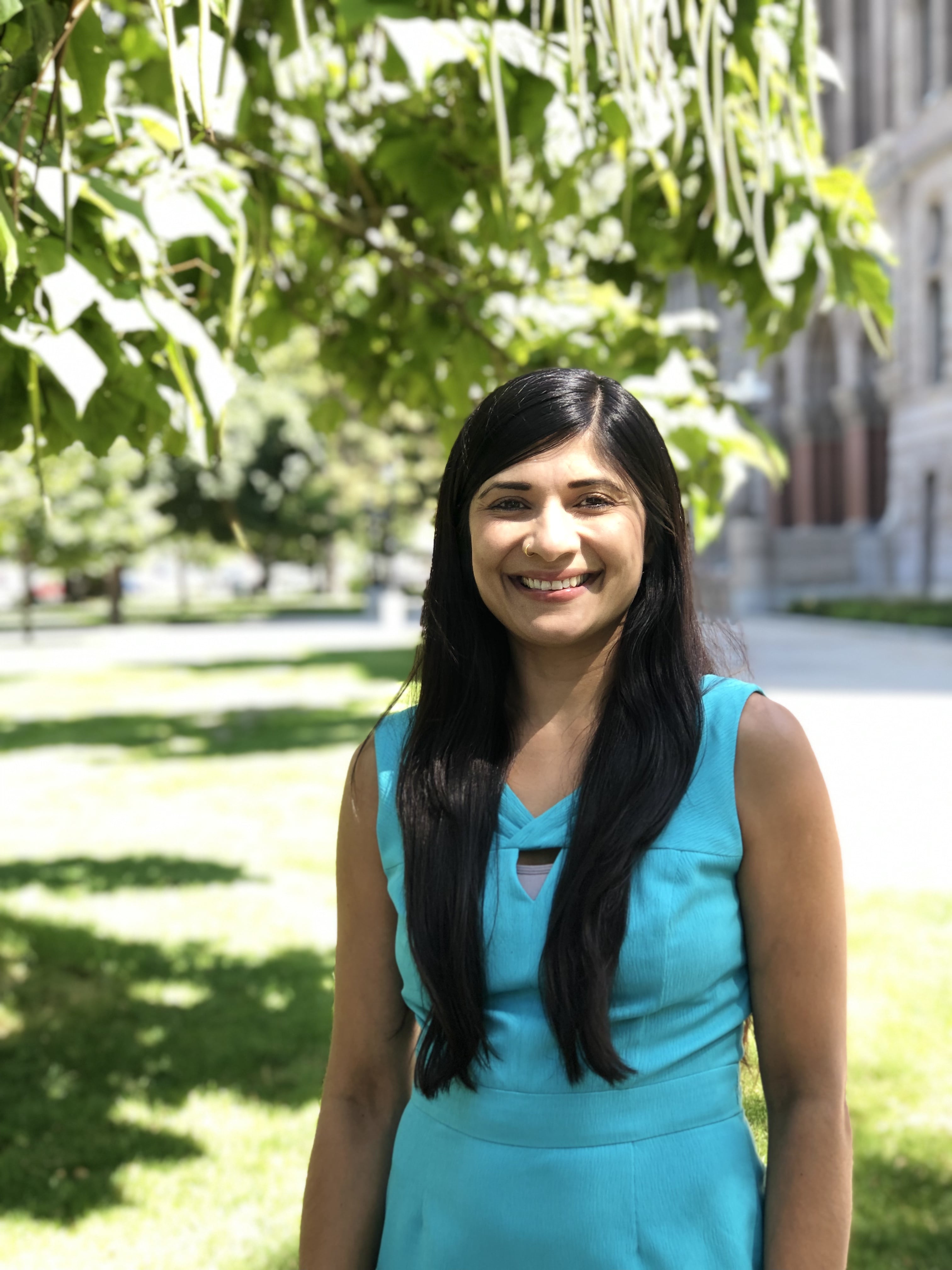
Supreet Gill is SLCgreen’s new Sustainability Program Manager.
SLCgreen is thrilled to welcome Supreet Gill to the Sustainability Department as our new Program Manager!
Supreet brings 15 years of experience in community food systems and a passion for improving urban and ecological resilience through sustainable agriculture and equitable community engagement.
Supreet has engaged in food systems on all levels — as a farmer, program manager for a refugee agriculture project, coordinator of urban farming and farm to school programs, and nutrition educator, to name a few!
In her prior position with Salt Lake County’s Urban Farming and Open Space program, she worked on numerous projects focusing on public lands management and community food systems. She also served on Salt Lake City’s Food Policy Task Force (now Food Policy Council) and has deep connections in the local food community.
As Sustainability Departmentprogram manager, Supreet will continue building our existing programs as well as developing new ones to strengthen the capacity of community residents and leaders to enhance the regional food system.
In short, her work is dedicated to improving community health and well-being, as well as making sure all residents have access to healthy, affordable, local food.
That goal entails a deep focus on community partnerships. She’ll continue making connections in the community– with farmers, local food producers, and other stakeholders. She’ll also work to ensure that communities, groups, and individuals with lower-access to resources are involved as deeply as possible in Salt Lake City’s work.
Finally, Supreet’s role will also include bridging with other government entities– within and outside of Salt Lake City– to prioritize strategies related to social and environmental justice, improving the local food system, and fostering equitable access to healthy food.
We’re thrilled to have her on the team!
Say hello when you see her at an upcoming community event . . . or a garden around town!
Welcome to SLCgreen Connections, an occasional series highlighting SLCgreen’s fantastic local partners—the people and organizations with whom we work closely to make Salt Lake City a greener, more vibrant, and sustainable city!
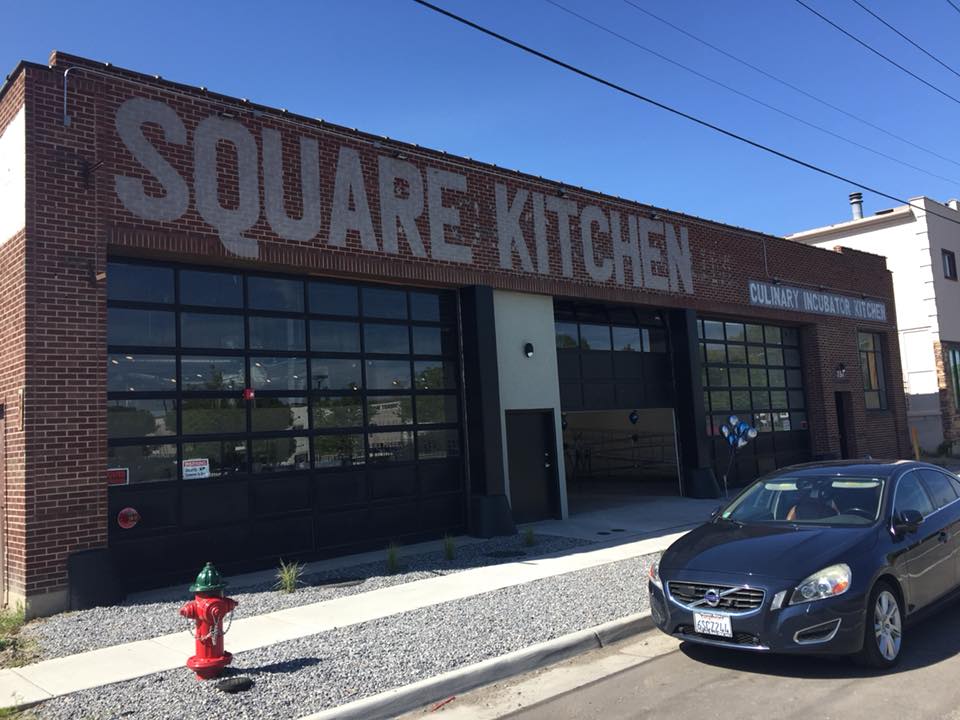
Can you believe it? It’s been over a year since Salt Lake City’s Square Kitchen opened. This labor of love took 8 years to fully realize and was one of our Department’s core Local Food access programs.
In that time, Square Kitchen’s Analia Valdemoros and Tham Soekotjo have truly taken the idea of an “incubator kitchen” from a dream to a thrilling reality while maintaining a strong focus on client support, flexibility, and creativity.
We met with Ana and Tham at the Square Kitchen facility on 751 West and 800 South to learn more about their first year of operation and take a peek at some of the local food businesses that got their start at the unique incubator space.
Every summer, across the valley, fresh fruit goes to waste, falling off of neighborhood trees and rotting on sidewalks and in backyards. The good news is that with an abundance of fruit trees, Salt Lake City is in a unique position to cut down on waste and provide affordable access to healthy food.
That’s how the Fruitshare program was born. Salt Lake City worked with the non-profit Green Urban Lunch Box (GULB) to launch this program several years ago with the goal of reducing food waste and providing healthy fruit to residents in need. SLCgreen has also supported the program financially until it became self-sustaining.
Since then the program has expanded beyond Salt Lake City, to include other areas along the Wasatch Front.
Instead of losing the fruit to the landfill, the SLC FruitShare will bring volunteers to harvest your fruit for you! If you have a tree or orchard that produces an abundance of fruit each year, you can register you trees and help strengthen our local food system.
Here’s how it works:
GULB volunteers harvest the fruit
FruitShare participants (the homeowners) will receive one-third of what’s gathered.
The other two-thirds is split between the FruitShare volunteers and hunger relief programs.