Tag Archives: air quality

The State of Salt Lake City’s Air

-As I have said before, there is nothing more important than the air we breathe. And working to clear our skies is a top priority of my administration.- (1)

Today the American Lung Association released its 17th annual State of the Air report, which ranks the air quality in our nation’s cities and counties. Salt Lake City, Provo and Orem ranked 6th for short-term particulate exposure.

Mayor Biskupski has announced an aggressive air quality platform that aims to drastically reduce pollution through improving energy efficiency in buildings, increasing use of renewable energy like solar, sourcing cleaner vehicles, and creating a robust clean air network focused on advancing clean air legislation.

Join the City of Salt Lake and do your part to reduce pollution!

Stay informed.

Take action even on voluntary air days. This is when we have the best chance to keep our air cleaner, longer – especially when we know that an inversion has set up in the valley.

Skip and reduce trips.
 

  • Aim to leave your car parked, one more day a week. Modern vehicles emit the vast majority of trip pollution in those first two minutes on the road. Skipping car trips by using public transportation, arranging a carpool or other alternatives make a measurable impact.
  • On days you must drive, chain your trips together to reduce “cold start” pollution.

Explore Salt Lake City on public transit. Ride UTA can help you plan your next transit adventure.

Commit to being idle free! This is one of the easiest things you can do to have a positive impact. Idling wastes gas and money and adds unnecessary pollution into our air. Plus when you idle, you’re exposing yourself and your passengers to higher levels of harmful pollutants.

Skip the fire! Burning wood, whether in your fireplace or fire pit, has a huge impact on our air quality. One fireplace can emit as much particulate pollution as 90 sport utility vehicles.

Get active. Biking is a great way to get some exercise and limit your impact on air quality. The Bicycle Collective shares some great tips in this UCAIR spotlight.

Take the Clear the Air Challenge!  Find new ways to drive down your miles and measure your impact.

Increase the energy efficiency of your home.

  • Weatherize your home, and cash in on Rocky Mountain Power and Questar Adding insulation and upgrading your windows will not only save you money on your utility bills, it will keep your home warmer in the winter and cooler in the summer.
  • Upgrade your furnace and water heater. Rebates are available for residents who upgrade their furnace and water heaters. Water heaters are a significant source of NOx emissions and that adds to Utah’s wintertime PM 2.5, problem.
  • Swap out your lightbulbs to LEDs. By replacing your home’s five most frequently used light fixtures or bulbs with ENERGY STAR rating, you can save $75 each year.

 Opt for people powered or electric tools for yard work. 

  • Get exercise while doing yard work by using push mowers instead of gas powered lawn mowers. According to the U.S. EPA, a new gas lawn mower produces as many VOCs and NOx emissions in in in one hour as 11 new cars.
  • Not able to use a push mower or manual tools? Look for electric alternatives to mowers, leaf blowers and weed whackers.

Install Solar! Installing solar on your home does not have to be overly complex or costly. Check out Solar Simplified and find out how to start the process. If you aren’t able to install rooftop solar, keep an eye out for Rocky Mountain Power’s Subscriber Solar program launching soon!


Mayor Jackie Biskupski signs amicus brief in defense of President Barack Obama’s Clean Power Plan

Today, Mayor Jackie Biskupski joined more than 50 city and county governments from 28 states in signing an amicus brief in defense of the U.S. Environmental Protection Agency’s Clean Power Plan.

“I signed this brief on behalf of Salt Lake City because the effects of climate change are real, but so are the solutions,” said Mayor Biskupski. “The EPA estimates that the Clean Power Plan will reduce the pollutants that contribute to smog by more than 25 percent, a change that will benefit everyone along the Wasatch Front, especially during our increasingly dangerous winter inversion season.”

The brief, filed in federal court today, argues the administration’s plan is critical to the safety and economic security of local communities across the United States. Signatories of the brief represent a diverse geographic, economic, and political mix. In all, the signatories represent 51 localities, home to more than 18 million Americans.

“Climate change challenges our very way of life in Salt Lake City. Increasing temperatures and a shorter winter season are resulting in less snow, threatening not only our billion dollar ski industry, but the water we need to keep up with our population growth,” said Mayor Biskupski. “My administration is committed to strengthening our actions in cleaning our air. This week I asked our city’s Department of Sustainability to work with mayors and cities across the Wasatch Front to provide any resources we can to help them join this fight.”

The full brief is available here: http://web.law.columbia.edu/climate-change/clean-power-plan-amicus-brief

2016 Utah Bike Summit: Shifting Into High Gear

2016-summit-logo-263x300The 2016 Utah Bike Summit: Shifting Into High Gear will take place April 5th at the Salt Palace in Salt Lake City. The Utah Bike Summit is the statewide bicycle conference. The summit brings together everyday riders, bicycle and trail advocates, representatives from Utah’s bicycle industry, planners, engineers, representatives from Utah’s tourism industry and health fields, and local and state government officials in order to make Utah more bicycle friendly. Regardless of your interest in bicycling (transportation, recreation, road, mountain, commuter), the Utah Bike Summit is for you and all are encouraged to attend.
This year’s keynote speaker is Danish bicycle transportation expert Mikael Colville-Andersen. Here is a link to one of Mikael’s TED Talks. There will also be a closing address from Andy Clarke who served as the president of the League of American Bicyclists for 12 years before stepping down last year. In addition, there will be an update from UDOT Deputy Director Shane Marshall. The remainder of the day will be filled with breakout sessions that cover a wide variety of subjects related to increasing and improving bicycling across Utah.

Registration includes:

  • All educational/breakout sessions and keynote address
  • Networking opportunities
  • Catered lunch

Regular registration rates are available through March 18th.

For more information and to register, visit : http://bikeutah.org/utah-bike-summit/utah-bike-summit-2/

Salt Lake City Partners with Utilities to Improve Building Energy Efficiency

Last Friday, Salt Lake City was recognized by The White House and U.S. Department of Energy (DOE) for its efforts to unlock access to energy data for building owners and improve energy efficiency.

Since 2013, Salt Lake City has partnered with both Rocky Mountain Power and Questar to provide whole-building energy data access to building owners through the Environmental Protection Agency’s ENERGY STAR Portfolio Manager Tool. The effort, which is on track for completion in 2017, will ensure effortless energy data management for building owners, providing a complete picture as to building energy use and enabling them to employ more responsive strategies.

“Salt Lake City, Rocky Mountain Power and Questar are working together to help building owners understand how their building is operating and to identify opportunities to improve energy management,” says Vicki Bennett, sustainability director for Salt Lake City. “By automating and streamlining the process, more Salt Lake City building owners will be able to improve energy efficiency – ultimately saving energy, money and emissions.”

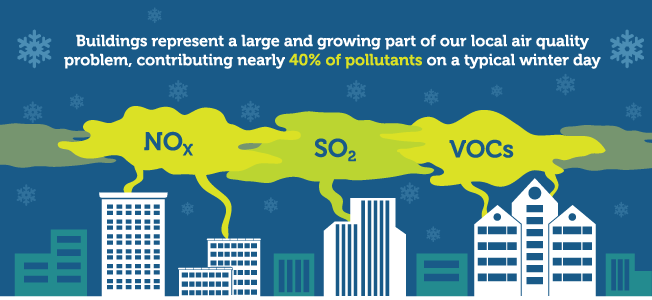
Salt Lake City is committed to improving air quality, and buildings play an important role in emissions. The most recent data from the Utah Division of Air Quality show that 39% of existing air pollution comes from area sources (i.e. homes and businesses). This percentage is expected to increase significantly over the next 20 years as vehicles become more efficient, making building energy efficiency efforts more and more important.

Last week, Mayor Jackie Biskupski extended an invitation to leading industry experts to share their ideas and best practices for energy efficiency in buildings, as part of the Elevate Buildings process.

“There is nothing more important than the air we breathe, and working to clear our skies is a top priority of my administration,” says Mayor Biskupksi. “By collaborating with industry experts we will help improve air quality through increased energy efficiency our city’s largest buildings.”

Learn more about Salt Lake City’s efforts to cut energy waste in buildings at SLCgov.com/ProjectSkyline.

Project-Skyline-Infographic-Blog-Banner

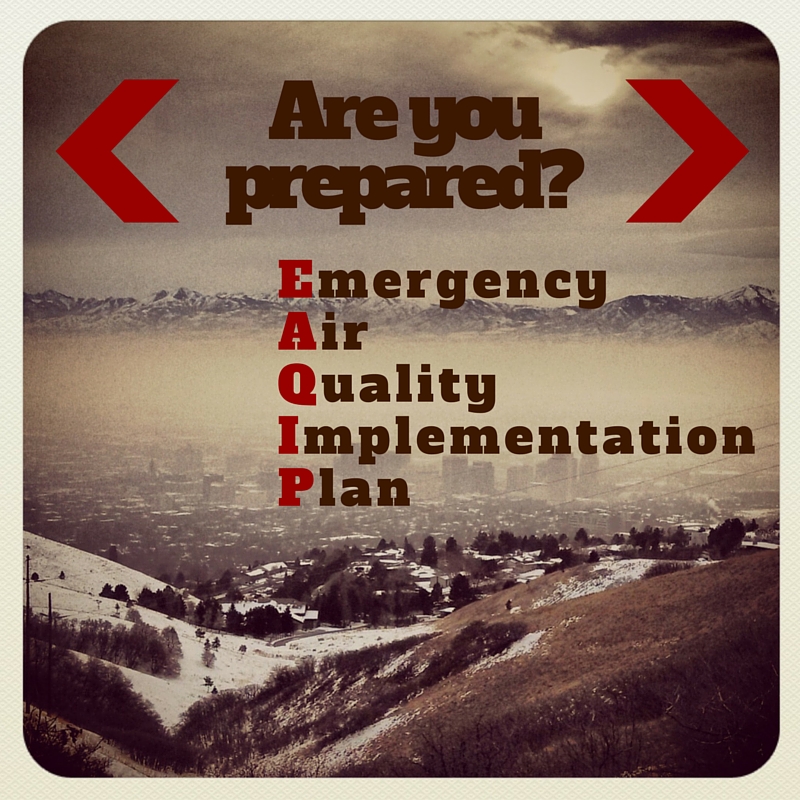
Consider Creating an Emergency Air Quality Implementation Plan

Are you prepared

Be prepared for poor air quality in Salt Lake City, create an Action Plan!

Breathe Utah has a great Emergency Air Quality Implementation Plan toolkit to help you create your own action plan for bad air days.  Enacting a plan can help reduce the number of red air days and improve our community’s health.  Utahns are known for emergency preparedness, so why not have an emergency air quality plan in place?

  • Know in advance when the air quality will be unhealthy;
  • Plan how to avoid or reduce driving on those days to lessen the health impacts of air pollution on our community;
    • Take public transit, carpool, telecommute, trip-chain, walk or bike!
  • Test the plan in advance to work out any problems before the red or yellow air days are upon us;
  • Share with others that you have made this plan to inspire them to create their own; and,
  • Finally, act on your plan, because now you will have a plan in place and will know exactly what to do when the air quality deteriorates.

Thanks Breathe Utah!  Visit their website for more details.

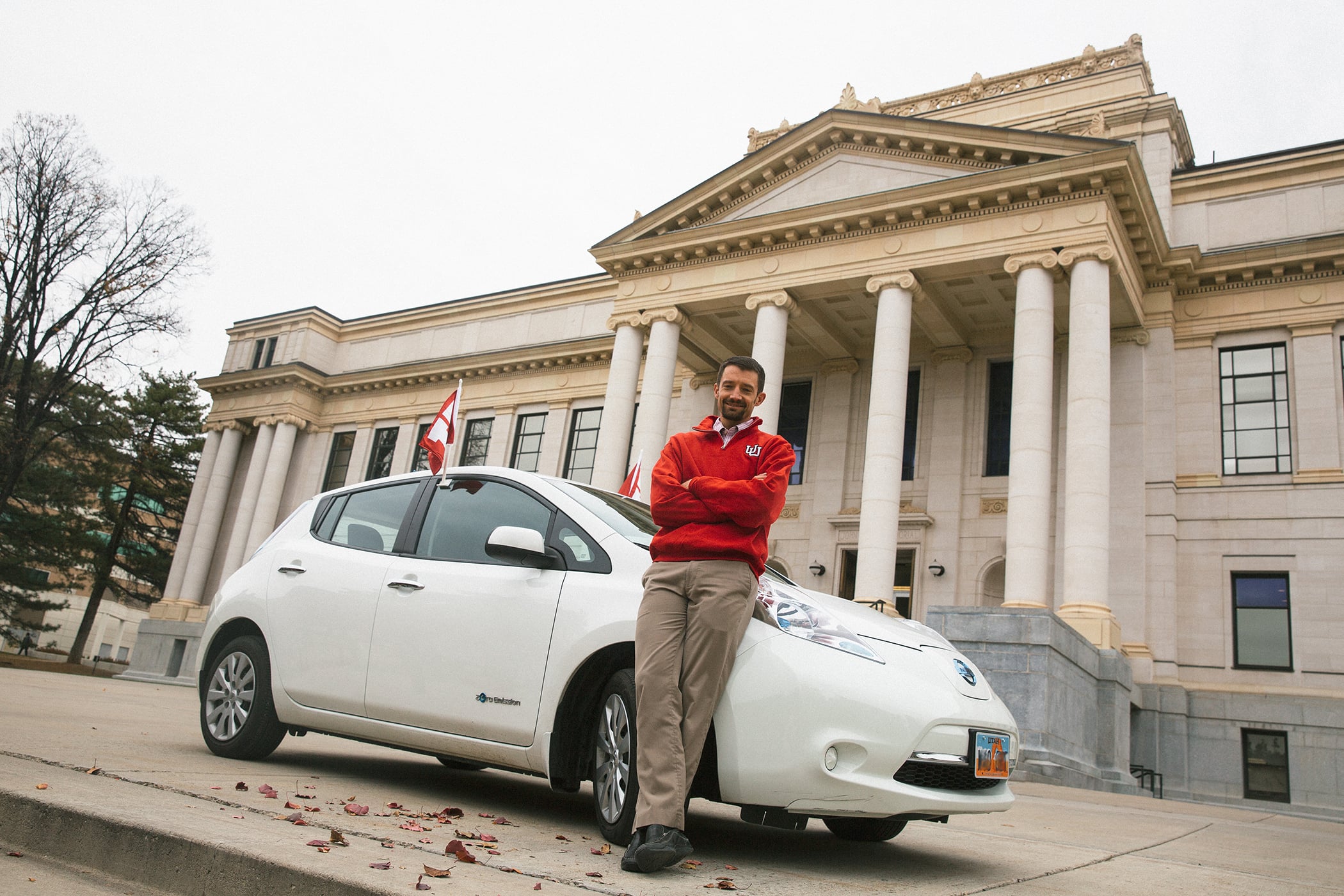
Community electric cars come to University of Utah

u-electric

Exciting news from our friends at the University of Utah today! They have announced a new bulk purchase program that offers steep discounts on an array of electric vehicles. Read on for details – SLCgreen

The University of Utah is the first university in the country to sponsor a community-level electric vehicle purchase program that includes discounts on multiple makes and models.

U Community Drive Electric offers members of the U community, including faculty, staff, students, alumni and campus guests in Salt Lake, Summit, Weber, Tooele, Utah and Davis counties, the opportunity to purchase or lease electric vehicles at a discount of 5 percent to 20 percent off of MSRP. The limited-time program launches today, Dec. 14, and runs through Dec. 31, 2015.

Car dealers are able to offer a discount because these types of community programs tend to generate more customers in close proximity during a specific timeframe. There are three participating car dealers: BMW of Murray, Larry H. Miller Ford Lincoln – Sandy and Tim Dahle Nissan of Murray.

There will be a community workshop with questions and answers, Thursday, Dec. 17, 6-7:30 p.m. at the University of Utah Spencer Fox Eccles Business Building on the 7th floor, 7170.

This program is part of the university’s goal to implement creative solutions to lessen its environmental impact and to improve conditions for the community and future generations. With almost 50 percent of Utah’s urban air pollution coming from tailpipe emissions, electric vehicles represent an important tool for improving air quality along the Wasatch Front.

“We are excited to support U community members’ access to emissions-reducing cars that will improve air quality,” said University of Utah Chief Sustainability Officer Amy Wildermuth.

To offer this incentive, the Sustainability Office is partnering with Utah Clean Energy, a nonprofit, public interest organization that works to drive the transition to a clean energy future. The program is enabled by a generous grant from Utah Clean Air Partnership, or UCAIR, which encourages businesses, government agencies and nonprofit organizations to invest in emissions-reducing and energy-efficient technologies.

“This is a terrific program recognizing the positive impact electric cars can have on air quality,” said UCAIR Director Ted Wilson. “I congratulate the University of Utah and Utah Clean Energy for forming a strong program making electric cars more economical to buy. Once owned, they are clean and simple with almost no maintenance. In other words, both economically smart and a fine contribution to better air.”

“The support of UCAIR is key to U Community Drive Electric,” said Wildermuth. “This unique opportunity will allow individuals to make a meaningful difference for our local community and will serve as a model to others for what is possible. Reducing tailpipe emissions is just one of the many ways we are working to improve local air quality. With UCAIR support and partnership with Utah Clean Energy, we hope to help make a significant contribution.”

In addition to increasing awareness about electric vehicles’ impact on Utah’s air quality, the organizers of U Drive Electric hope to connect the benefits of combining solar power with electric vehicles.

“Fully electric vehicles have no tailpipe,” said Utah Clean Energy Executive Director Sarah Wright. “They eliminate 99 percent of the smog-producing volatile organic compounds, carbon monoxide and sulfur dioxide emitted by gas-fueled cars in our airshed. And when powered by solar energy, they are truly pollution free.”

U Drive Electric will also include plug-in hybrids to provide an opportunity for people who require a longer-range option to participate in the program. Including these vehicles maximizes the choices for consumers, which will ultimately help even more community members reduce their pollution.

Participating community members will sign up for the program with Utah Clean Energy at www.udriveelectric.org. Once registered, participants work directly with any of the selected dealers to purchase the electric car of their choice. Participants must sign a contract before Dec. 31, 2015, to guarantee the discount.

For more information about the U Community Drive Electric program, visit www.udriveelectric.org.

About Sustainability at the University of Utah
The University of Utah is committed to integrating sustainability across all areas of the institution, including academics, operations and administration. Additionally, the university is supporting sustainability efforts and research under the Sustainability Office to better streamline initiatives and collaboration across campus.

About UCAIR
UCAIR is a statewide clean air partnership created to make it easier for individuals, businesses and communities to make small changes to improve Utah’s air quality. Every small change adds to a collective bigger step toward better health, a better economy and better overall quality of life for all of us.

About Utah Clean Energy
Utah Clean Energy is Utah’s leading expert public interest organization working to expand renewable energy and energy efficiency in a way that is beneficial not only for Utah’s environment and health, but also our economy and long-term energy security. Utah Clean Energy is committed to creating a future that ensures healthy, thriving communities for all, empowered and sustained by clean energies such as solar, wind and energy efficiency.

Climate Week: What SLC is Doing to Combat Climate Change

ClimateWeek-Web-2

Salt Lake City has been recognized as a Climate Action Champion for showing leadership on climate change. The accomplishments of Salt Lake City in the past seven years demonstrate a commitment and successful track record of innovation and leadership to integrate the reduction of greenhouse gas (GHG) emissions and enhance climate resilience into local and regional planning and decision-making.

Here are some of the City’s climate actions, goals, and key initiatives:

Joint Resolution To Reduce Carbon Footprint. Mayor Ralph Becker and the Salt Lake City Council signed a joint resolution in 2008 committing the City to reduce its municipal carbon footprint 20% below the 2005 level by 2020; 50% below the 2005 level by 2040; and, 80% below the 2005 level by 2050.

Community Greenhouse Gas Inventory. The City completed its first community GHG inventory in 2009, which quantified 4.75 million metric tons of carbon dioxide equivalent (CO2e) emissions – or 26 metric tons per person – and prompted the City’s commitment to eliminate 1.3 million metric tons of CO2e by 2020. The City also has a goal for reduction of GHG emissions in the community by 80% below the 2005 level by 2050.

Clear the Air Challenge. The City created the Clear the Air Challenge to engage citizens in voluntary reductions in vehicle miles traveled, resulting in the elimination of over 9.5 million single-occupant vehicle miles traveled and reducing more than 7.5 million pounds of GHG emissions between 2009 and 2014.

Salt Lake City Sustainable Code Revision. The Salt Lake City Sustainable Code Revision project is a ground-breaking initiative to incorporate sustainability provisions into zoning and subdivision ordinances.

Salt Lake City Energy and Transportation Sustainability Plan. The Salt Lake City Energy and Transportation Sustainability Plan (2011) details strategies for the City to contribute to climate resilience, cleaner air, greater energy security, a green energy economy, and protection of our water supply, wildlife, and other natural resources. Salt Lake City Energy and Transportation Sustainability Plan goals include:

  • Decrease total building energy use in the city by 5%, to 35 million MBTUs by 2015
  • Transform all City government buildings into net-zero facilities
  • Increase renewable energy generation on City facilities to 2.5 megawatt by 2015
  • Generation of 10 megawatts of solar energy in the community by 2015
  • Reduction of vehicle miles traveled by residents by 6.5% by 2015

Salt Lake City Public Safety Building. The City’s $125 million Public Safety Building is the first public safety building in the nation constructed to achieve Net Zero energy use due to the use of multiple innovative energy efficiencies and solar-photovoltaic (PV) technologies.

Livability in Salt Lake City 2012-2016. Mayor Becker published his agenda, Livability in Salt Lake City 2012-2016, to frame a broad vision of local climate response goals, strategies, and actions that lead to greater resiliency, vitality, accessibility, sustainability, and diversity further distilled in the Sustainable Salt Lake Plan 2015.

Sustainable Salt Lake – Plan 2015. The Sustainable Salt Lake – Plan 2015 (Plan 2015) grounds the City’s broad and ambitious climate response strategy with goals, key metrics, and milestones related to air quality, energy, transportation, water resources, urban forestry, and open space. Sustainable City Dashboard. The Sustainable City Dashboard is an innovative new online tool to track key metrics and milestones associated with the Plan 2015 and promote an increased level of public engagement and feedback on climate response initiatives.

To learn more about Salt Lake City’s climate actions, visit SLCgreen.com!

The University of Utah Explores Society, Water and Climate

The Utah College of Social and Behavioral Science hosted an intriguing breakfast presentation last Friday at the Red Butte Garden Classroom on the topics of Society, Water, and Climate.

12063456_10153048418631363_7371705734370122207_n

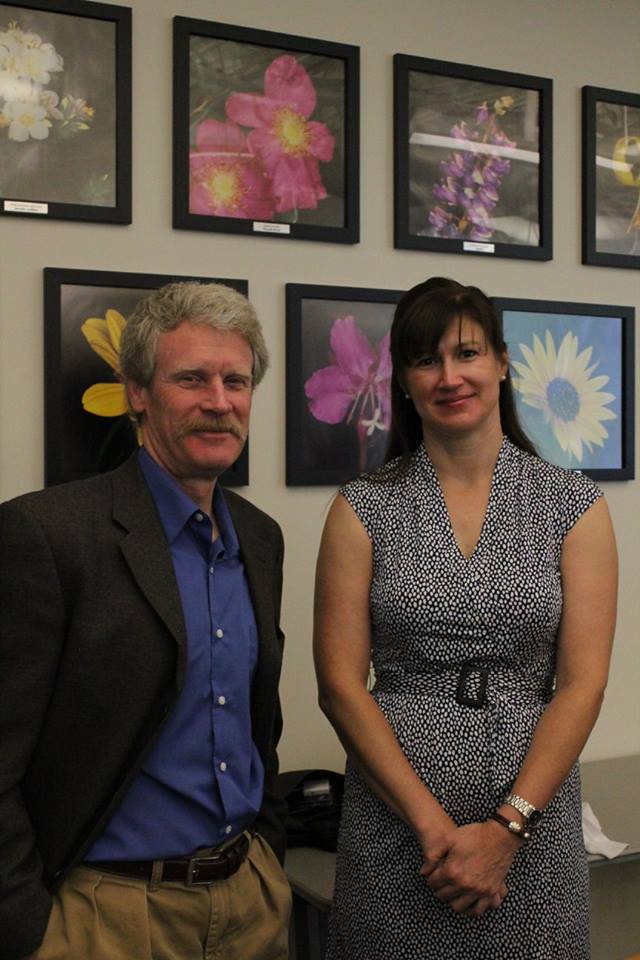
Drs. Rick Forster and Andrea Brunelle. Photo credit: Annette Barrett, University of Utah.

Drs. Rick Forster, Associate Dean for Research in the College of Social and Behavioral Science, and Andrea Brunelle, Geography Chair, presented on the University of Utah’s new interdisciplinary faculty cluster, an effort to focus research and use a multifaceted approach to addressing challenges related to society, water, and climate. The new faculty cluster includes an ecohydrologist, an air quality scientist and a glaciologist. The addition of a social or behavioral scientist is forthcoming. “This transformative cluster connects research on hydrology, air quality, climate change, societal response, and policy, seeking to meld multiple scientific perspectives to lead society towards sustainable water solutions in a changing world.” (Society, Water, and Climate)

12065722_10153048418316363_4935383951724763899_n

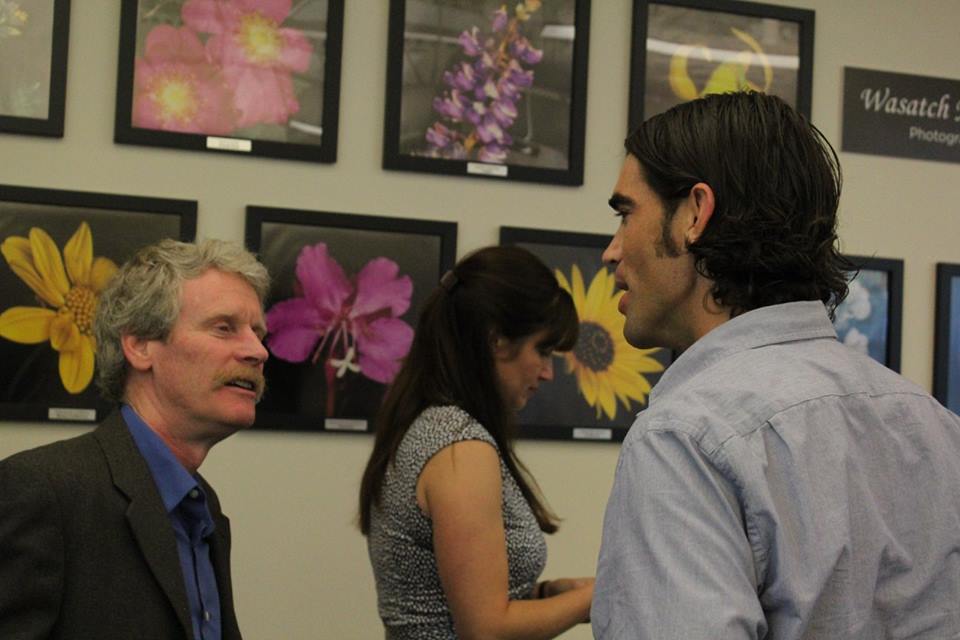
Dr. Rick Forster and Tyler Poulson, SLCgreen Photo credit: Annette Barrett, University of Utah.

Drs. Rick Forster and Andrea Brunelle also shared experiences and some great photos from their own field-based research.  Dr. Forster studies glaciers and seasonal snow cover response to climate change. He showed some incredible footage of dripping water, despite air temperatures well below freezing, found when ice cores were lifted to the surface at a research site in Greenland.  The water had come from a perennial aquifer under Greenland’s Ice Sheet.

“Climate change will bring increased temperatures combined with likely increases in the severity, frequency, and duration of weather extremes, such as droughts and floods. Changes in water availability due to climate change will be further complicated by use of water for agriculture, changes in land use, and population growth. In many regions of the world, issues centered on climate change and water availability will profoundly shape society in the next century. Addressing these issues requires a focused, transdisciplinary effort from scientists with expertise in society, water and climate.” (The Theoretical Framework of the Society, Water and Climate Research Cluster)

This collaborative approach is an important piece in finding sustainable solutions to issues of society, water, and climate in the future.

Mayor Becker Discusses Air Quality, Energy and Water

ralph-becker-300x167

Salt Lake City Mayor Ralph Becker talks with P3 Utah in a recent podcast.

“Ralph Becker, Mayor of Salt Lake City, Utah,  visits with Steve Klass of P3 Utah about his work developing a world class livable city. Mayor Becker explains his accomplishments in terms of focus on air quality, setting net zero energy efficiency standards for buildings and watershed and recreation protection as part of the recently adopted Mountain Accord.

He explains the roles of local government, state and federal government in carrying out sustainability initiatives.  He explains the challenges he is leading the City to meet in continuing progress and expresses a desire for greater public engagement.  He says that there are trade-offs and learning at a community level necessary to live differently in order to truly make our metropolitan area more sustainable and adapt successfully to climate change. Listen and be inspired!”

Listen to the podcast here.

Trailblazers of Clean Energy Speaker Series

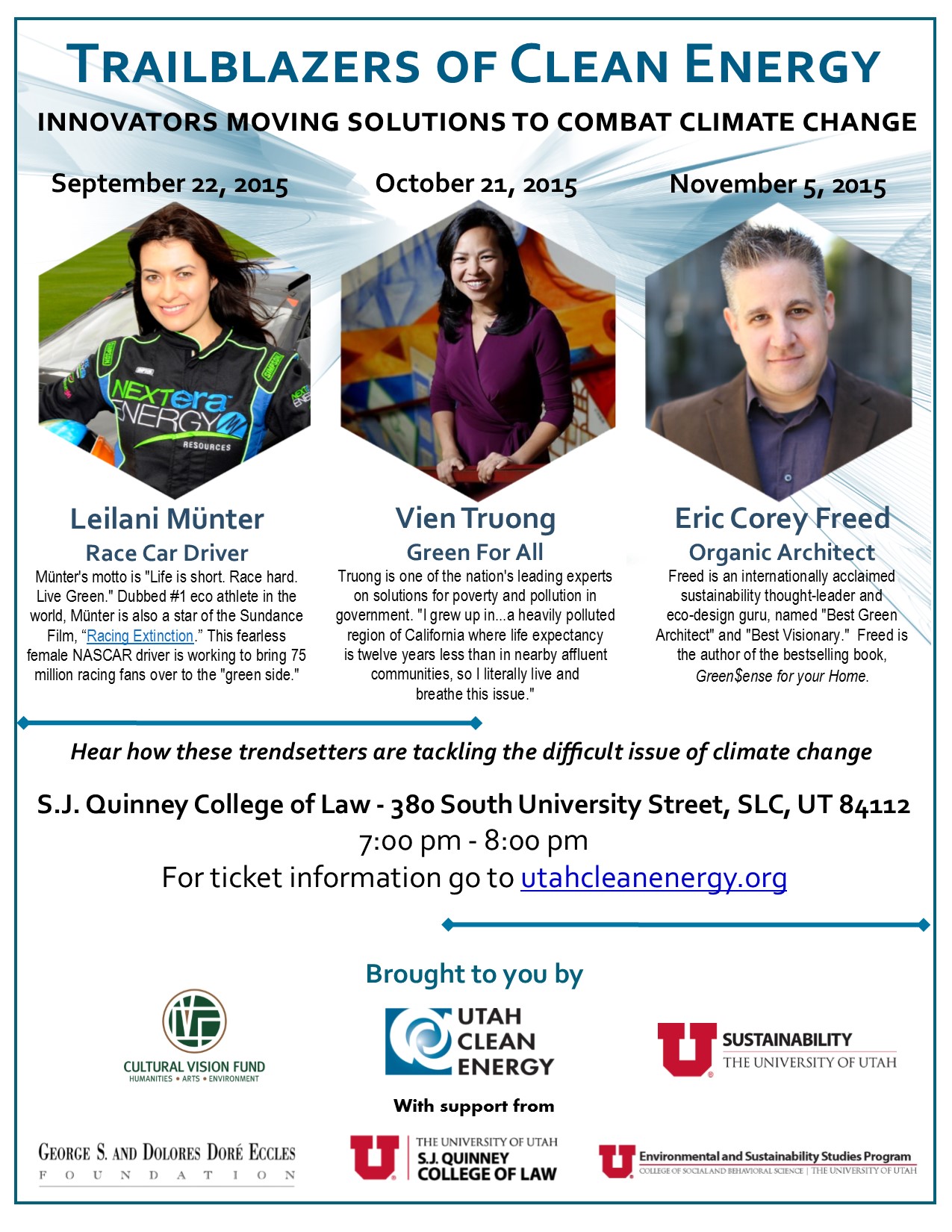
Trailblazers Invitation_Short Version FinalThis fall, Utah Clean Energy and the University of Utah’s Sustainability Office are hosting a first-of-its kind lecture series featuring three climate change innovators. Hear these national experts speak about their outside-the-box approaches to combat climate change and shape a positive future for the world.
Race car driver and Sundance film star, Leilani Münter, will kick off the series on September 22nd at the S.J. Quinney College of Law. When you think race car driving, you usually don’t think environmental activist – unless it’s Leilani Münter.  Learn how this fearless female NASCAR driver wants to bring 75 million racing fans over to the “green side.”  Her motto is “Live is short. Race hard. Live green.”

The award-winning national director of Green For All, Vien Truong, will speak on October 21st. Truong is one of the nation’s foremost experts fighting for climate justice in low-income communities. Hear from Troung on how we can safeguard the most vulnerable from the worst impacts of climate change.

Bestselling author of Green Sense for Your Home and founder of organicARCHITECT, Eric Corey Freed, will speak on November 5th.  Freed promotes both an organic and ecological approach to design and is considered a pioneer in the tradition of Organic Architecture.

Sign up for this three part lecture series on innovative solutions to our world’s most pressing challenges.  Tickets are $5 per event and free for University of Utah students (registration required).