
Tag Archives: air quality

Green Holiday Guide

Adobe Spark (8)

SLCgreen’s “Green Holiday Guide.” It’s snow bunny approved.


During the holiday rush, sustainability may not be the first thing on your mind. Fortunately, there are a number of measures you can take to ensure your festivities are more eco-friendly and sustainable.

We’ve compiled these actions into a convenient Green Holiday Guide. No matter how you celebrate, we at SLCgreen hope you find this information helpful and wish you the best of times and a very happy New Year!

Christmas Trees

One great option for your home Christmas tree is a live native potted tree. When you’re done with it, plant it after the holidays or let it live on as a house plant. As an added bonus, a live tree will absorb carbon dioxide and breathe out oxygen for cleaner air.

Check with your local nursery or garden center for advice on the best type of tree, depending if you are planning to replant or keep it inside.  If you can, hold off and plant it in late March or early April. This will increase the tree’s chance of surviving long term.

If you go for a cut tree, use the compost bin to dispose of it after the holidays. Make sure to cut it up so it fits in the bin and remove any tinsel or non-organic decorations (Just be sure to dispose of it before the wintertime suspension of compost bin collection, beginning the week of January 22, 2018).

If you can’t cut up your tree for the compost bin, no problem. Leave it curbside and we’ll be by during the month of January to collect it.

No matter what you do, do not burn your tree. Burning anything during the winter is horrible for our air quality (Burning during “air action” days is also against State regulation and violates Salt Lake County Health Department rules).

Energy efficiency

When stringing up lights this season, think “less is more.” For the lights you do put up, go for LED lights, which are 80-95% more efficient than traditional bulbs and will last longer. (This is a good reminder to switch out any other traditional light bulbs you may have in your home for LEDs too!)

Y_Christmas_Tree_2

LED lights look great on me!

Make sure you have your lights on a timer so they only are on when you want them to be. Some LED Christmas lights are even solar powered! Continue reading

Inversion Season is Here — Here’s What You Can Do

Be-a-Clean-Air-Champion--Final


We’re getting into dirty air season. Our first big inversion is starting this week and is expected to last awhile.

What this means is that a high pressure system is setting up, trapping cold air on the valley floors– and with it all the pollution we collectively emit. Pollution doubles every day during inversions— and it can get yucky.

Salt Lake City is committed to reducing emissions and helping our community breathe easier.

But we need your help. 

A significant source of pollution comes from our cars (roughly 50%), as well as our homes and buildings (roughly 35%). That means each of us can make a difference to our air quality.

This winter, the SLC Sustainability Department will be pushing out regular air quality tips and reminders.

Please join us! Follow along on social media and right here on our blog.  We also encourage you to join our email list to have tips delivered right to your inbox.

Share, repost, and demonstrate your commitment to clearing the air.

The top three things you can do this winter are listed in the graphic above. Click here for more information.

  1. Drive Less— aim to increase your #CarFreeDays to have the most impact. Make use of the Hive Pass if you live in Salt Lake City.
  2. Be Idle Free
  3. Skip the wood burning

Continue reading

How’s the Air Quality at Your Home?

During the winter, when high pressure rolls in, pollution builds up.

Specifically pollution called PM2.5 which are tiny particles that actually obscure our view of the mountains and even of neighboring buildings on bad days.

The Division of Air Quality operates monitors at several locations across the Wasatch Front, but pollution concentrations can vary depending on where exactly you’re located. Contributing factors include:

  • Do you live next to a road?
  • Do you have a neighbor who frequently fires up their meat smoker or burns wood?
  • Is there a nearby restaurant or small business that releases precursor pollutants?
  • On top of all those factors– what is happening with the particular mix of geography and weather at your location?

Air quality science is complex.

But gaining a better understanding of pollution nuances across the valley can help policy makers make better decisions, and can help residents better protect themselves. Continue reading

“Live Electric” EV & E-Bike Discounts Through Sept. 30

086218b2ac4369b7cefd2acbee0be8b1_XL

Do you hate bad air days? We do too. Luckily, there are more and more options for cleaner transportation in Salt Lake City from Ride With Hive to the Live Electric EV & E-Bike discount program, a deal worth looking into if you have ever considered purchasing an electric vehicle.

Continue reading

Salt Lake City Passes Ordinance to Reduce Air Pollution from Buildings by Improving Energy Use

FOR IMMEDIATE RELEASE

August 30, 2017

Buildings SLC

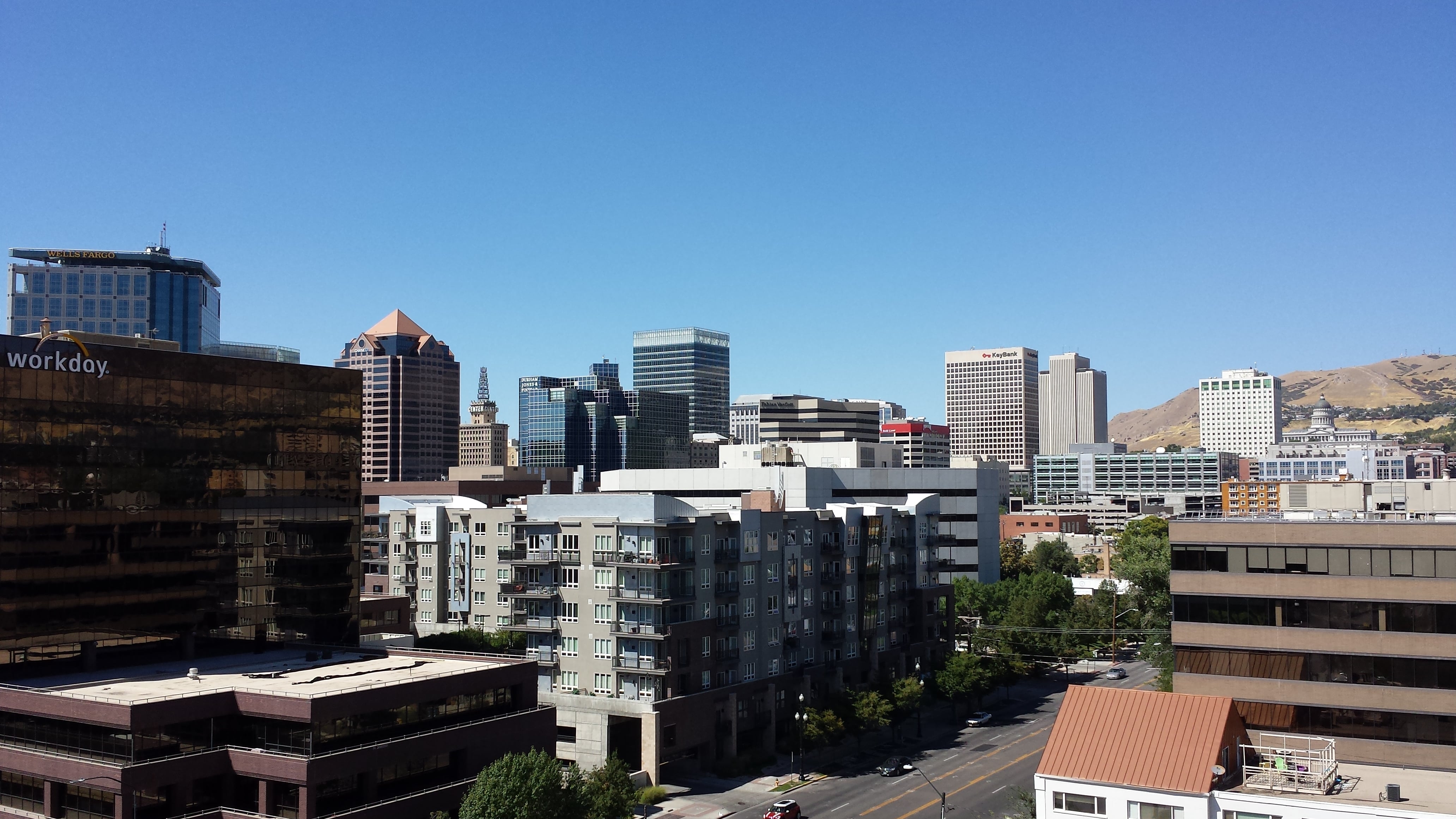
Salt Lake City buildings. photo by Peter Nelson

At their August 29, 2017 Public Hearing, the Salt Lake City Council passed an ordinance proposed by Mayor Jackie Biskupski and the Sustainability Department aimed at cutting energy costs, improving local air quality, and reducing the city’s carbon footprint.

With one dissenting vote, the Council approved the “Energy Benchmarking & Transparency Ordinance,” which is projected to save local buildings owners $15.8 million in annual energy costs and eliminate over 29 tons of criteria pollutants from Salt Lake City’s air each year.

The market-based ordinance works by phasing-in new requirements for buildings over 25,000 square feet to “benchmark” or measure their energy usage annually.

“This ordinance has been in the works for over a year,” said Mayor Biskupski. “Over that time, it’s been a case study in collaborative policy making and I want to thank all the stakeholders involved. I’m proud that we ended up with a policy that will help clear the air, save building owners’ money, improve transparency, and reduce Salt Lake City’s carbon footprint.” Continue reading

How to Improve Summertime Air Quality

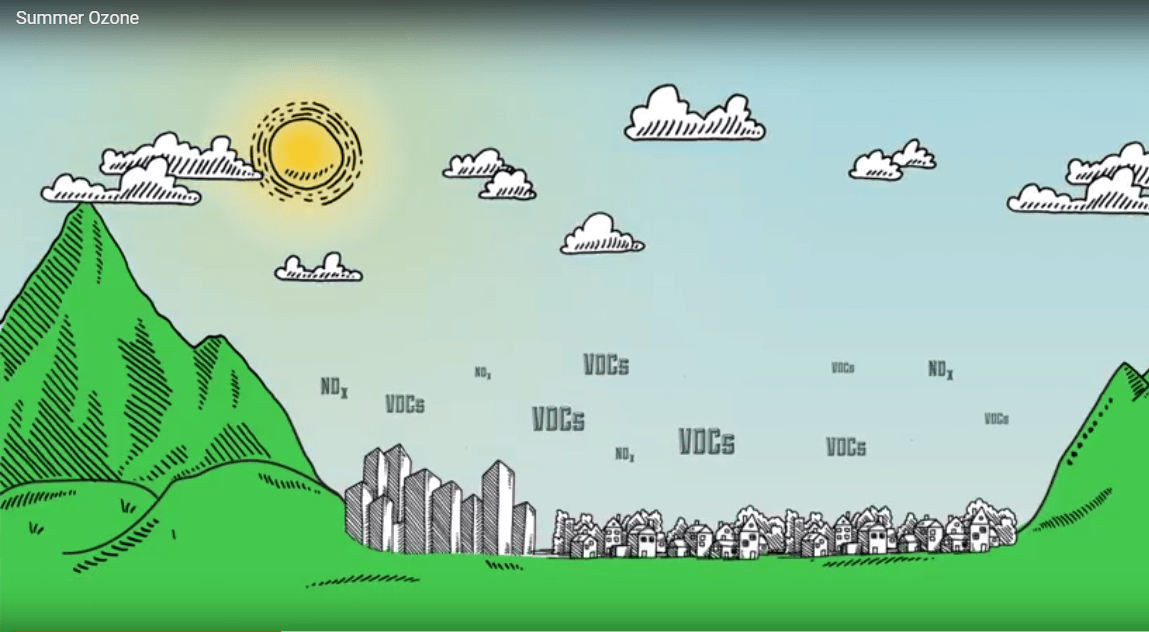
Summer Ozone

Courtesy of www.ucair.org

Many of us associate bad air– yucky inversions and hazy gunk– with winter in the Salt Lake area. But did you know that we have bad air days in the summer too?

While it’s mostly invisible, ozone is just as harmful as particulate matter for the very young, very old, those with health conditions, and people who exercise outdoors.

Ozone is caused by emissions from vehicles, industry, and a multitude of chemical products which interact with sunlight and high temperatures.

So how can we reduce ozone?  Continue reading

U Drive Program Puts 127 New Electric Vehicles on the Road

You may remember how excited we were to collaborate with Utah Clean Energy and the University of Utah on the second round of U Drive Electric this fall.

The goal: Get more EV’s on the road to promote cleaner air.

The how: By spreading the word about the limited-time bulk discounts available through the University of Utah’s innovative program.

Over the course of September and October, we worked with the U. and Utah Clean Energy to speak with hundreds of people about what “going electric” really means– including how cost-effective owning an electric vehicle is.

Now that this round has wrapped up, we’re excited to announce that 127 electric vehicles were purchased through U Drive Electric II!

When combined with Round I there are now over 200 new electric vehicles on the road thanks to U Drive Electric. These new EV owners have taken an important step towards improving air quality along the Wasatch Front.

  • Electric vehicles produce up to 99% less of the criteria air pollutants that cause bad air quality. With winter inversion season upon us it’s easy to see the importance of driving electric.
  • Furthermore, the EVs purchased through U Drive Electric will significantly reduce green house gas emissions. The carbon dioxide avoided over the next five years is equivalent to not burning nearly 2 million pounds of coal, or 200,000 gallons of gasoline.
  • Put another way, this is like switching 63,000 incandescent bulbs to LEDs, or the equivalent amount of carbon sequestered by 1,700 acres of forest in one year. 
untitled-design-3

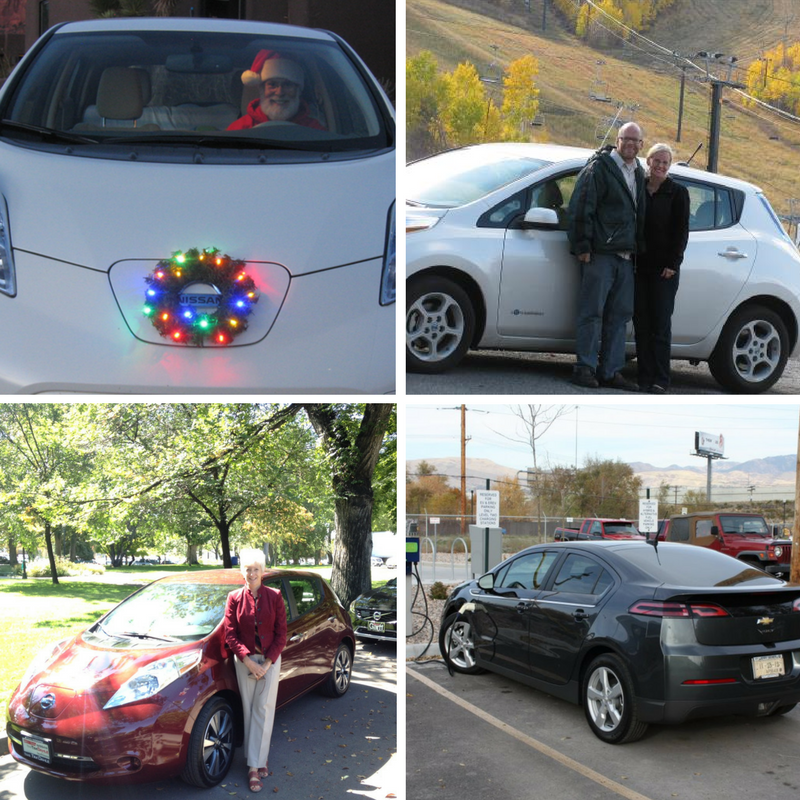
Testimonials from U Drive Electric participants can be found at utahev.org

Continue reading

U Drive Electric Extended through November 30th

14917170_10154521078255056_2548304428986030709_o

Our winter time inversion season is here, but this year Utah will have more clean, electric cars on the road that are helping to improve our air quality through the U Drive Electric program. The University of Utah’s U Drive Electric program has facilitated the sale of 92 electric and plug-in-hybrid cars in the last six weeks. Due to the popularity of the program, U Drive Electric has been extended through Nov. 30, 2016. The program is offered through a collaboration between the university, Salt Lake City and Utah Clean Energy.

Continue reading

Salt Lake City Community Members Launch U Drive Electric


In a joint press conference, the University of Utah and Salt Lake City today announced the launch of an electric vehicle purchase program extending discounts on multiple makes and models of vehicles. The second round of U Drive Electric offers U community members and Salt Lake City community members the opportunity to purchase or lease electric and plug-in-hybrid vehicles at discounted prices through Oct. 31, 2016.

This joint program is aimed at improving air quality and community health both today and for future generations. With almost 50 percent of Utah’s urban air pollution coming from tailpipe emissions, electric vehicles represent an important tool for improving air quality along the Wasatch Front.
Continue reading

Help Salt Lake City Chart a Path Toward Cleaner Air

Building-Segments-Graphic-update

The American Lung Association just released their 2016 State of the Air report which compares the air quality in cities across the nation. Unfortunately the report shows that the Salt Lake City area has moved from #7 to #6 on the list of “most polluted” cities. That’s bad news!

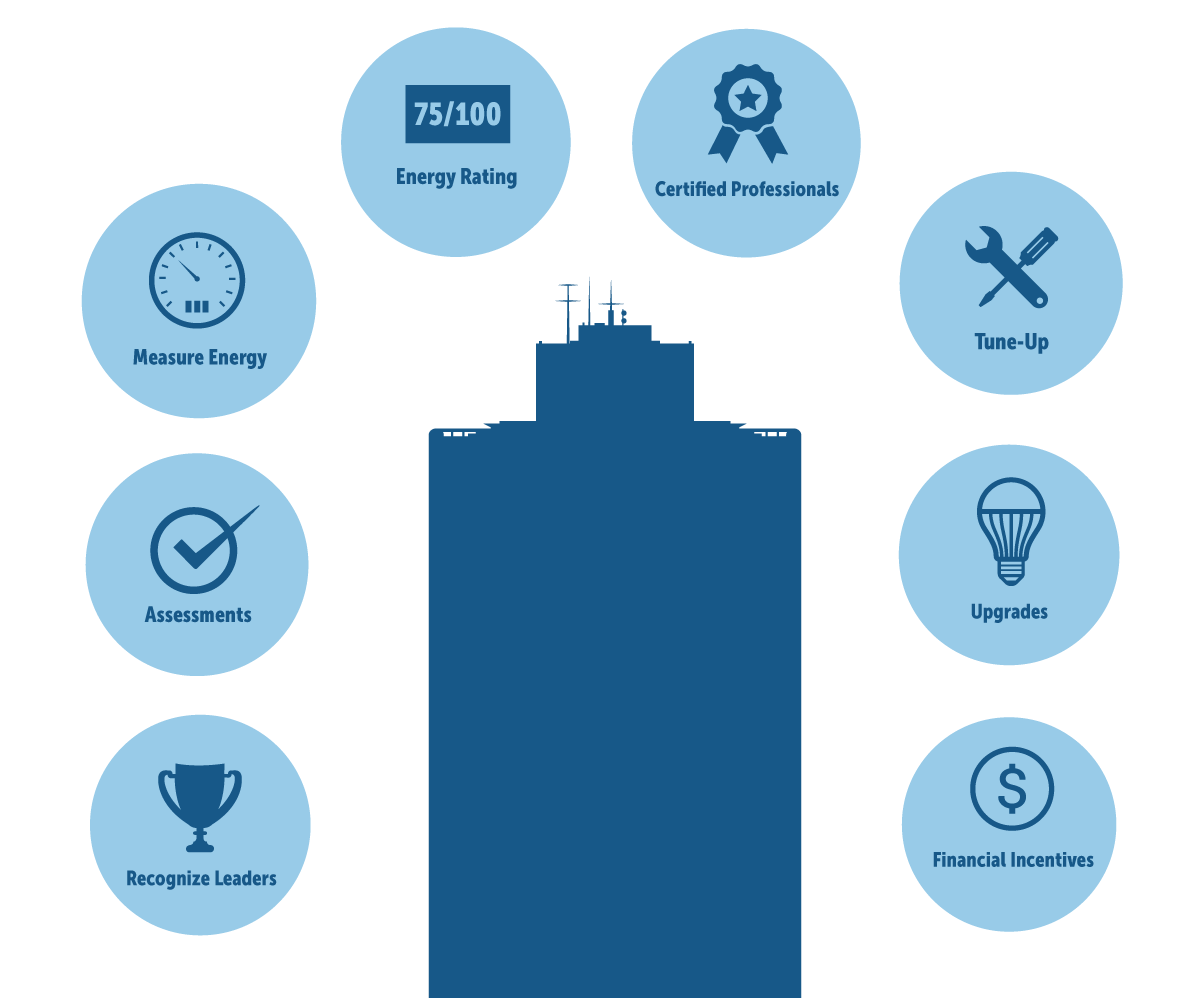
Poor air quality is now recognized as an urgent public health and economic development issue, which threatens continued growth of local businesses and relocation of residents and businesses to the City. In addition to being energy efficient in our homes, improving energy efficiency in our big buildings plays an important role in contributing to cleaner air.

The good news is that making our buildings more efficient is a key strategy to help reduce local air pollution and carbon emissions that contribute to climate change. Building efficiency investments also save money by reducing utility costs, keeping money in our local economy. As Utah’s Capitol City, Salt Lake City is committed to leading by example by implementing building efficiency best practices in our municipal facilities. Salt Lake City municipal departments regularly evaluate and implement energy-saving best practices in all major City facilities.

Salt Lake City wants input from residents and local businesses about what kind of new programs and policies the City should pursue to help reduce the pollution that stems from commercial buildings across the City. On Open City Hall we’ve outlined some common best-practices for increasing energy efficiency in buildings. Learn more and share your feedback here! Let’s clean up our air together!

Visit Open City Hall