Solving Climate Change with Clean Energy: A Special Event on Thursday, February 4

Solving Climate Change Banner (1)

Tackling climate change requires fresh perspectives, diverse collaborations and a profound transition to cleaner energy sources.

Join us on Thursday, February 4th to explore these themes and what they mean for Utah. We’ll be joined by two prominent local leaders, Sarah Wright and Matt Pacenza, who will share their insights on clean energy and climate solutions.

We’ll start the evening with a 60-minute screening of Episode 6 of the Emmy-award winning series Years of Living Dangerously. This will be followed by a 30-minute panel with our local experts. Episode 6 of the series focuses on methane leaks from natural gas operations, lobbying forces in America and home-grown renewable energy solutions.

RSVP to the Facebook event!

Watch the trailer:

Speaker Bios

Sarah Wright is the founder and Executive Director of Utah Clean Energy, a non-profit partnering to build the new clean energy economy in Utah for the past 15 years. She leads a team that collaborates with government, private sector and other community partners to stop energy waste while simultaneously building a smarter energy future.

Sarah is an intervener in regulatory proceedings and an expert witness in legislative hearings, testifying in support of energy efficiency and renewable energy. Sarah has a Bachelor’s Degree in Geology from Bradley University and a Master’s in Public Health from the University of Utah.

Matt Pacenza joined HEAL Utah five years ago and began serving as Executive Director in 2015. HEAL is a non-profit that promotes renewable energy and advocates for enhanced public health while opposing toxic harms to the environment.

Matt has managed HEAL’s policy agenda on nuclear waste, energy and clean air issues and now leads the organization’s staff, program and budgets. Matt has a Bachelor’s Degree in Environmental Policy from Cornell University and a Master’s Degree in Journalism from New York University. From the east coast, he now happily calls “Sugarhood” his home.
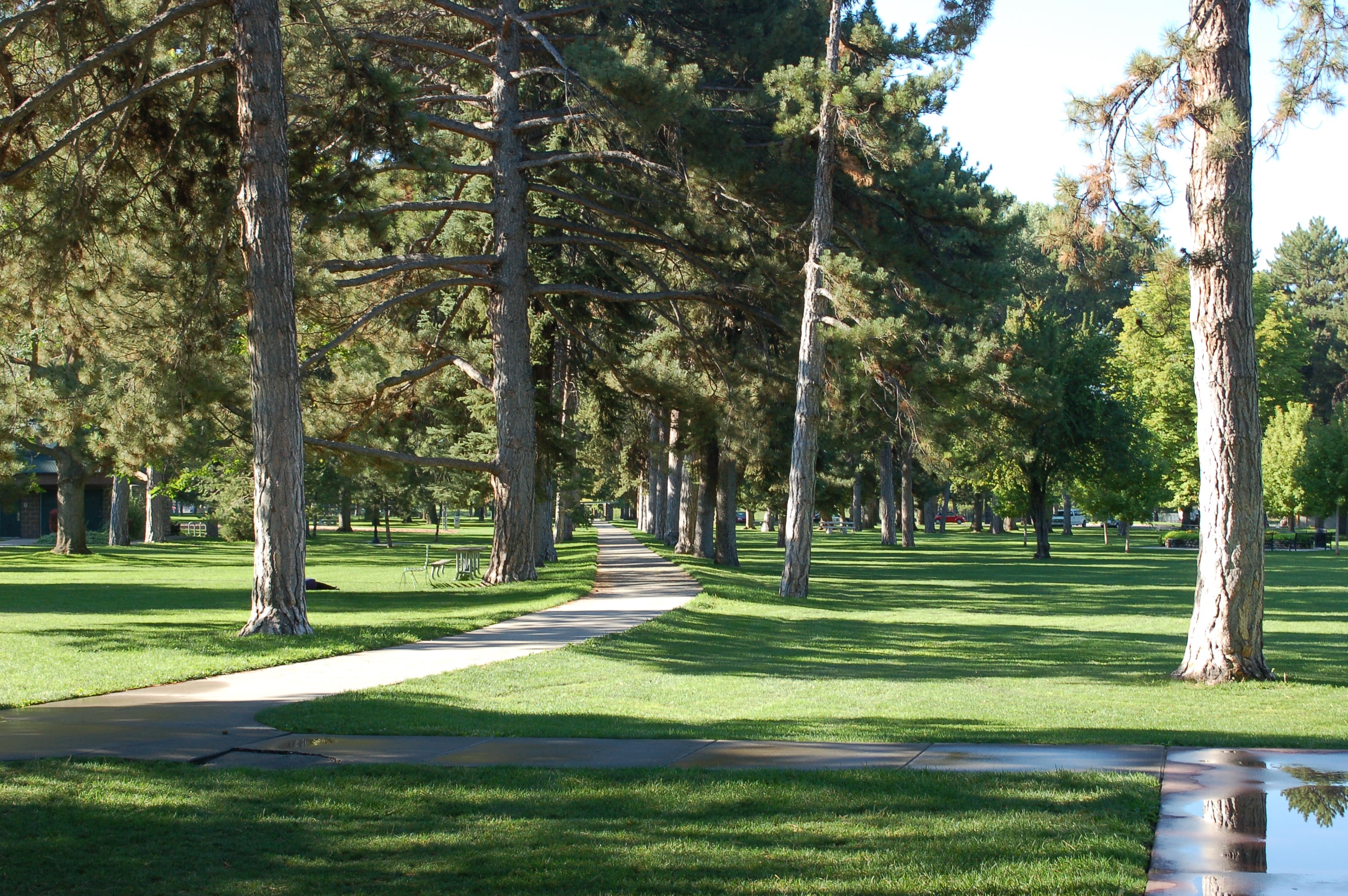
Online reservations for Salt Lake City park pavilions begins February 1

030

The Salt Lake City Parks & Public Lands Division will begin taking 2016 online park pavilion reservations on Monday, February 1, 2016 beginning at 8 a.m. at: www.slcgov.com/cityparks-reservations

Telephone reservations can be made starting Tuesday, February 16, 2016 at 8:30 a.m. by calling 801-972-7860. Walk-in reservations can also be made at the Parks & Public Lands Division Building, 1965 West 500 South. Phone and walk-in reservations can be made Monday through Friday from 8:30 a.m. to 4:30 p.m. through October 7.

Online reservations start two weeks before phone and walk-in as a convenience and are highly encouraged. The online process saves wait time in long lines, particularly for reserving the city’s more popular pavilions such as Liberty, Sunnyside, and Washington parks.

Park pavilions available for reservation are in Fairmont, Jordan, Liberty, Lindsey Gardens, Poplar Grove, Riverside, Sherwood, Sunnyside, Washington and Westpointe parks. Pavilions are available from April 11 through October 9. All reservations must be paid for at time of transaction by debit or credit card (VISA, MasterCard, Discover or American Express). Costs range from $44 to $55, with the lower reflected reservation prices for Salt Lake City residents. The exception is Washington Park in Parley’s Canyon, which is available for half-days from $82 to $110.

Residents can get even more from their park experience by renting recreation kits through the Parks & Public Lands Division. A kit includes two softballs, two baseball bats, a volleyball and volleyball net, a set of horseshoes, a football and a soccer ball. Kits can be picked up the day before or day of the pavilion reservation for $11 each. Kits are available only to those who have reserved pavilions and must be returned to Parks & Public Lands on the first business day after the reservation.

Questions? Call Parks & Public Lands Division before February 1 at (801) 972-7800.

Waste Less, Save More! SLCgreen Encourages You To Downsize Your Garbage

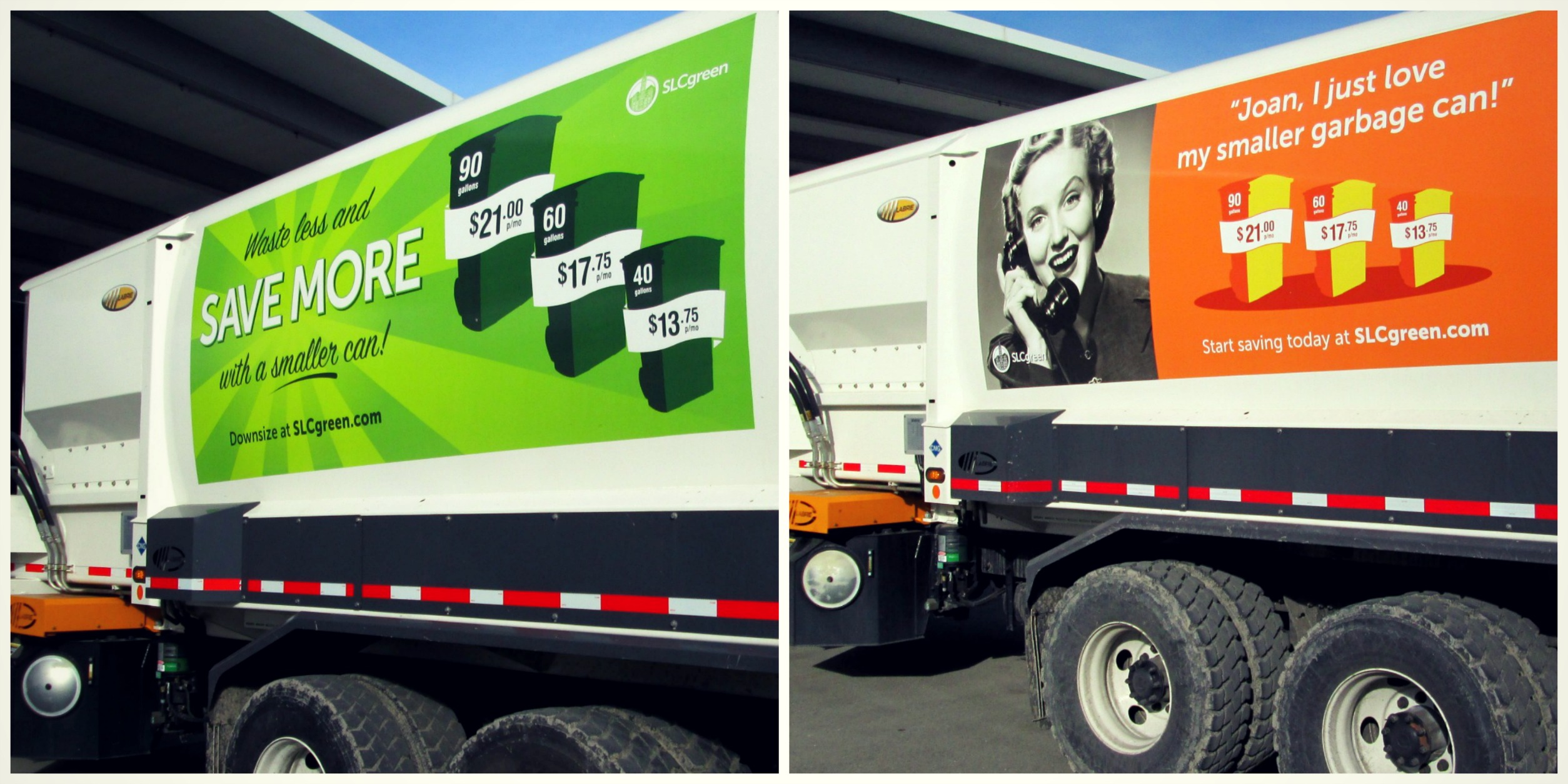
Truck Wraps Collage

Have you noticed the new truck wraps driving around Salt Lake City?

We’ve outfitted all of our Sanitation vehicles with bright new wrappers promoting downsizing options available to all city residents. So keep your eyes open on garbage day!

Every month, you pay one fee for your garbage can – that’s it. Your recycling and compost can service is included in that fee. There are three garbage can sizes, and if you downsize your can you also downsize your monthly waste fee!

Can Size Monthly Fee per Can
90-gallon Garbage $21.00
60-gallon Garbage $17.75
40-gallon Garbage $13.75

Call (801) 535-6999 to downsize your garbage can today.

Sustainability Highlights from Mayor Biskupski’s State of the City Address

12472697_783363095125815_4586268366196044356_n.jpg

On Tuesday, January 26, 2016, Mayor Jackie Biskupski delivered her first State of the City Address, which featured many important sustainability initiatives. Here are some of the the highlights:

As I have said before, there is nothing more important than the air we breathe. And working to clear our skies is a top priority of my administration.

At the city level, I will begin by taking steps to create a new Department of Sustainability with air quality as its primary goal.

This elevation from a division to a department, Sustainability on equal footing–both real and perceived–with every other function of city government. Vicki Bennett, who currently runs the Division of Sustainability will be a core member of my cabinet and have the full backing of this office to grow and implement programs and policies across Salt Lake City.

Today, there is proposed state legislation that would update Utah’s building codes. This is a first critical step in helping to reduce the second highest contributor to air pollution, our homes and buildings. These codes have not been updated in years. Failure to act this session will allow the cause of up to 30% of our air pollution to go unchecked for years.

Our policy team, led by our Deputy Chief of Staff, David Litvack and Lynn Pace, will lead the lobbying effort to secure support from our state legislators to take this simple action this year. And I will continue to reach out to my fellow elected officials, business and industry to join us in this effort. Our poor air quality is a health crisis and will become a major impediment in Utah’s economy if we do not work collaboratively to make a real difference today.

We have another key opportunity before us with the contract we negotiate every 20 years with an energy provider for this city. This agreement is up for renewal this month. I understand the negotiations were slowed due to the election and both parties were waiting to proceed in the direction of a new administration.

Let me be clear, I stand shoulder to shoulder with the previous administration. Salt Lake City’s request for a commitment from our energy provider to increase the use of renewable energy is achievable and sound policy to combat the effects of climate change.

We have set a goal–in line with the values of city residents — to have at least 50% of our municipal energy needs met by renewables such as solar, wind, and geothermal sources by 2020. And I commit to go further. Salt Lake City will join our neighbors in Park City and pledge to make our city’s utility sources carbon free by 2032.

We are all in this together and we will work with our energy provider to find ways to achieve these goals.

And being in this together means, we all must do our part.

I’m a working mom, I get it, sometimes what we are being asked to do simply won’t work with the demands of our lives. But, for the sake of our children, we can drive in a cold car for 5 minutes rather than let it warm up in our driveways.

We have a current ordinance requiring drivers to limit idling to 2 minutes. Frankly, if you’re parked, you shouldn’t be idling at all. Last month the police department discovered 600 unattended, idling vehicles in one 2.5 hour span. These vehicles were spewing pollution into our skies, not to mention putting children, who were left inside of them, at great risk of kidnapping and every vehicle at risk of theft.

To read the full text of the address, visit the Mayor’s website.

U.S. Green Building Council Announces Utah is 10th State in the Nation for LEED Green Building

Today, the U.S. Green Building Council (USGBC) released its national ranking of the top states in the country for LEED green building and Utah is the 10th state in the nation for 2015. The rankings come at an important time for states looking to reduce their energy use. LEED-certified spaces use less energy and water resources, save money for families, businesses and taxpayers, reduce carbon emissions and create a healthier environment for residents, workers and the larger community.

“Utah is a nationwide leader in green building and LEED certification. LEED creates jobs and increases opportunities for Utah’s workers and businesses while contributing billions of dollars to the state’s economy,” said Rick Fedrizzi, CEO and founding chair of USGBC. “LEED has become an essential standard for the transformation of building design and construction. LEED certified buildings drive economic growth, creates jobs and makes communities healthier.”

The annual ranking is developed by analyzing each state in terms of square feet of LEED certified space per state resident. Now in its sixth year, the list highlights states throughout the country that made significant strides in sustainable building design, construction and transformation throughout 2015. Utah certified 31 projects representing 4,494,301 square feet of real estate, or 1.63 square feet per resident, in 2015.

“We are thrilled to have Utah businesses and institutions recognized in this way for the first time,” said Daniel Pacheco, executive director, USGBC-Utah Chapter. “This achievement affirms not only USGBC Utah’s mantra that where you live, learn, work and worship matters, but also that partners are taking sustainable concepts to heart as we develop healthy buildings for everyone in Utah.”

In addition, data from USGBC’s 2015 Green Building Economic Impact Study show LEED construction is expected to support 23,000 total jobs in Utah and have a total impact on GDP of $1.97 billion from 2015-2018.

A few notable projects that certified in Utah in 2015 include:

  • Salt Lake City Public Safety Building; LEED Platinum
  • S. District Courthouse, Salt Lake City; LEED Gold
  • University of Utah Football Center; LEED Silver
  • Ballet West; LEED Gold

The full ranking of the top 10 states for 2015 includes:

Rank State Projects certified in 2015 Square feet LEED certified in 2015 Per-capita square footage
1 Illinois 161 43,979,595 3.43
2 Maryland 127 17,659,881 3.06
3 Massachusetts 112 19,850,624 3.03
4 Washington 101 17,450,321 2.60
5 Colorado 95 12,218,992 2.43
6 Nevada 30 6,534,960 2.42
7 California 618 87,358,563 2.34
8 Texas 237 52,445,321 2.09
9 Virginia 121 13,005,968 1.63
10 Utah 31 4,494,301 1.63
* Washington, D.C. 84 11,612,237 19.30

*Washington, D.C., is not ranked as it is a federal district, not a state.

Collectively, 1,633 commercial and institutional projects became LEED certified within the Top 10 States in 2015, representing 274.9 million square feet of real estate. Worldwide, 4,837 projects were certified in 2015, representing 818.9 million square feet. Nearly 75,000 projects representing 14.4 billion square feet of space have been LEED-certified to date.

USGBC calculates the list using per-capita figures as a measure of the human element of green building. This also allows for fair comparisons among states with significant differences in population and number of buildings.

Annual Urban and Small Farms Conference Feb. 17-18

UrbanSmallFarm_Flyer

Registration is now open for the 4th Annual Urban and Small Farms Conference. The conference will take place February 17th and 18th at the Viridian Center (8030 S 1825 W, West Jordan).

Below is a general conference overview.
• Day 1, February 17th – Utah Berry Growers, Backyard Chickens and Aquaponics, Vegetable production, a beginning farmers workshop, and a workshop targeted toward refugee farmers.
• Day 2, February 18th – GAP workshop, tree fruit basics, USDA programs, Irrigation track, alternative production, Food Safety Modernization Act updates, and Food Hub discussion.

Early registration is $30 per day or $50 for both days. Lunch and breaks will be provided both days.

For more information and to register, visit www.diverseag.org. Please help to spread the word, and share with anyone that may be interested.

Salt Lake County To Lease Land for Urban Farming

DSC_0726

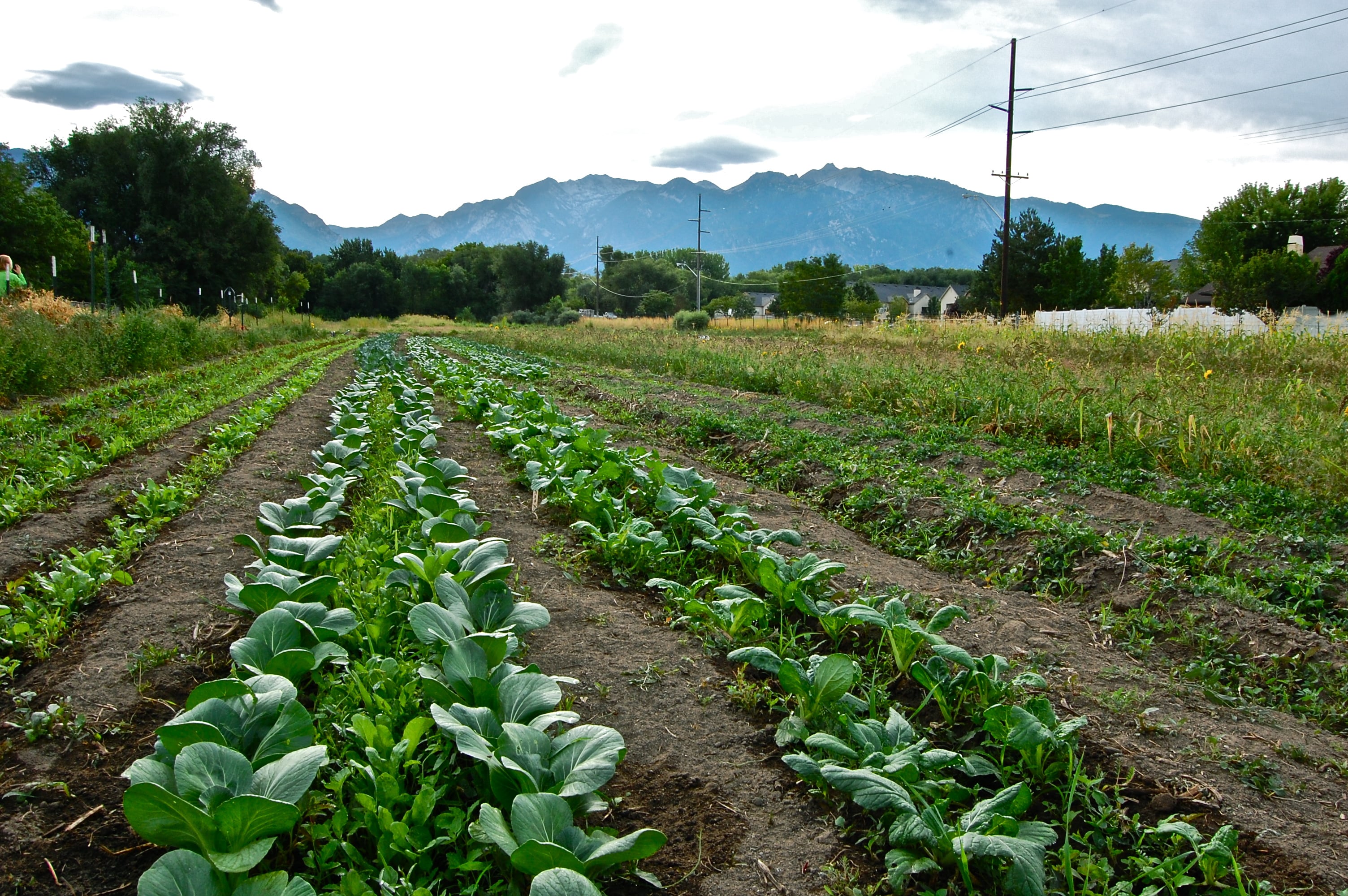
Salt Lake County’s Urban Farming program has just released a Request for Proposals (RFP) to lease three parcels of County land to local farmers (3-10 acres).

All three parcels are located in the Salt Lake Valley and come with canal water access. Farmers can bid on one or all of the parcels.

Sealed proposals must be logged, stamped and received before 2:00 p.m. on Tuesday, February 9, 2016 at Contracts & Procurement, 2001 South State Street, Room N4-600, Salt Lake City, Utah 84190-3100.

Explore the RFP.


Local Students Encourage Water Conservation

At SLCgreen, we strive to inform residents about the actions they can take every day to reduce their impact on the environment and have a positive impact on our community.

And we absolutely love it when we get a little help!

As a project for their 7th grade ELP Utah Studies class, West High School students McKenzie Shaffer-Kay and Ella Beck have created a website that focuses on the facts of water conservation in Utah. The website also highlights the actions people can take at home to reduce their water use, save money and preserve this value resource.

Nice work, McKenzie and Ella!

Check out UtahWaterConservation.weebly.com.

waterdroplet

The PSB goes platinum!


LEED PSBSalt Lake City Public Safety Building Achieves LEED Platinum Rating

SALT LAKE CITY –Mayor Ralph Becker gathered with Sustainability Director Vicki Bennett, Garth Shaw of GSBS Architects, David Hart of MOCA Systems and representatives from Salt Lake Police and Fire to celebrate the recent LEED Platinum designation for the Public Safety Building.

Platinum is the highest LEED certification available, making the Public Safety Building only the ninth building in the state to achieve this coveted rating.

“The LEED Platinum designation is the culmination of our efforts to design and build a state-of-the-art Public Safety Building that has become a model for other cities across the country,” says Mayor Ralph Becker. “The project showcases Salt Lake City’s leadership to reduce our carbon emissions while enhancing city services.”

In addition to achieving a LEED Platinum rating, the Salt Lake City Public Safety Building was designed to be net zero, meaning it generates as much energy as it consumes. To achieve net zero, the project employed energy efficient building practices, employee engagement on energy use, and renewable energy generation through rooftop solar and an offsite solar farm.

To learn more about the Public Safety Building, click here!

IMG_5054