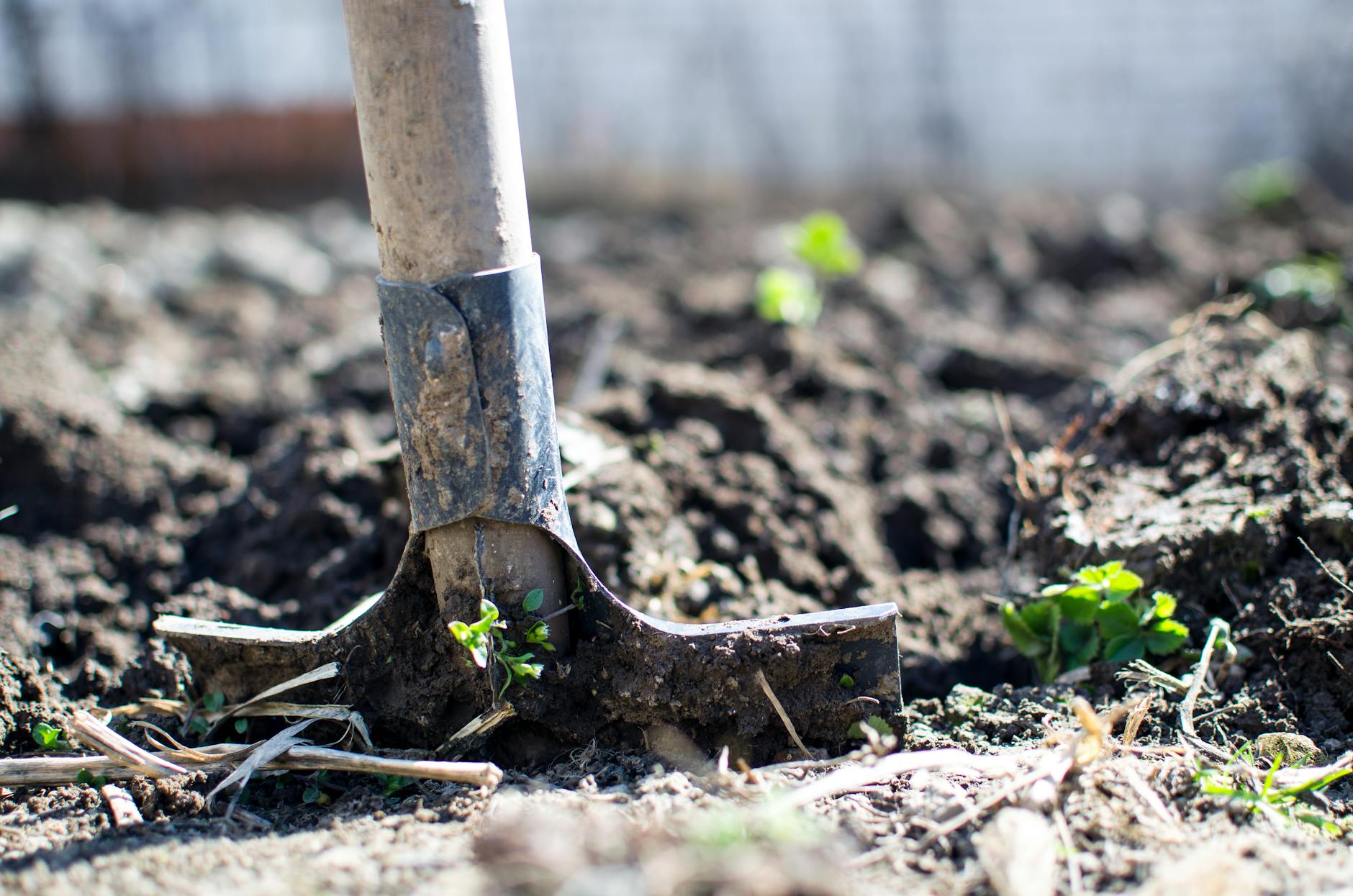
Myrtle Spurge is a Class 2 Noxious Weed that grows in large, scattered colonies throughout public lands in Salt Lake City, especially in the foothills. The plant reproduces in the spring, which is why we have to pull them now.
Join SLC’s Trails & Natural Lands Division on April 13 for the Annual Purge Your Spurge Event to help eradicate this weed!
Many of our local farmers are in business because they love it, but it’s a tough, physically-demanding job with tight financial margins.
Salt Lake City understands the value of healthy, local food as well as the benefit that farmers bring to our local community and economy.
That’s why, in 2017, Salt Lake City launched the Local Food Microgrant Program with Urban Food Connections of Utah, the non-profit organization that runs the Downtown Farmers Market, Rio Grande Winter Market, and Tuesday Harvest Market.
“We’re delighted to partner with Urban Food Connections of Utah to give farmers the critical boost they need to invest back in their operations!”
Mayor Biskupski
There have been three funding cycles so far (check out round 1,round 2, and round 3 recipients). We’re excited to allocate the latest $15,000 for a running total of $60,000 in microgrant funding to assist local, small-scale farmers who want to expand their operations with sustainability in mind. The microgrant fund is one of SLCgreen’s Local Food programs helping achieve our goal of increasing overall access to fresh, healthy food for all members of the SLC community.
Congratulations are in order for seven Utah farms!
Salt Lake City is excited to announce that a new Materials Recovery Facility (MRF) is coming to our city in 2020. It will process Salt Lake City’s residential recycling, along with other customers’ material from around the area.
Waste Management is currently the City’s contracted recycling vendor and processes roughly 750 tons per month of Salt Lake City recyclables at their facility in southern Salt Lake County.
This new, upgraded facility will allow the company to produce a cleaner end-product with higher value, increase diversion from the landfill, and support Salt Lake City’s overall recycling goals.
This is all the more important in an era when recycling markets are tightening; demand for cleaner material is paramount; and facilities, municipalities, and residents must adapt to new standards.
We’re also thrilled that the facility will be located in Salt Lake City limits, with the attendant economic development impacts, as well as the shorter travel times for our trucks.
See the below press release from Waste Management for more information.
Waste Management Announces
Plans to Expand Recycling Operations in Salt Lake City to Better Serve the
Community
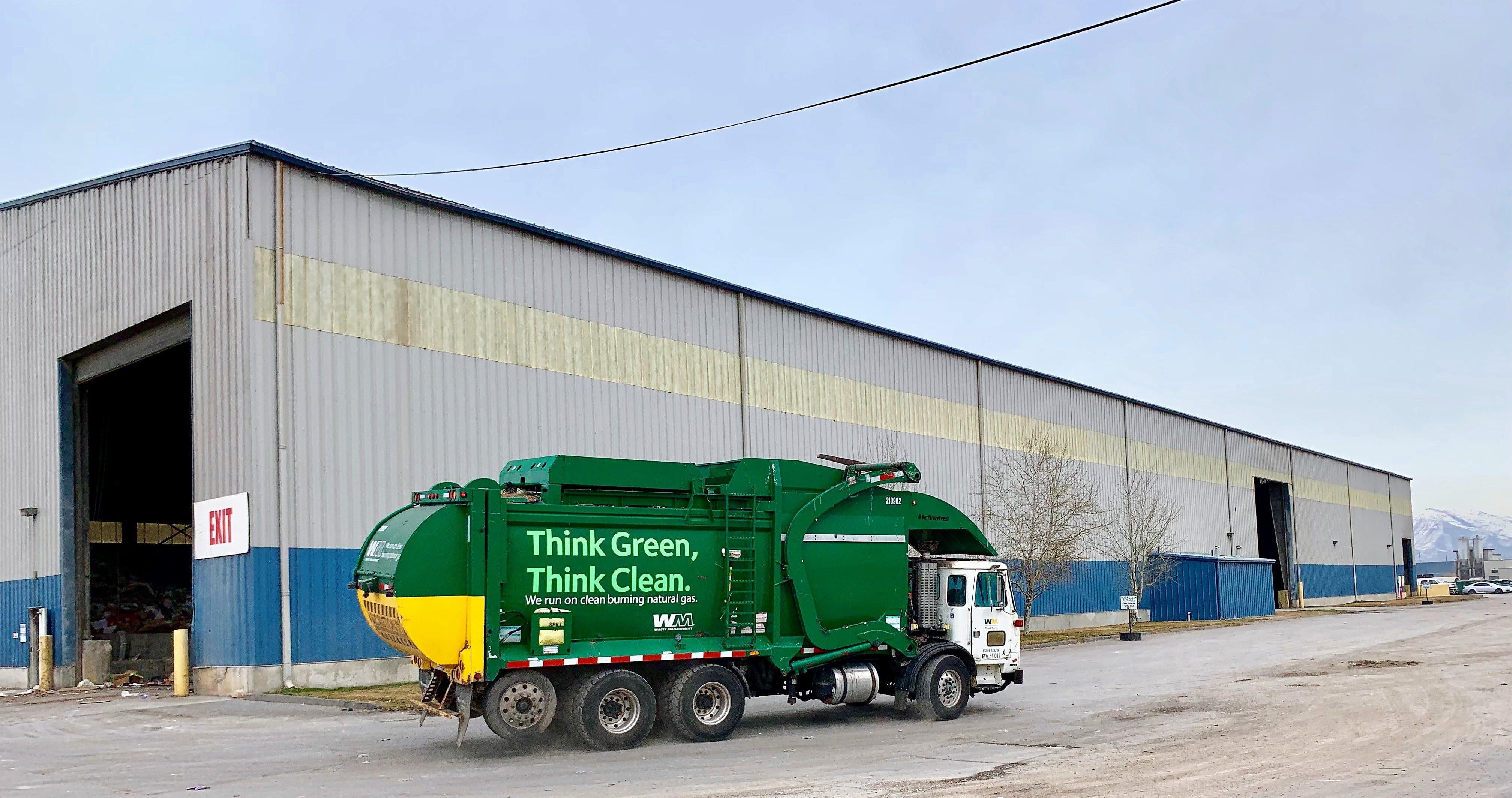
Waste Management’s current Transfer Station near the airport will soon be transformed into a state-of-the art Materials Recovery Facility that will process up to 700 tons of recycled materials per day. Photo courtesy of Waste Management.
SALT LAKE CITY, Utah — March 6, 2019 — Waste Management of Utah has announced plans to expand and improve its Salt Lake City recycling operations with the construction of a new, larger and technically-advanced Materials Recovery Facility (MRF). Building is expected to begin in the spring and the new MRF is slated to be fully operational by early 2020.
Sign up for Salt Lake City’s community program, “Master Recycler,” and learn the ins and outs of what to recycle and why it’s important. Apply by March 18! For more info, visit http://slcmasterrecycler.com/course_schedule/
Become a champion for reducing, reusing, and recycling in our community!
Are you interested in the ever-changing landscape of recycling?
Do you want to learn why composting is an integral part of waste diversion?
Or learn how to effectively promote recycling practices within your community?
Salt Lake City Green is excited to announce the spring 2019 Salt Lake City Master Recycler program! Register now at SLCMasterRecycler.com.
Applications will be accepted through March 18 (unless we fill up sooner).
This FREE programprovides in-depth education about recycling, composting, and solid waste management for Salt Lake City community members and professional sustainability practitioners.
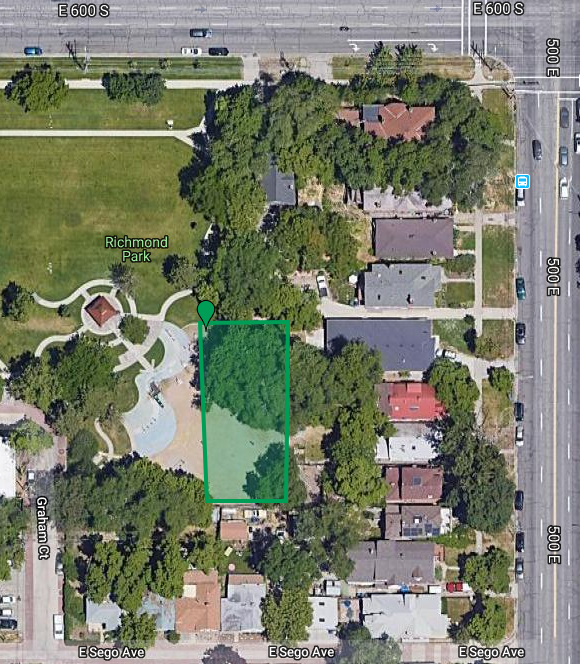
Come learn about the process a new community garden goes through to get approved. We’re also looking for your input what you would like included in the garden design. Finally, we’ll discuss potential impacts it could bring to the neighborhood.
Utah’s premiere sustainability summit is celebrating its 10th anniversary!
Over 400 sustainability professionals, engaged citizens, and emerging leaders will gather at Weber State University on March 21 and 22 for the 10th annual celebration of the Sustainability Summit. It’s also one of our favorite yearly events!
The Summit is hosted by Weber State University’s Sustainability Practices and Research Center (SPARC) and was created to increase sustainability practices by engaging students, sustainability professionals, and the general public in topics such as clean energy infrastructure, green buildings, urban water, and other sustainability topics.
Join us for the fun!
The Intermountain Sustainability Summit features two days of events, including the main Summit day on Thursday, March 21, and workshops on Friday, March 22.
Hear us out: You’ve heard that a big chunk– roughly 50 percent — of Salt Lake City’s winter air pollution comes from motor vehicles.
That’s why SLCgreen promotes cleaner transportation and getting out of our cars as much as possible, particularly during February and the Clear the Air Challenge.
But, we know that taking public transit, biking, or purchasing an electric vehicle is not practical for everyone – yet! However, there are some important ways to reduce pollution even when you do drive.
We all want to take better care of our health and live in a healthy world and by planning ahead we can help our city have fewer red air days! Here’s how:
Avoid Cold Starts. Cold starts occur when we start our vehicles after they have been resting long enough for the engine to get cold.
Did you know? A majority of the air pollutants used across an entire journey are emitted in the first few minutes after you start your car.
A study from the Utah Department of Environmental Quality “found that 75 percent of combined pollutants and emissions are emitted from a car during the first three minutes after a cold start,” as described in a UCAIR’s blog post and video below.
Running from February 1 – 28, the Clear the Air Challenge is a statewide, month long competition that gives us the chance to reduce vehicle emissions by choosing alternative methods of transportation.
By driving less and driving smarter, we can help improve air quality, reduce traffic congestion and conserve energy in Utah. Nearly 50% of the pollutants trapped during the inversions are caused by transportation emissions. So by simply reducing vehicle trips, we’re making a difference to our health and our quality of life.
This winter we have already had several poor air quality days in the valley. Poor air quality is unhealthy for everyone and the solution depends on each of us to take action. The health of our friends and family are all the more reason to do something about it!
We encourage you to take the Challenge and register too!
The Hype
This is the 10th year for the program that encourages participants to use alternative modes of transportation like carpooling, taking public transit, walking, biking, and trip chaining.
Since the program started in 2009, participants have:
eliminated 1,086,193 trips
saved 15,071,921 miles
saved 5095 tons of CO2
saved $6,495,470 dollars
burned 2,120,838 calories
That’s why Salt Lake City Corporation participates in the February Challenge. It is important for our health and commitment to air quality, and it’s a lot of fun.
Salt Lake City prides itself in our commitment to sustainability, and recycling is the first and most basic tenet of that commitment.
This commitment to sustainability and recycling is why we have gradually increased the number of services offered to residents over the last several years from curbside recycling to compost to glass recycling. It’s also, in part, why we introduced the Call 2 Haul program last year to achieve greater diversion from the landfill.
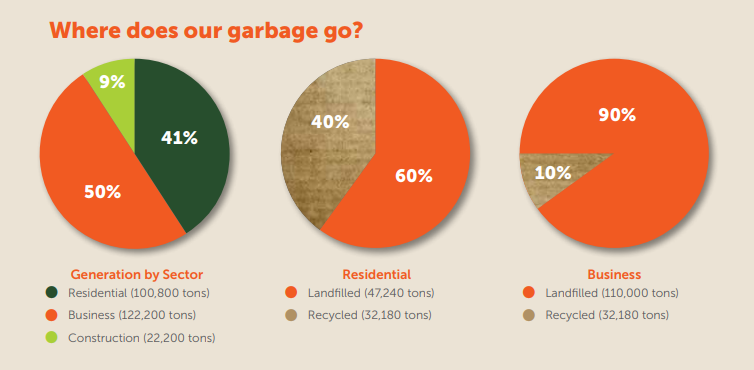
Resident waste, however, only accounts for about 40% of the total amount of material being generated. That’s why we also have a construction and demolition recycling ordinance (targeting 9-10% of generated waste) and a business & multi-family recycling ordinance passed in December 2015 to target the rest. The latter went into effect in January 2018.
Salt Lake City businesses generate roughly half of the waste in our city, making it important for this sector to recycle. This is the intent behind Salt Lake City’s Business & Multi-Family Recycling Ordinance (9.08.200) which took effect in 2018.
The business recycling ordinance is not aimed at small properties or businesses, nor those properties which provide lower-income, Section 8 housing. Instead, it is focused on the medium- to-large properties that are creating more waste.
More specifically, a business or property in Salt Lake City that generates more than four cubic yards of waste per week is required to offer recycling. This is approximately equal to eight, 96-gallon curbside containers and is roughly what multi-family properties with 15 or more units, and businesses with 10-15 or more employees, would produce.
Spread the Word
Only 10-15% of business waste was recycled before the ordinance went into effect. That number is gradually increasing, but we’d like your help!
Are you aware of a business or multi-family property that is not offering recycling? Let us know!
Simply fill out this form or email slcrecycles@slcgov.com and we’ll contact them to follow-up.
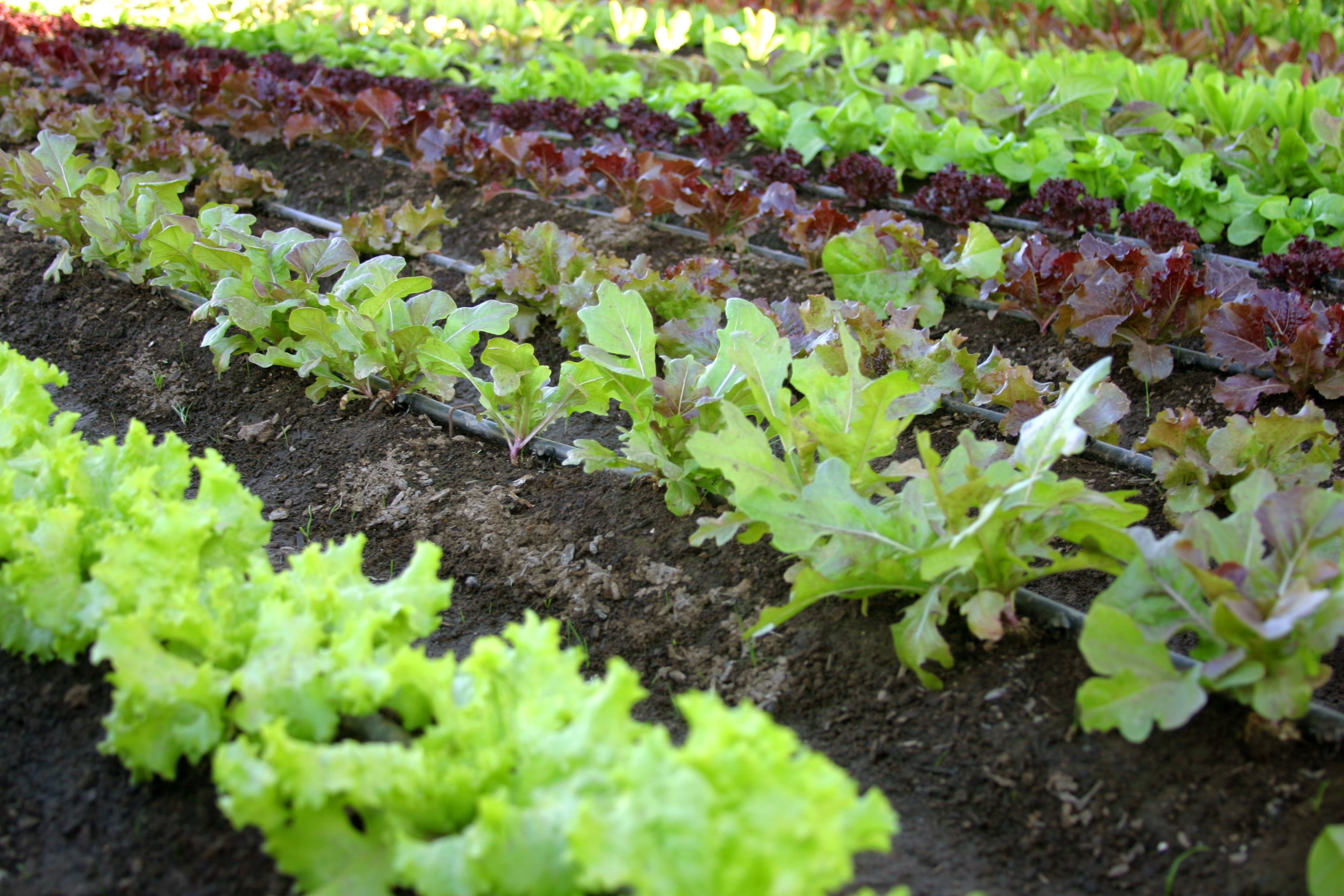
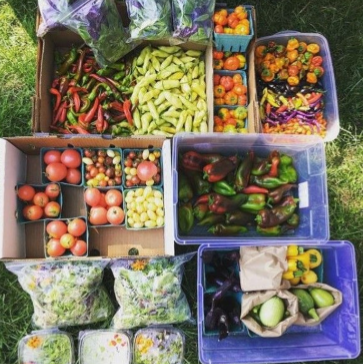
Pomona Produce is one of SLC’s local food microgrant recipients and is currently growing food on one of our urban farming parcels.
Who doesn’t love getting food from our local farmers’ markets?
Shopping at local farmers’ markets is important for supporting our community as well as benefiting SLC’s surrounding environment. A few of our other favorite reasons include:
The fruits and vegetables you buy are the freshest and tastiest available. All of the food is grown by the seller within a short radius, picked fresh, and brought to local markets.
The SLC Downtown Farmers’ market only sells products that have been grown or hand raised by local farmers. This makes it easy to ask them what their farming practices are to make sure they align with your values.
The incredible variety of healthy fruits and veggies is inspiring. Need information or recipes for something you have never tried before? Farmers often have recommendations for preparing their products and are more than happy to share their favorites.
We are supporting family farmers! Buying directly from farmers gives them the valuable capital they need to keep operating and providing consumers with an alternative to mass-produced foods.
Buying local supports the economy, keeping more of our dollars invested in the community.
Many of our local farmers are in business because they love it, but it’s a tough, physically-demanding job with tight financial margins.
Salt Lake City understands the value of healthy, local food as well as the benefit that farmers bring to our local community and economy.
That’s why we’re allocating a total of $75,000 in microgrant funding to assist local, small-scale farmers who want to expand their operations with sustainability in mind. The microgrant fund is one of SLCgreen’s Local Food programs aimed at helping achieve our goal of increasing overall access to fresh, healthy food for all members of the SLC community.