We’re excited to report that the United States Conference of Mayors honored Salt Lake City Mayor Jackie Biskupski, recognizing Salt Lake City efforts to move towards the city’s Climate Positive goals.
Check out the press release below for more details!
FOR IMMEDIATE RELEASE: June 28, 2019
Salt Lake City receives prestigious
recognition of climate achievements at U.S. Conference of Mayors Annual Meeting
Today at its annual conference, the United States Conference of Mayors recognized Mayor Jackie Biskupski for her leadership to advance renewable energy and tackle climate change. Presented at the “Climate Luncheon,” Mayor Biskupski was recognized for Salt Lake City’s efforts to transition to net-100 percent clean electricity, which made significant strides in 2019 with the passage and enactment of HB 411, the Community Renewable Energy Act.
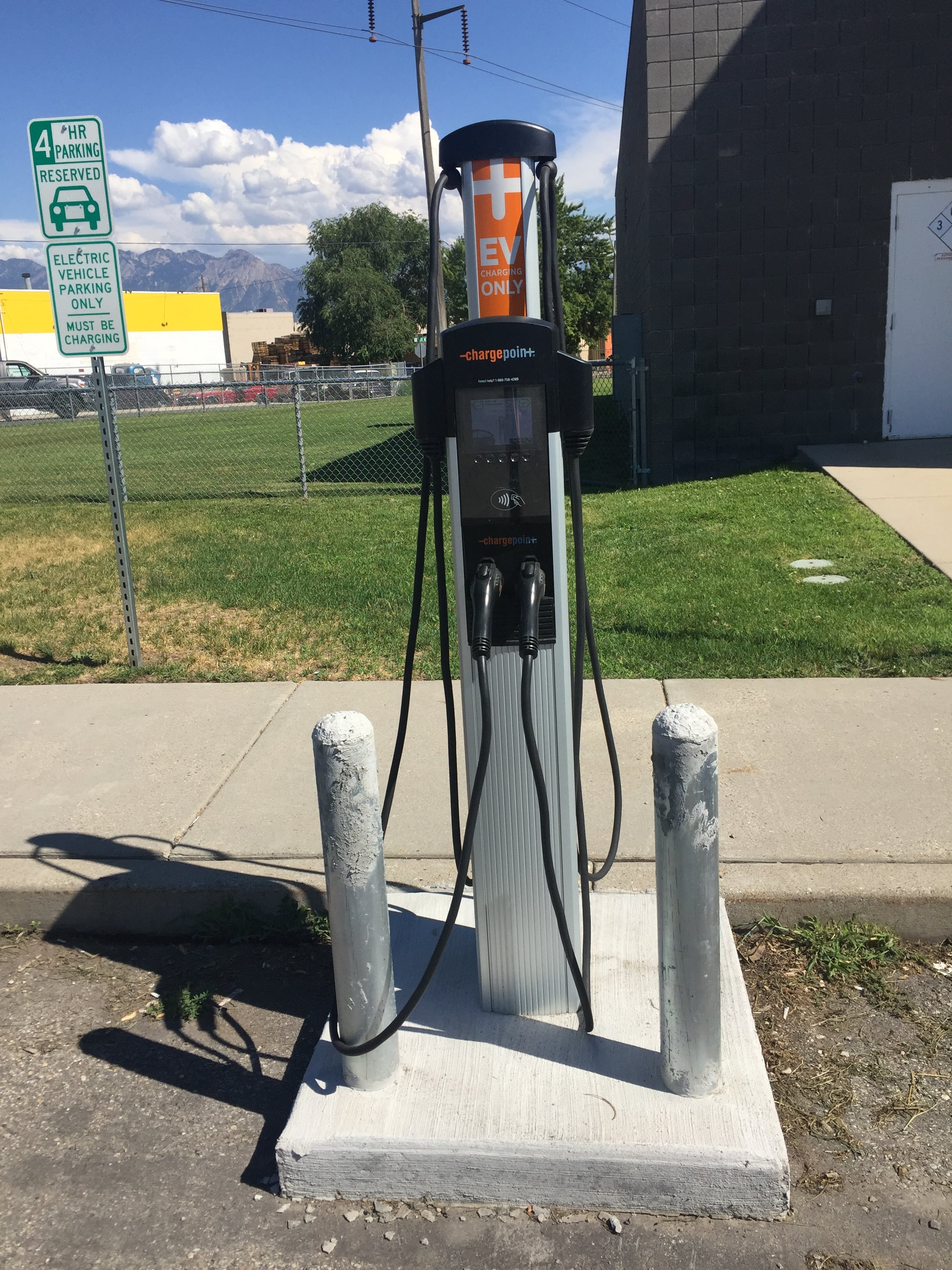
We talk a lot about electric vehicles at SLCgreen (seriously – check it out).
That’s because they’re one of the critical pieces of transitioning our community to a lower carbon footprint (and they’re pretty fun to drive too).
Therefore, over the last several years, SLCgreen has developed policies to promote electric vehicle adoption in the community at large and in our government fleet.
But this support is not without substantive research and justification.
While EVs are a key part of the puzzle, they’re not a panacea to climate change or our air quality problems. Other forms of transportation (biking, walking, riding the bus or train) and good urban planning are just as important.
Today, however, we are taking a deep dive on a common question regarding electric vehicles– just how clean are they?
Summer is here and with it a nearly endless offering of entertainment options! From grilling in the park and attending concerts and festivals, to hiking, running, and biking on local trails, there are many ways to get outside.
But while you’re out there, remember to take care of our natural spaces– both in and outside of our city!
The Leave No Trace principles aren’t just for going in the backcountry. They should be applied everywhere— including our local parks, gardens, and canyons.
Using these principles helps keep human impacts to a minimum and ensures access to these places and activities will be around for many years to come.
Leave No Trace is more than just packing out trash
Leave No Trace has developed a simple platform that has helped millions of people learn how to protect and respect the outdoors. The Principles are based on respect for nature and other visitors — and they are supported by scientific research.
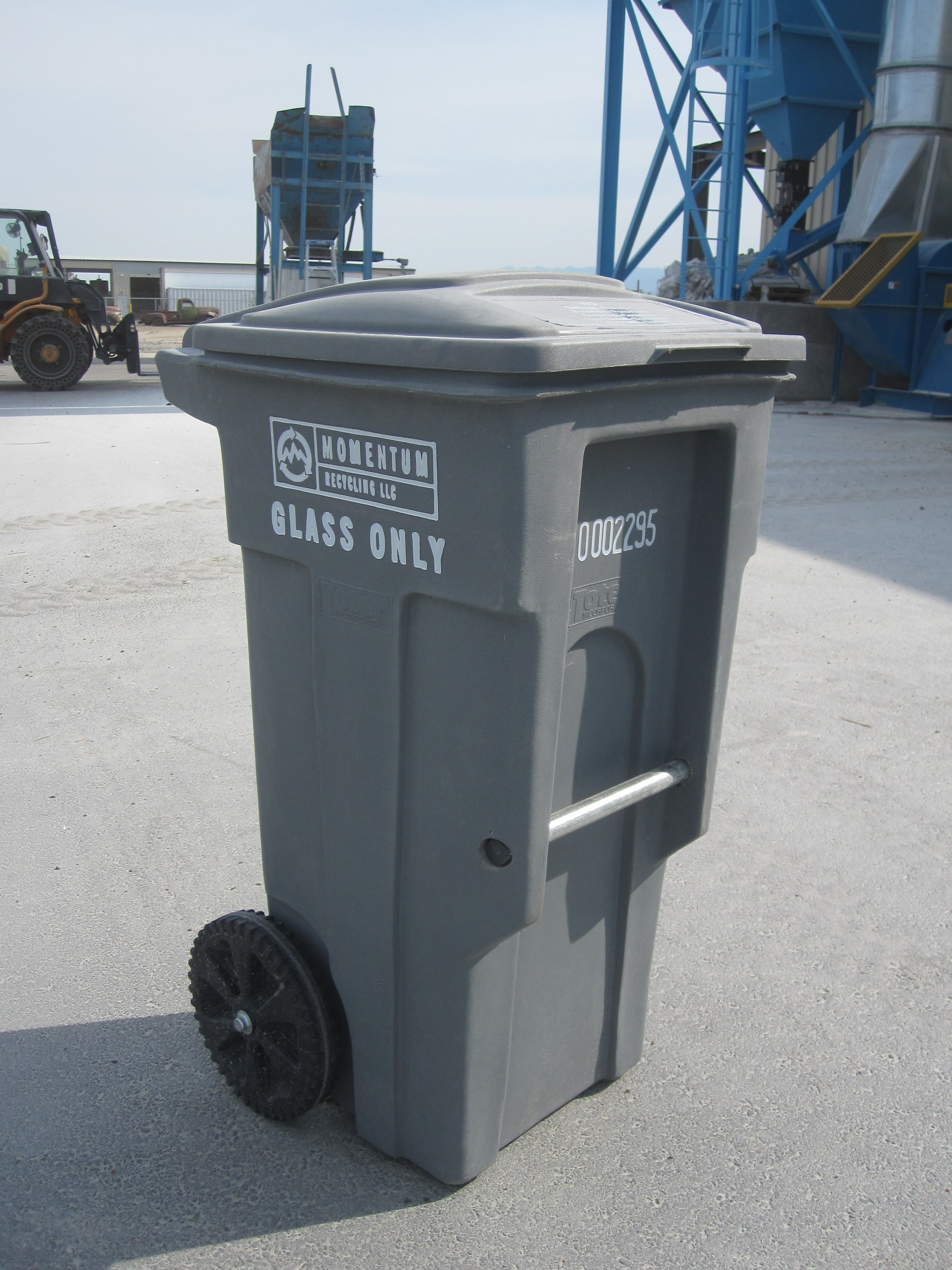
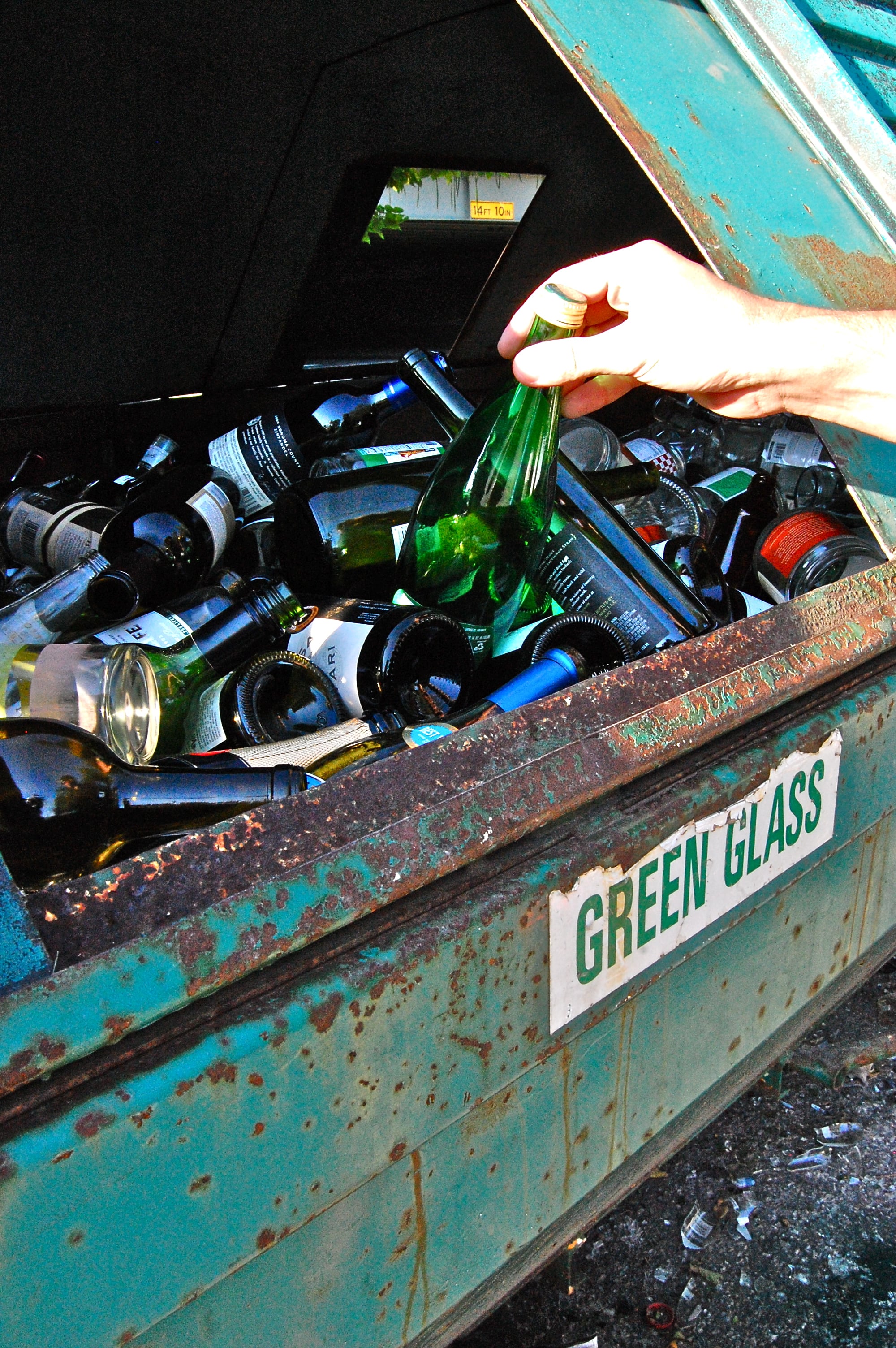
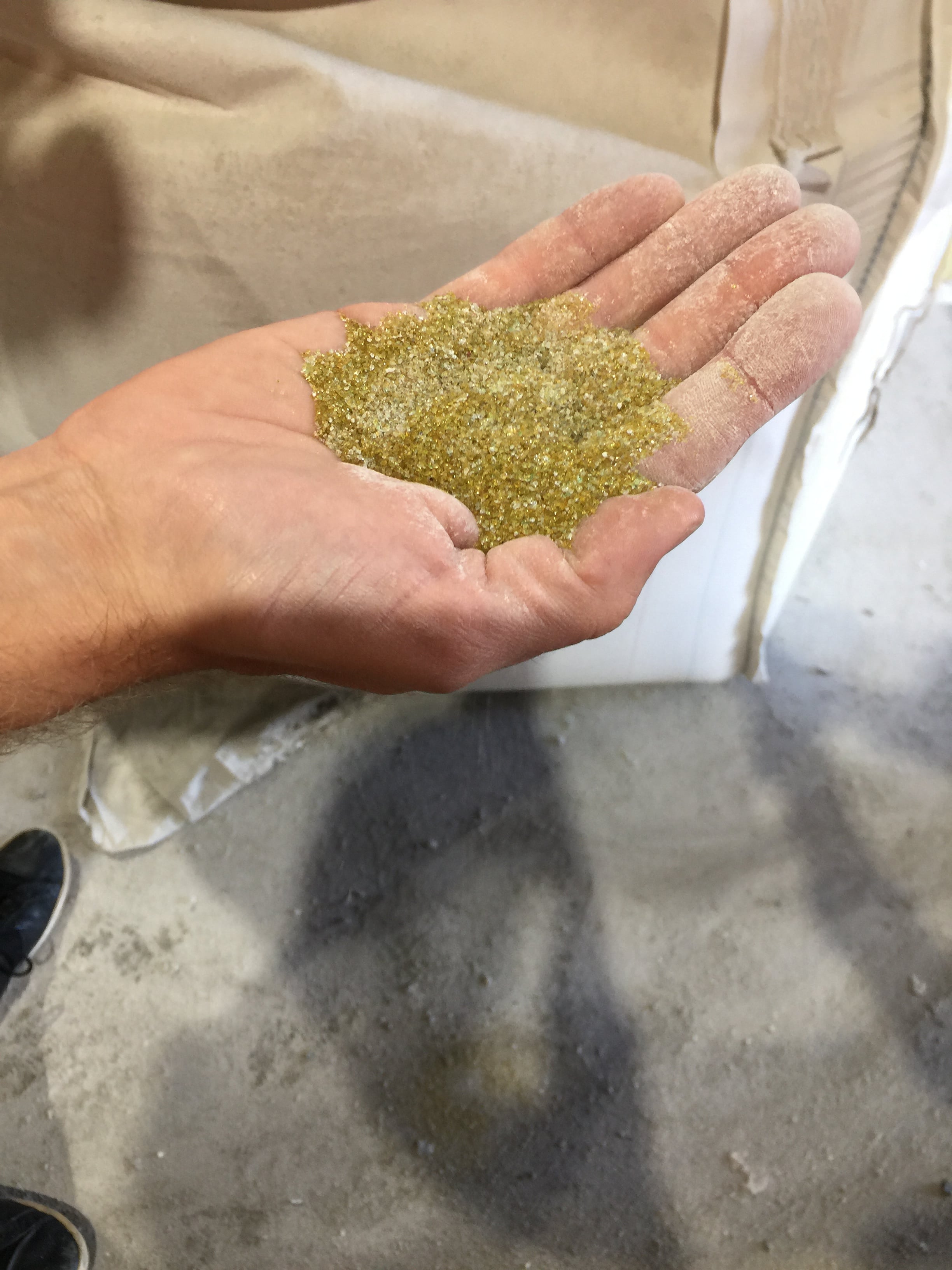
Glass is one of the best materials to recycle. Not only does glass recycling help stimulate the local economy, glass can be recycled endlessly. Indeed, 80% of recovered glass is recycled into new glass bottles. The rest is turned into industrial materials. Momentum Recycling, Utah’s glass-only recycling facility, provides a critical service to our communities by taking care of our glass and moving Utah closer to zero waste.
Summer is here and along with it are the Salt Lake City area Farmers Markets. June 7th and 8th marked the start of another great summer of Farmers Markets with theLiberty Park Farmers Market on Friday night and the Downtown Farmers Marketon Saturday morning. The markets ushered in summer with everything from delicious food trucks to fresh heirloom vegetables to artisan dog cookies!
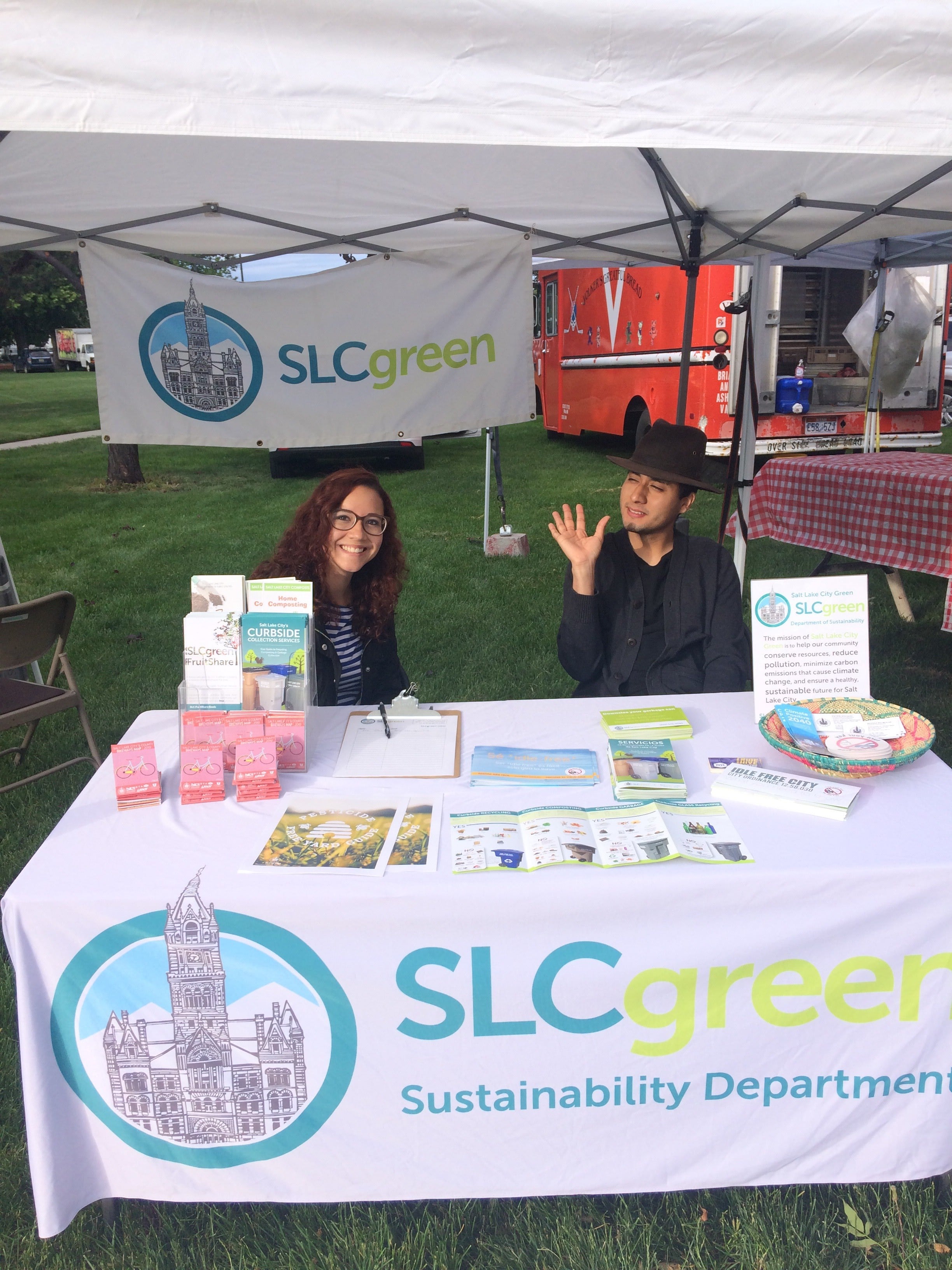
On Saturday, interns from SLCgreen tabled alongside farmers and vendors including Buzzed Coffee, Raclette Machine, Mamachari Kombucha, Volkers Bakery, and many more. Salt Lake City’s Farmers Market are a great way to support local growers; eat fresh, locally grown food; and to learn about sustainability projects in Salt Lake City.
SLCgreen Interns Linda Derhak and Atticus Olmedo at the Downtown Farmers Market.
Support Farmers Markets
Salt Lake City supports community-based food production as a means of making fresh, sustainable foods more readily accessible.
Pollinators: we need them! And this Saturday, June 15, you can join Catalyst Magazine, Wasatch Community Gardens, and Slow Food Utah to help celebrate pollinators at the 9th Annual Bee Fest.
The event, which kicks off Pollinator Week (June 17-23), will be abuzz with pollinator activities including poetry readings, bee-friendly craft projects, games, and even an all-ages costume contest. If you care about pollinators, you won’t want to miss Bee Fest!
We’ll be there tabling and discussing our Pesticide Free SLC campaign. Come by, say hi, and pick up your free yard sign to show your commitment to chemical-free yard care that supports pollinators (and our health and environment).
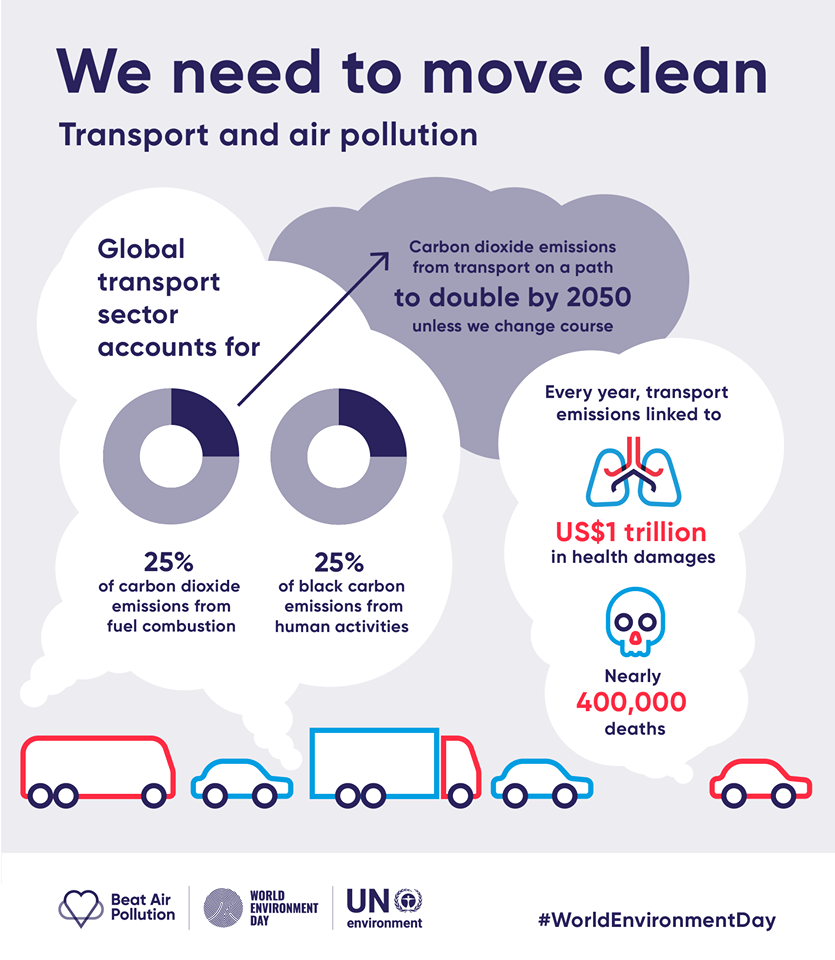
Since 1974, June 5th has been a day for global action to protect the environment. Celebrated in over 100 countries, the UN’s World Environment Day raises awareness on urgent issues such as plastic pollution, sustainable consumption, wildlife crime, and climate change. The day empowers people around the world to create change as individuals and communities. This year’s host country, China, is bringing attention to a pressing global crisis: air pollution.
Global air pollution is worsening. According to the UN, 9 out of 10 people breathe in polluted air and it causes 7 million premature deaths a year. China is leading a charge against air pollution, and countries world-wide are helping make sure people have access to clean air.
Here in Utah, we have our own struggles with air quality — mainly with seasonal issues such as PM2.5 pollution in the winter and ozone pollution in the summer. Across the Beehive State, air pollution leads to increased illness. Salt Lake City and other communities statewide are working to improve air quality and the State’s Department of Air Quality has led many efforts over the years to reduce pollution.
But more is needed.
In honor of #WorldEnviornmentDay and the goal to #BeatAirPollution, here are some easy ways we can all be part of the effort to improve indoor and outdoor air quality.
The future of our local water systems is a critical issue in Utah. Indeed, although the state was declared drought free early this May, Utah experienced its driest year on record in 2018 — and this summer may be just as scorching.
Utah typically relies on snow melt runoff stored in mountain reservoirs to survive the hot summers. The past few years, however, Utah’s weather has been unpredictable — from receiving one of the worst drought designations in the nation in October to watching for flooding as the snow pack starts to melt.
Although our rivers are bulging and reservoirs are at capacity, there’s no telling how long the good fortune will last. With this in mind, it’s important to remain conscious of our water usage as summer approaches. Luckily, there are many easy ways to conserve water!
Salt Lake City’s Department of Public Utilities has many resources on their website to help you conserve water. We’ve also put together this handy list:
Every summer, across the valley, fresh fruit goes to waste, falling off of neighborhood trees and rotting on sidewalks and in backyards. The good news is that with an abundance of fruit trees, Salt Lake City is in a unique position to cut down on waste and provide affordable access to healthy food.
That’s how the Fruitshare program was born. Salt Lake City worked with the non-profit Green Urban Lunch Box (GULB) to launch this program several years ago with the goal of reducing food waste and providing healthy fruit to residents in need. SLCgreen has also supported the program financially until it became self-sustaining.
Since then the program has expanded beyond Salt Lake City, to include other areas along the Wasatch Front.
Instead of losing the fruit to the landfill, the SLC FruitShare will bring volunteers to harvest your fruit for you! If you have a tree or orchard that produces an abundance of fruit each year, you can register you trees and help strengthen our local food system.
Here’s how it works:
GULB volunteers harvest the fruit
FruitShare participants (the homeowners) will receive one-third of what’s gathered.
The other two-thirds is split between the FruitShare volunteers and hunger relief programs.
Today the Hogle Zoo launches a new animal exhibit, but these animals are a bit different from the rest.
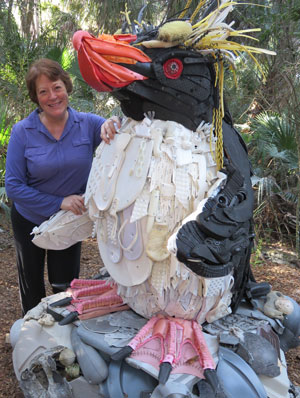
The exhibit’s animals are made up plastic debris washed up on the shore of the Oregon coast. The colorful sculptures make a bold statement about plastic pollution in our oceans and its impact on marine life.
From May 24 to September 30, visitors to Salt Lake City’s Hogle Zoo will come face to face with fifteen sculptures built entirely out of plastic trash. The sculptures are located throughout the zoo grounds.
Artist and art educator Angela Haseltine Possi created Washed Ashore to raise awareness about the detrimental effects of plastic within the ecosystem. Possi spent many summers on the beaches of Oregon when she was young, which fostered her love of nature. But over time, she noticed the massive amounts of plastic and trash that washed up on the shore. Possi decided to educate herself about plastic pollution and the impact it has on marine life. Her research inspired her to help in the way that she knew how—by creating art.
And so, the Washed Ashore Project was born. Volunteers who work on the Washed Ashore Project join forces to clean up beaches on the Oregon coast, process the debris, and then create the sculptures representing marine life. To this day, over 10,000 volunteers have contributed to this ongoing project.
The exhibit travels across the country to educate viewers about the dangers of plastic waste in our oceans to the marine life, and what they can do to help.
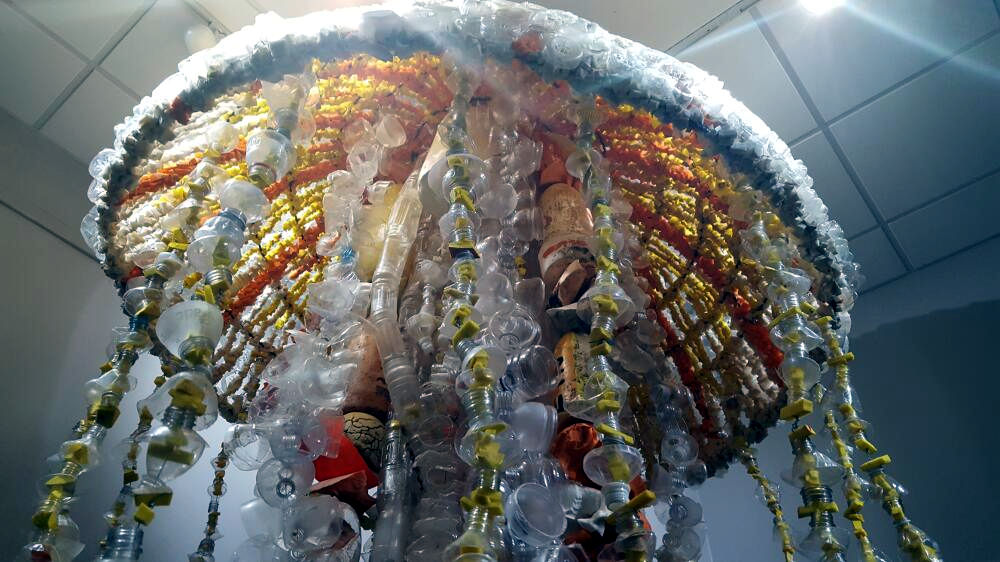
Each of the animals on display represents an animal impacted by marine debris. For example, one of the sculptures is a billowing jellyfish. Hungry sea turtles often mistake plastic bags for jellyfish– a staple in their diet. The mistake can be deadly for the sea turtles. This piece serves to spark conversation about the negative impacts of plastic bags and the importance of reusable alternatives.






.jpg)