Energy is key to our societies, communities, health, and more. It’s also an important concept when we consider the environment and climate change.
Our youngest community members play a key role in inspiring our climate action. Helping students engage with topics including energy conservation, renewable resources, and climate action helps us all build a more sustainable community.
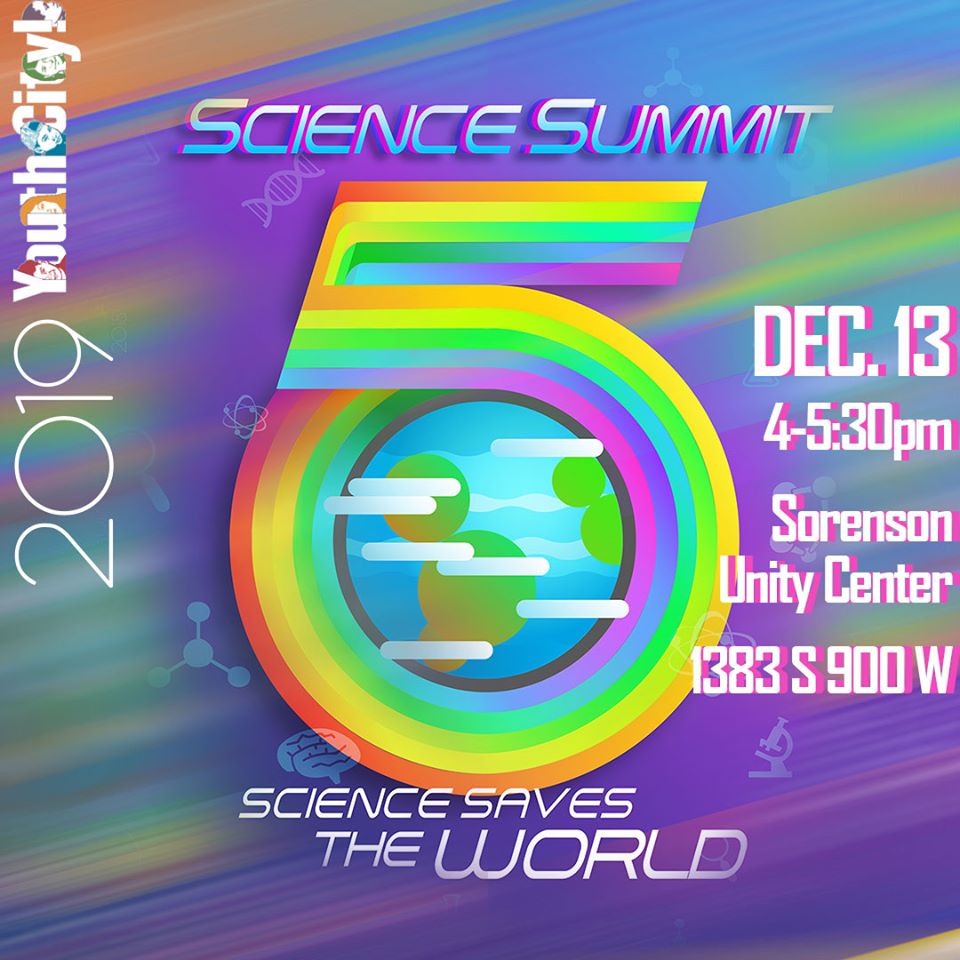
That is why we were thrilled to team up with Salt Lake City’s YouthCity to explore energy for their fall after school program. This year, YouthCity has spent 4 months exploring energy and sustainability. And last week we heard from 22 student groups and several of our community partners at the 5th annual YouthCity Science Summit.
Each year, YouthCity’s after school courses help kids learn about physical health, financial awareness, the scientific method, and more. In the fall, YouthCity focuses on STEM subjects, and for the last 5 years the session has culminated in a Science Summit event where students share what they have learned with their families and peers.
This year, the Science Summit applied energy concepts to real world problems. The Summit featured projects on green power, climate and extreme weather, aquaponics and photosynthesis, renewable energy powered cars, solar power, light energy, and environmental justice. YouthCity instructors and students worked through questions with hands-on science and were able to relate energy topics to real-world issues including air quality, recycling, and public health and safety.
Participate in a survey that can help determine future rates, and the future of the solar industry in Utah.
We love clean energy! And rooftop solar is no exception.
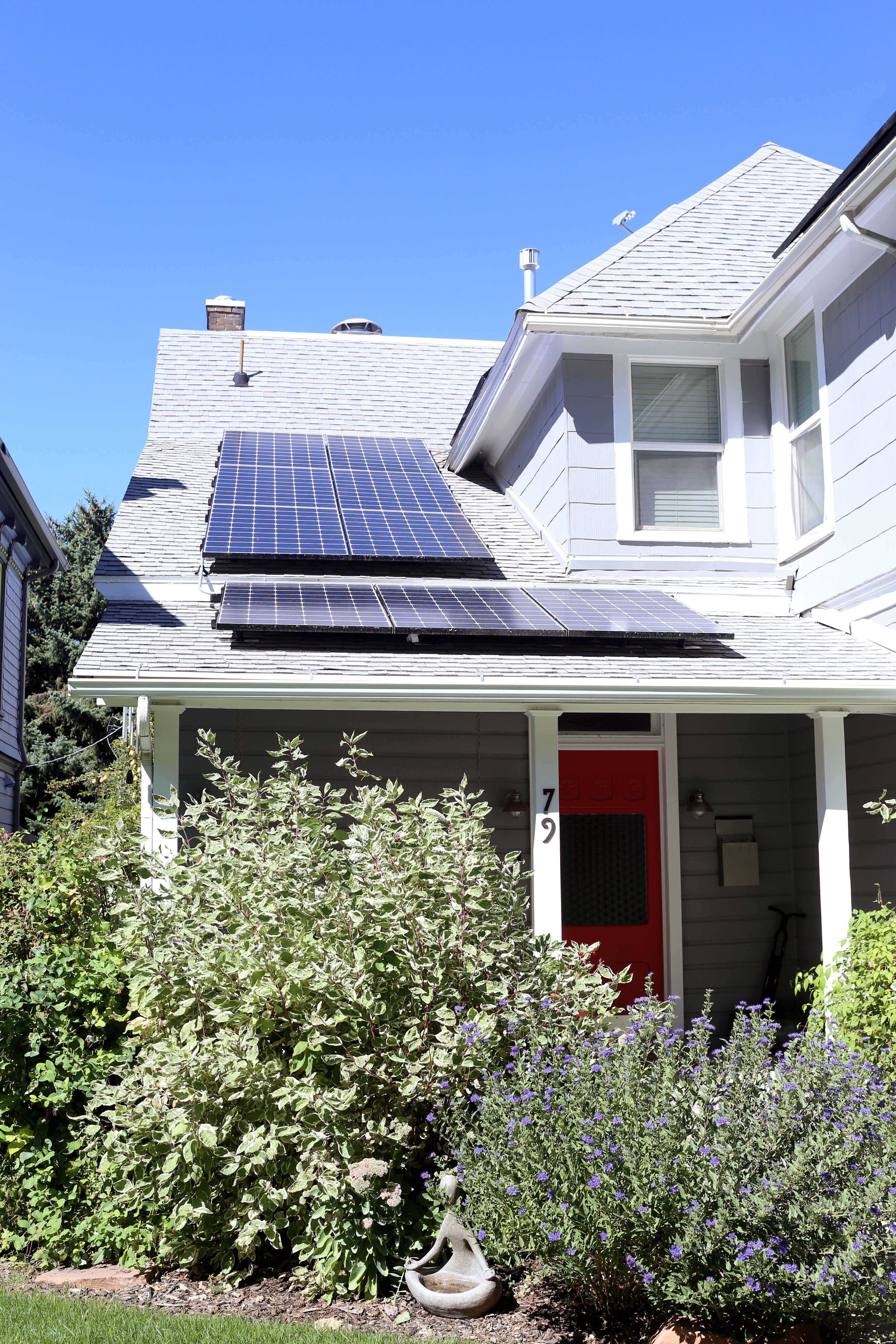
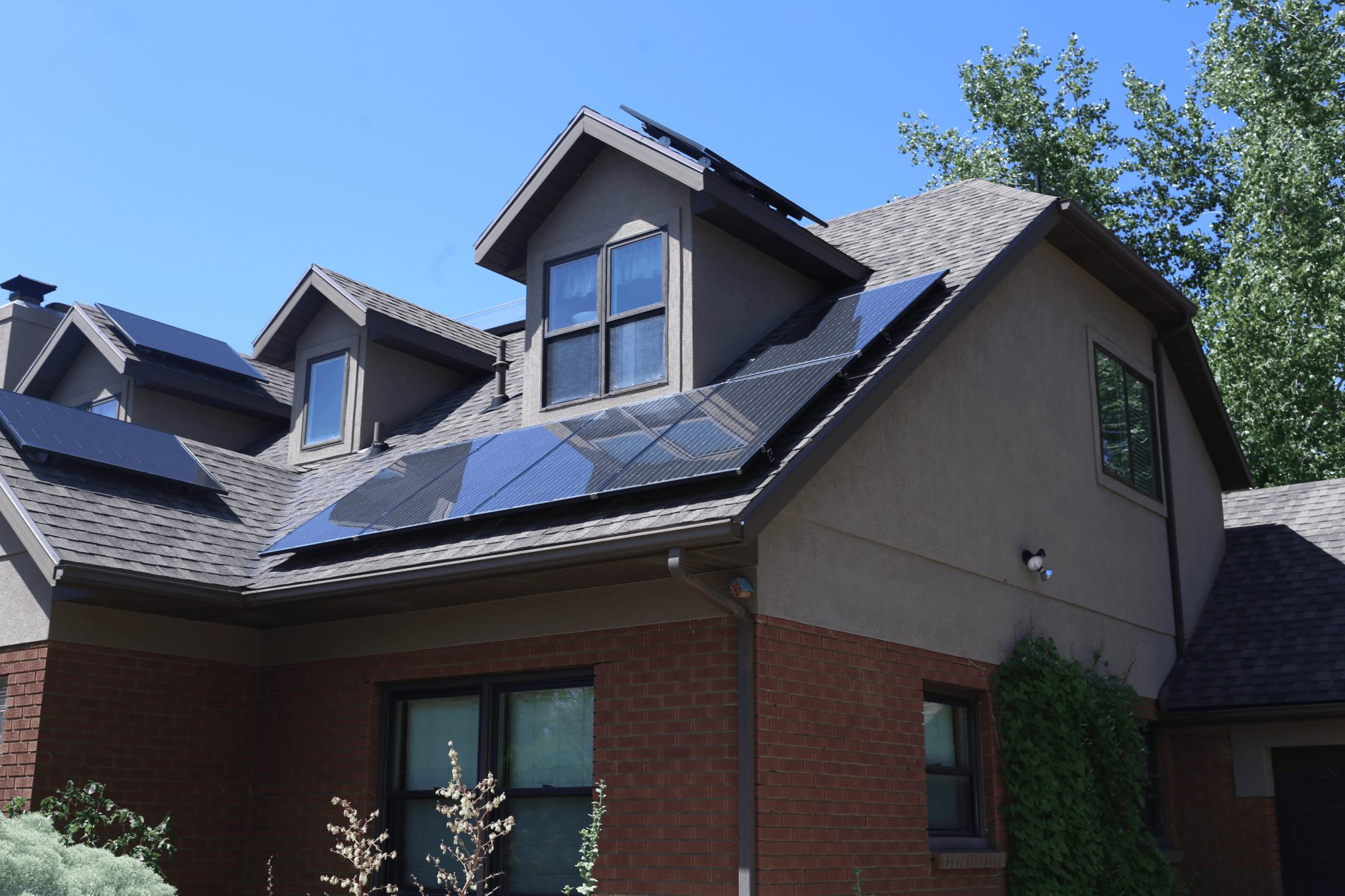
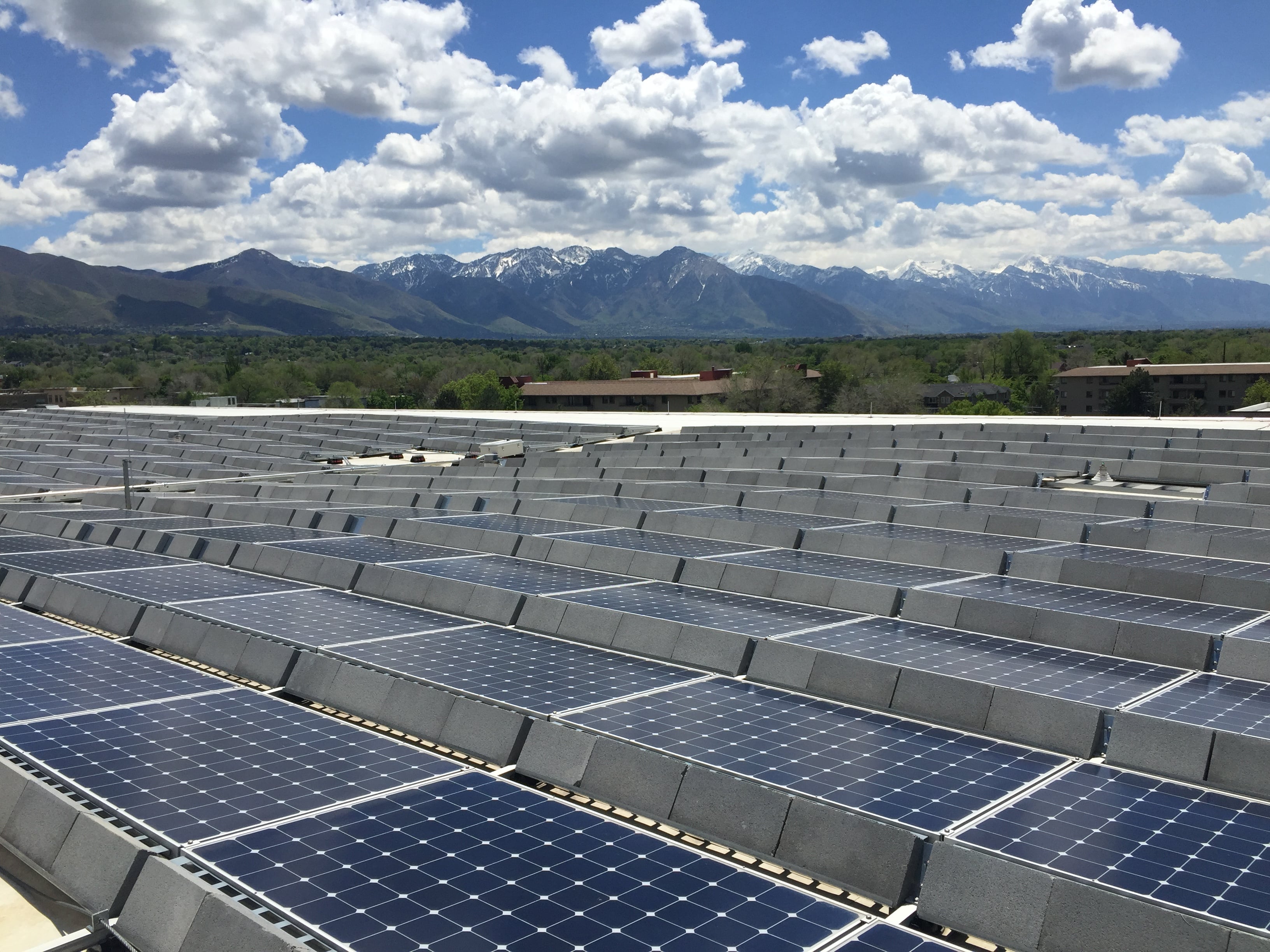
Also known as “distributed solar”, this is the on-site solar energy that powers businesses and homes with panels installed on rooftops or mounted on the ground. Regardless of the location or size of array, distributed solar is an important step towards a clean energy grid.
These on-site arrays not only save money, they help reduce air pollution and carbon emissions.
Now, home and business owners with rooftop solar have the opportunity to show just how important their solar is. The Utah Public Service Commission is set to evaluate the credit residential solar customers receive for the energy exported to the grid. To help demonstrate the impact of clean solar power to our communities, the organization Vote Solar is conducting a study of rooftop solar in Utah.
If you have rooftop solar, you may have recently received a letter from Rocky Mountain Power about this topic. The letter references signing up to participate in the study. What this entails is allowing your solar array details and usage data to be shared with the non-profit Vote Solar— not with Rocky Mountain Power.
The study will analyzethe benefit that rooftop solar provides to the overall grid. Sign up here.
This has been a contentious topic for several years, and was a key issue in a rates compromise brokered two years ago. (Read more on the SLCgreen blog and in the Salt Lake Tribune).
The data from this survey– and the next phase in the ratemaking– could have significant impacts on the future of the solar industry in Utah. That’s something we all should care about!
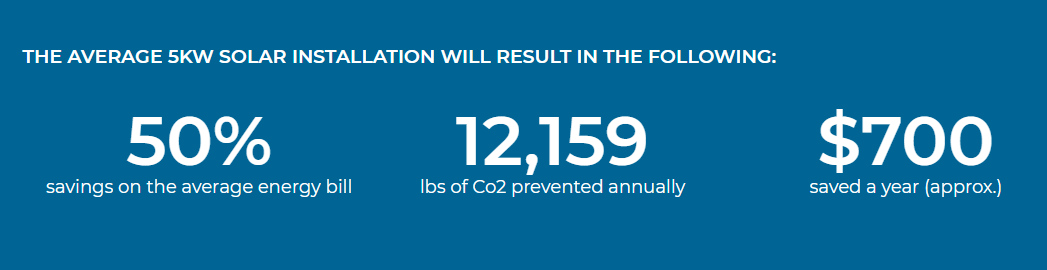
The need to continue investing in clean renewable resources is critical and benefits our environment, economy, and public health. The average 5 kilowatt solar installation helps home owners and businesses save 50 percent on their energy bills (resulting in $700 savings per year) and prevents 12,159 pounds of carbon dioxide emissions.
A fair evaluation is critical to determining future rates for rooftop solar owners. Among other impacts, the rate structure could have ripple effects on the solar industry in Utah and the 6,000 solar jobs it supports. So if you have rooftop solar, we encourage you to consider signing up to join the study.
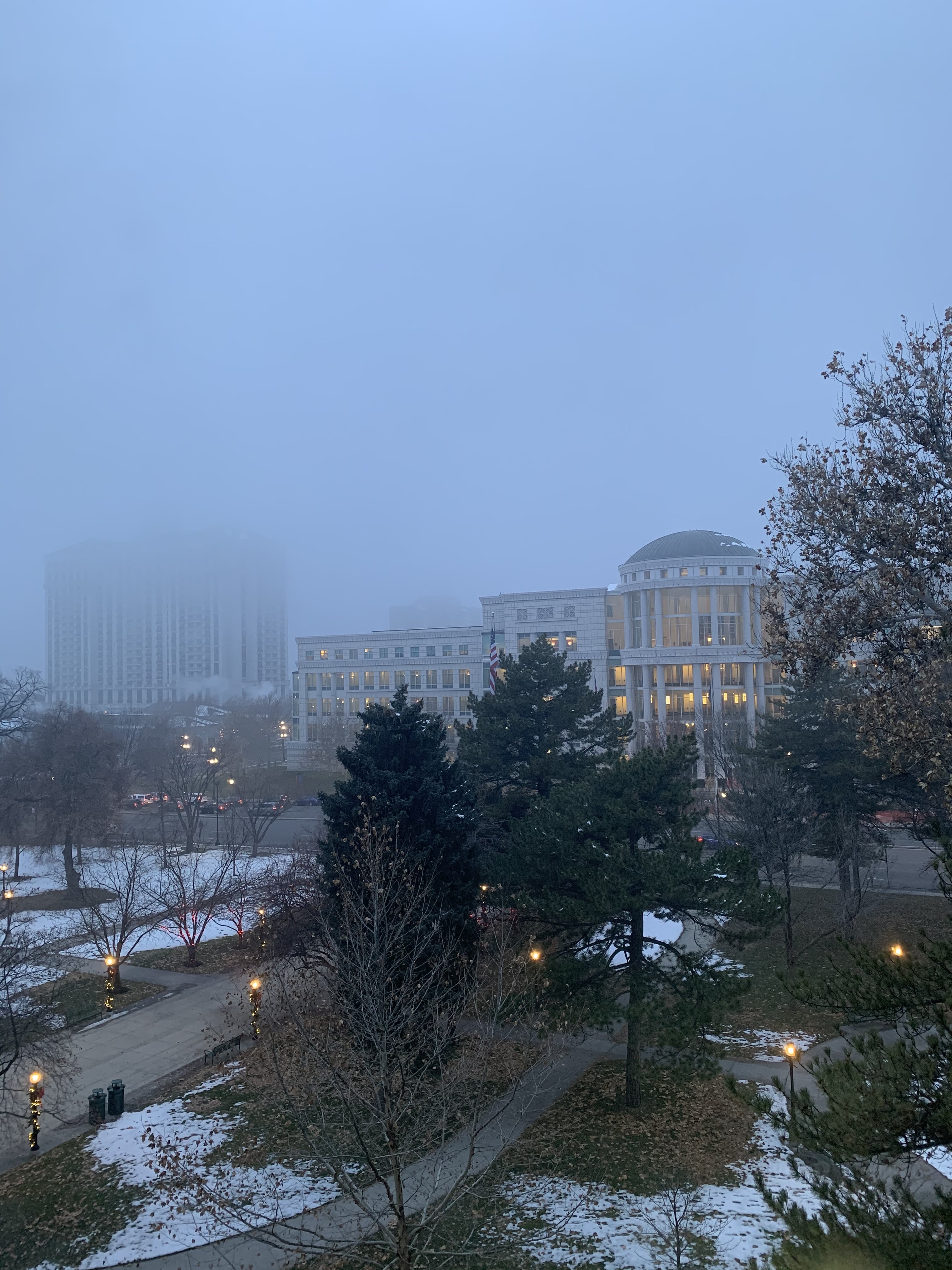
The view from the SLCgreen office on Dec. 4, 2019.
With a week of air that has been some of the worst in the country, it’s no wonder we’re all feeling frustrated. Salt Lake City’s current air quality is unhealthy for sensitive groups and requires mandatory action of limited driving and no wood burning. For most of us, Salt Lake City’s notoriously bad air is a nuisance and health concern, limiting our activities and turning our skyline grey. Moreover, pollutants like PM 2.5 are dangerous, especially for older residents, children, pregnant women, and people with respiratory and cardiovascular conditions. Air quality is a public health concern, as well as an economic one.
It may come as a surprise that although transportation currently contributes nearly half of the emissions causing Salt Lake City’s bad air, buildings are catching up. Indeed, houses and buildings currently contribute roughly 38% of emissions, and industry point sources produce the other 13%. As emissions standards on cars are becoming more strict, managing emissions from houses and buildings is a growing priority.
PM 2.5 is the primary winter concern in Salt Lake City’s airshed. The particulate matter poses serious health risks and gets trapped in the Salt Lake valley during inversion. Most of the PM 2.5 is a direct result of precursor emissions from tailpipes, smokestacks, and chemicals that mix to form PM 2.5 in the atmosphere.
When you look outside, it may feel like there’s no good news. However, per capita pollution in Utah is decreasing. Salt Lake City is taking steps to help clean the air and protect our public health and environment. Find out how you can keep our airshed (and lungs!) clean and healthy.
What is SLC doing?
Reducing combustion and emissions are a key step towards cleaning the air.
Salt Lake City has many air quality initiatives in place that are helping clean the air. Among these include the continued expansion of EV infrastructure, expanding cleaner vehicles in our fleet, and implementing our energy benchmarking ordinance for nearly 1,000 commercial buildings. Additionally, the HIVE pass provides residents with access to UTA’s public transit system at a reduced cost.
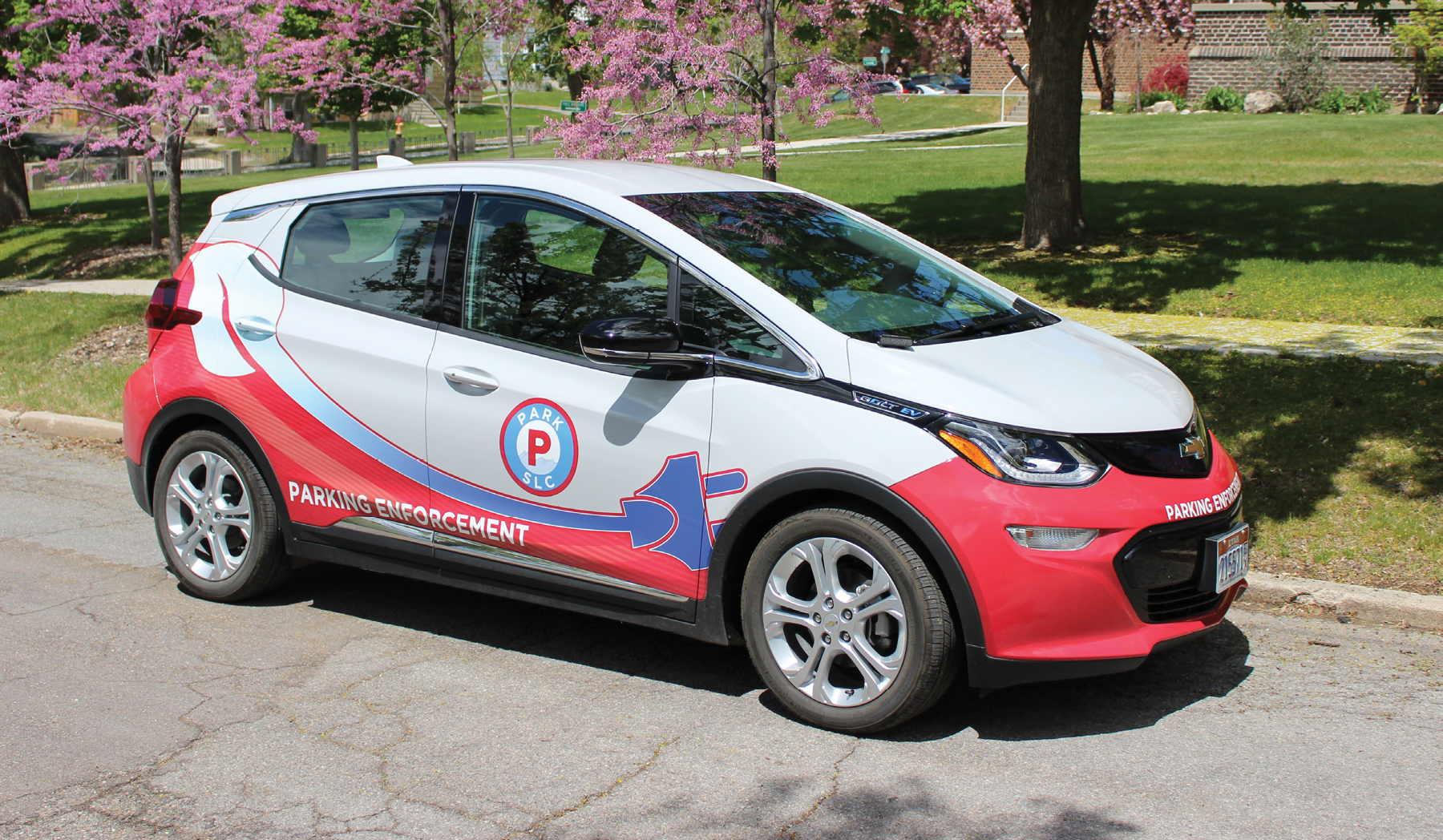
In 2018, Salt Lake City converted five parking enforcement vehicles to all-electric Chevy Bolts. As of Oct. 2019, the Salt Lake City fleet has over 135 hybrids, 32 all-electric vehicles, 72 compressed natural gas heavy duty vehicles, and 117 clean diesel heavy duty vehicles.
This graphic shows SLC’s residential recycling impact for one month (June 2019 at 585 tons). From Jan – Oct, we’ve collectively diverted 6,466 tons of recycling and 14,320 tons of green waste through our curbside programs.
There is always a lot to do during the holidays, but before we tuck into our plant-based Thanksgiving dinners or go find the second-hand treasures to complete our holiday look, we want to take a minute to count our blessings and thank you!
Without your engagement in sustainable actions and participation in SLCgreen’s programs, we could not have the positive impact we do.
Sometimes it’s all too easy to think “What I do doesn’t matter” or “What difference is one person going to make?” But when you take that individual impact and add it up on a community scale, those little sustainability actions really do make a difference!
Take recycling. We can vouch for the impact all of you have on the thousands of tons of waste diverted from our landfill each year to recycling and compost.
So today, please join us in celebrating these aspects of our community that help us be stronger and more sustainable.
We’re always thankful for recycling!
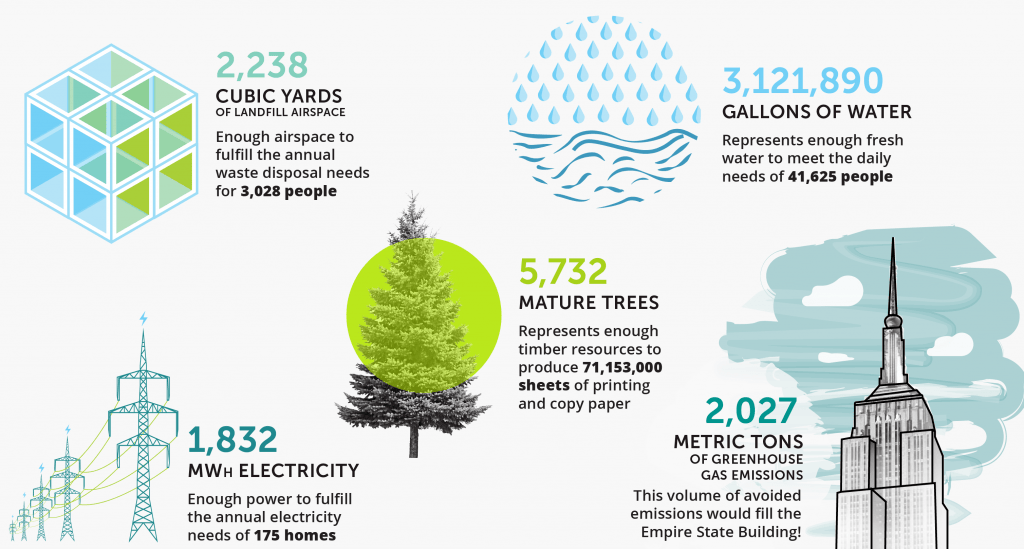
Salt Lake City is working towards our zero waste goals.In June, we recycled 585 tons of cans, bottles, paper, and cardboard. To put this in perspective, this saved the equivalent of 5,732 mature trees, 2,238 cubic yards of landfill airspace, enough water to meet the daily needs of 41,625 people, and enough electricity to fulfill the annual needs of 175 homes! All this recycling helped us avoid 2,018 metric tons of greenhouse gas emissions, which makes for cleaner air too!
Multiply those numbers by 12 and you have the average impact of Salt Lake City’s curbside recycling program over the year.
Your recycling is making a difference! Thank you!
We know that recycling has been in the news a lot lately. It’s gotten confusing. Some people are even wondering whether it’s “worth it” anymore. Numbers like the above remind us just how important it is. Thank you for continuing to recycle.
Here are some easy ways to keep up the good recycling habits this holiday season:
If you’re hosting a holiday party, consider using reusable dishes. We know that can be a challenge! Check out our small event recycling guide so that your guests know exactly what should go in the blue bin when it’s party time!
When you’re serving up the cranberry sauce or making pumpkin pie, make sure to clean your aluminum cans and put them in the recycling bin: Aluminum can be recycled over and over, and goes towards making everything from bikes to new cans!
If you have excess veggie scraps, eggshells, or coffee grounds, use the brown bins and compost them rather than throwing them in the garbage. You can even compost your tree.
The Saturday after Thanksgiving is #SmallBusinessSaturday. Buying locally-made goods supports our economy and is often a more sustainable way to shop. When you shop at a small local business, you support local artisans and business owners and reduce the environmental impacts associated with shipping and packaging!
Clever Octopus is ready for fun on #SmallBusinessSaturday!
The Hive Holiday Pop-Up Market at Trolley Square will feature 4 weekends of local artists starting this Friday, November 29th.
One of our favorite places to find the most delicious treats is the Downtown Farmers Market. Their Winter Farmers Market is in full swing. Be sure to check out the local vendors for your holiday cooking and gift giving needs!
Following Small Business Saturday, #GivingTuesday is around the corner. Giving Tuesday is an opportunity to give back to our community by donating money, goods, and volunteer time to worthy causes!
We’re thankful for sustainable holiday DIYs!
Unless you’re willing to keep your fake holiday tree for a very long time, real trees can actually be a more sustainable option. However, there is an even more sustainable – and entertaining – option: DIY Holiday Decor!
Fun holiday decorating can help us feel cozy and festive! We know it’s tempting to get your fireplace going. But before you do, please check the air quality and make sure there aren’t any restrictions. You can protect the air by eliminating vehicle idling and respecting burning restrictions. Moreover, you can make your holiday cozy with just a little creativity — no real fire necessary:
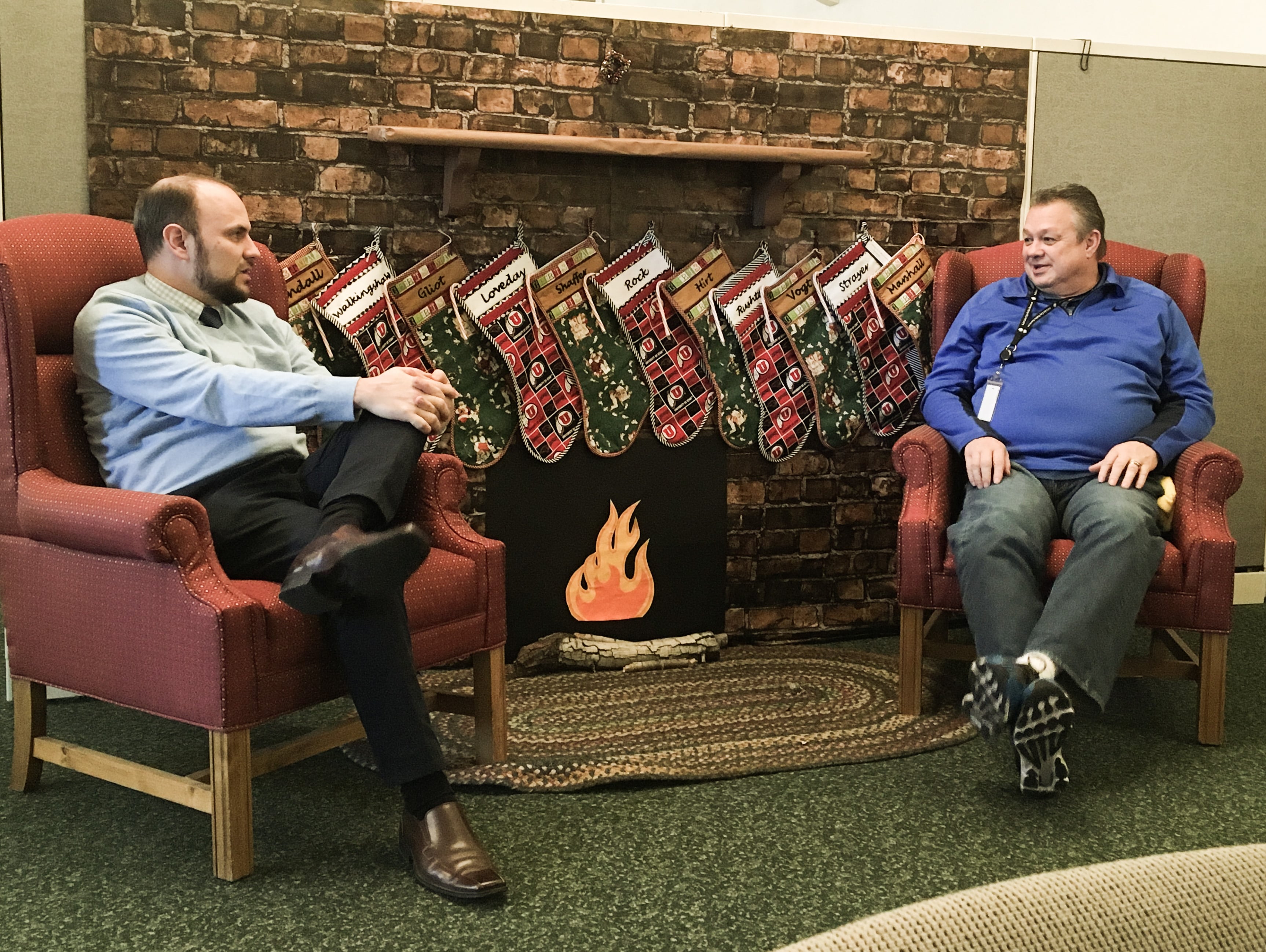
Our friends in Public Services enjoy their hand-made holiday fireplace!
We’re thankful for YOU!
We want to take a minute to thank our SLCgreen team! Our readers, residents of Salt Lake City and beyond, are helping us reach our goals when it comes to reducing waste and building more sustainable communities. We hope you have a wonderful and sustainable holiday season!
On this blog and in general sustainability circles, we often talk about the environmental and health impacts of plastics, vehicle emissions, buildings, air travel– even the food we eat.
But today we want to take a deep dive into something we haven’t discussed very much. It’s a sector which is lesser-known, but hugely impactful in terms of waste generation and greenhouse gas emissions. We’re talking about clothing and textiles.
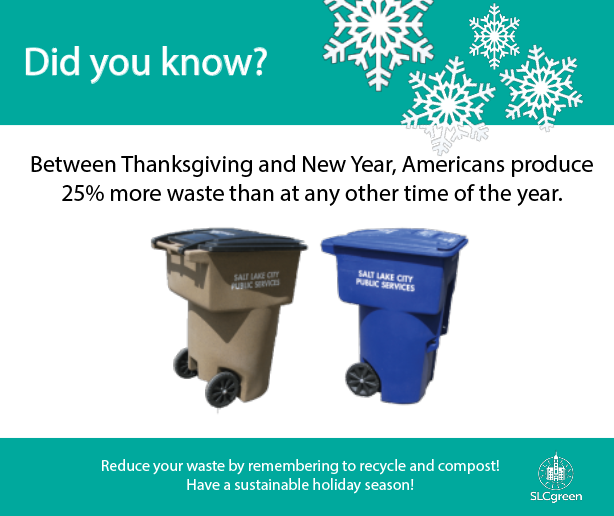
Did you know that between Thanksgiving and New Year’s, Americans throw away 25% more trash than during the rest of the year?!
As the Black Friday flurry and holiday gift-buying season approaches, it’s a good time to be mindful of this impact and how we can take charge of minimizing our environmental footprints.
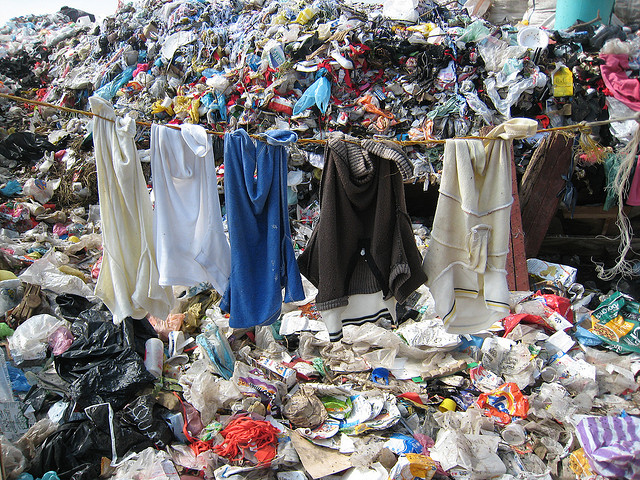
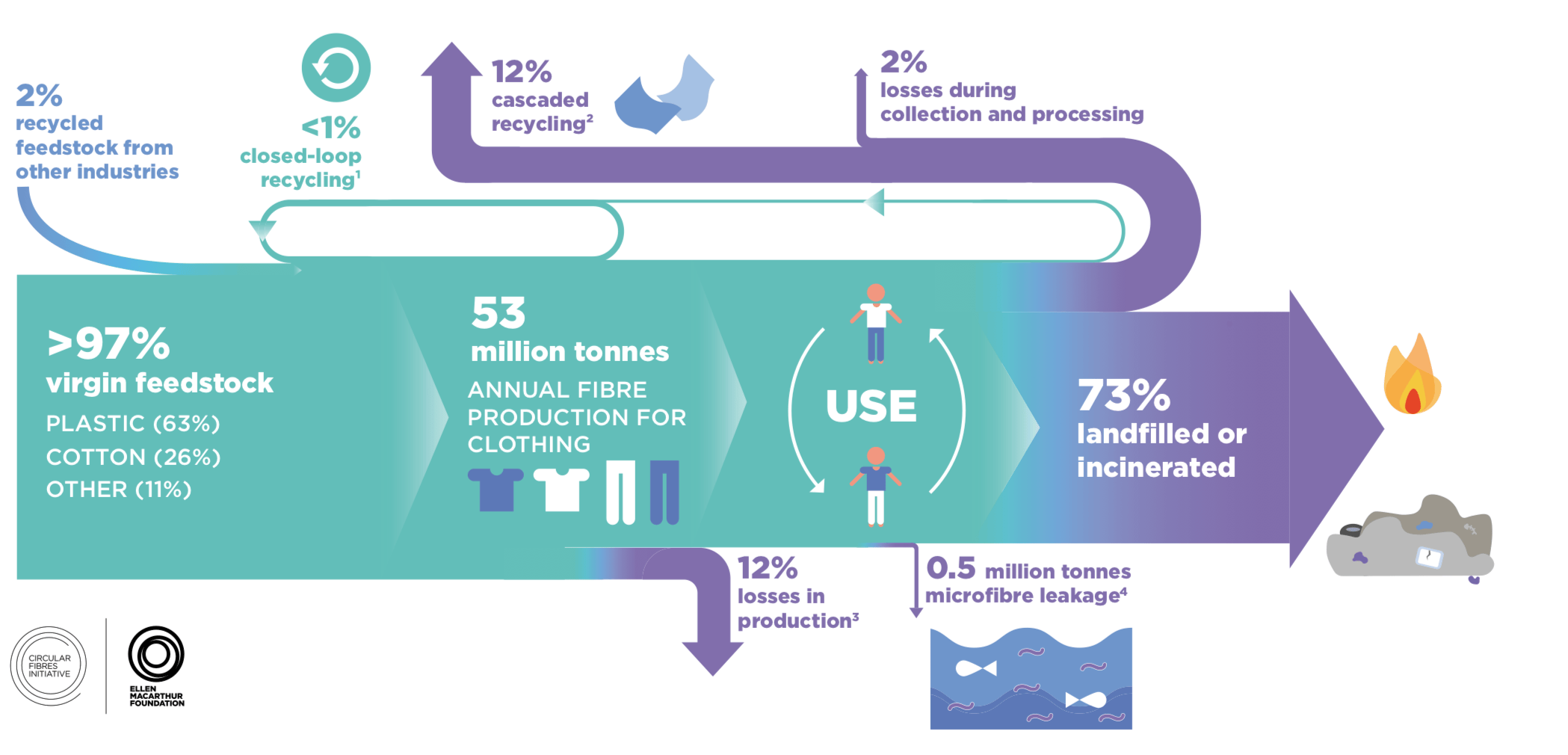
It may come as a surprise, but the fashion industry is a significant contributor to our landfills, as well as to 8% of global greenhouse gas emissions, almost as much as the entire European Union!! The clothes industry also creates plastic pollution, threatens public health and the environment through intense chemical pollution, and takes up an enormous amount of landfill space.
Clothes are definitely a necessity and are also a fun way to express one’s creativity. But today, we want to emphasize the impact of the textile industry and why we need to think more carefully about the clothing purchases we make.
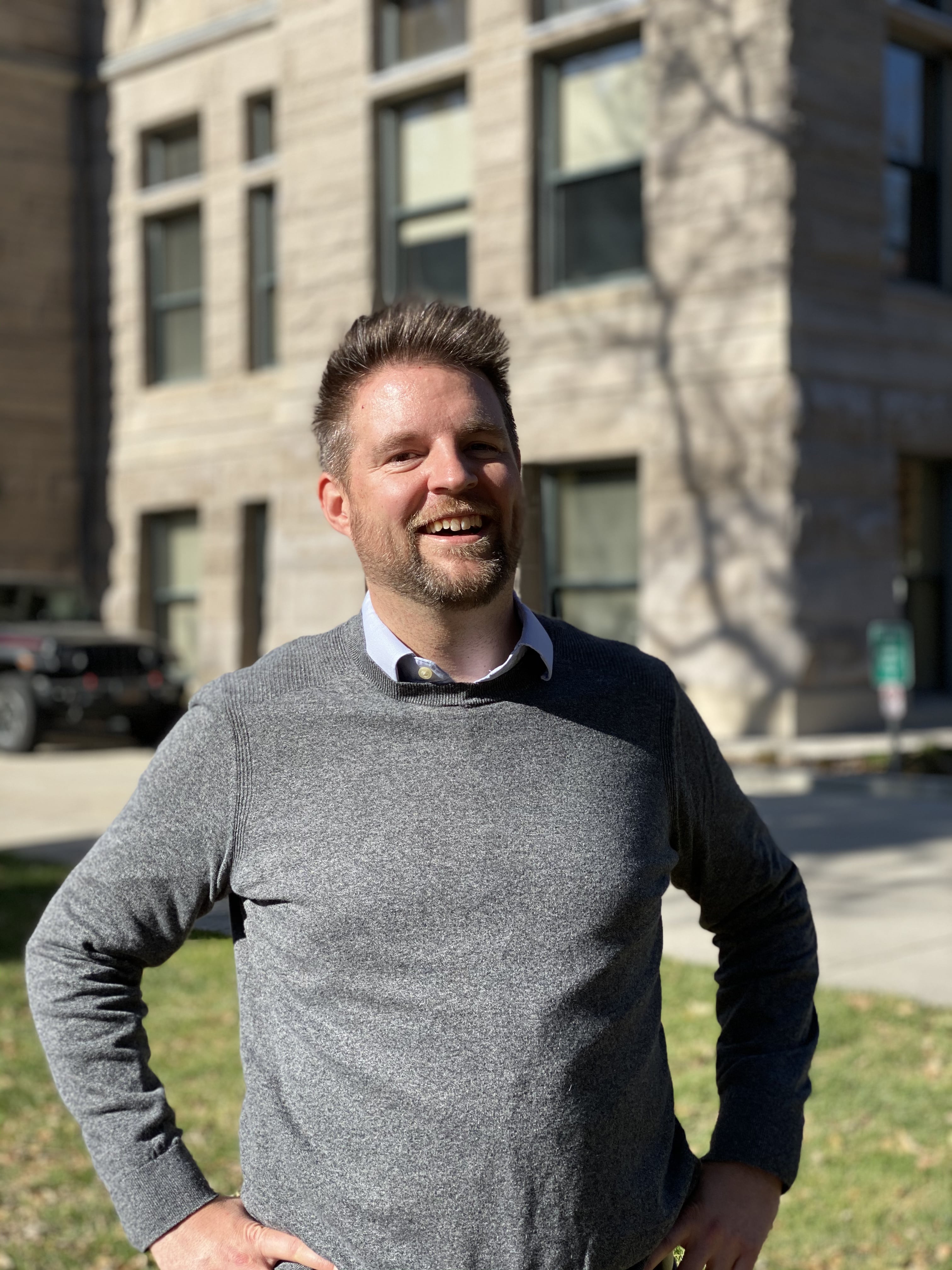
Christopher Thomas joined the SLCgreen team in November 2019.
SLCgreen is excited to welcome Christopher Thomas to our team as the new Senior Energy & Climate Program Manager!
Christopher brings with him a unique blend of experience in clean energy policy, regulatory engagement, advocacy, non-profit leadership, energy efficiency, data science, and more.
He previously worked with the Sierra Club, HEAL Utah, the energy efficiency firm ETC Group, Salt Lake County, and more. He holds a B.A. in English and Biology from Grinnell College and a Master’s Degree in Information Systems from the University of Utah David Eccles School of Business.
His is an important role for the Sustainability Department and the City as a whole, as the lead staffer (see our farewell post to his predecessor Tyler Poulson) on many of Salt Lake City’s climate initiatives. Learn more by visiting the Climate Positive SLC plan.
Christopher has already hit the ground running and we’re thrilled to put his expertise to work!
His main responsibilities include:
Bringing new clean energy projects online to meet Salt Lake City’s municipal power needs
Collaborating with our electric utility Rocky Mountain Power, other 100% clean energy communities, state leaders, businesses, and regulatory authorities to move forward Salt Lake City’s community-wide clean energy goals
Partnering with city departments and divisions to reduce municipal energy use and pollution through cleaner fleets, energy efficiency, and renewable energy projects
Creating programs and partnerships to reduce the City’s fossil fuel footprint
Our eating habits can contribute a lot to our carbon footprint. The process of growing, harvesting, transporting, processing, and packaging food all emits CO2. And the farther away from the farms we live, the bigger our environmental impact becomes. By eating more locally, we support the local economy and protect the environment by cutting down on the time and resources spent producing our food.
But what about in
winter?!
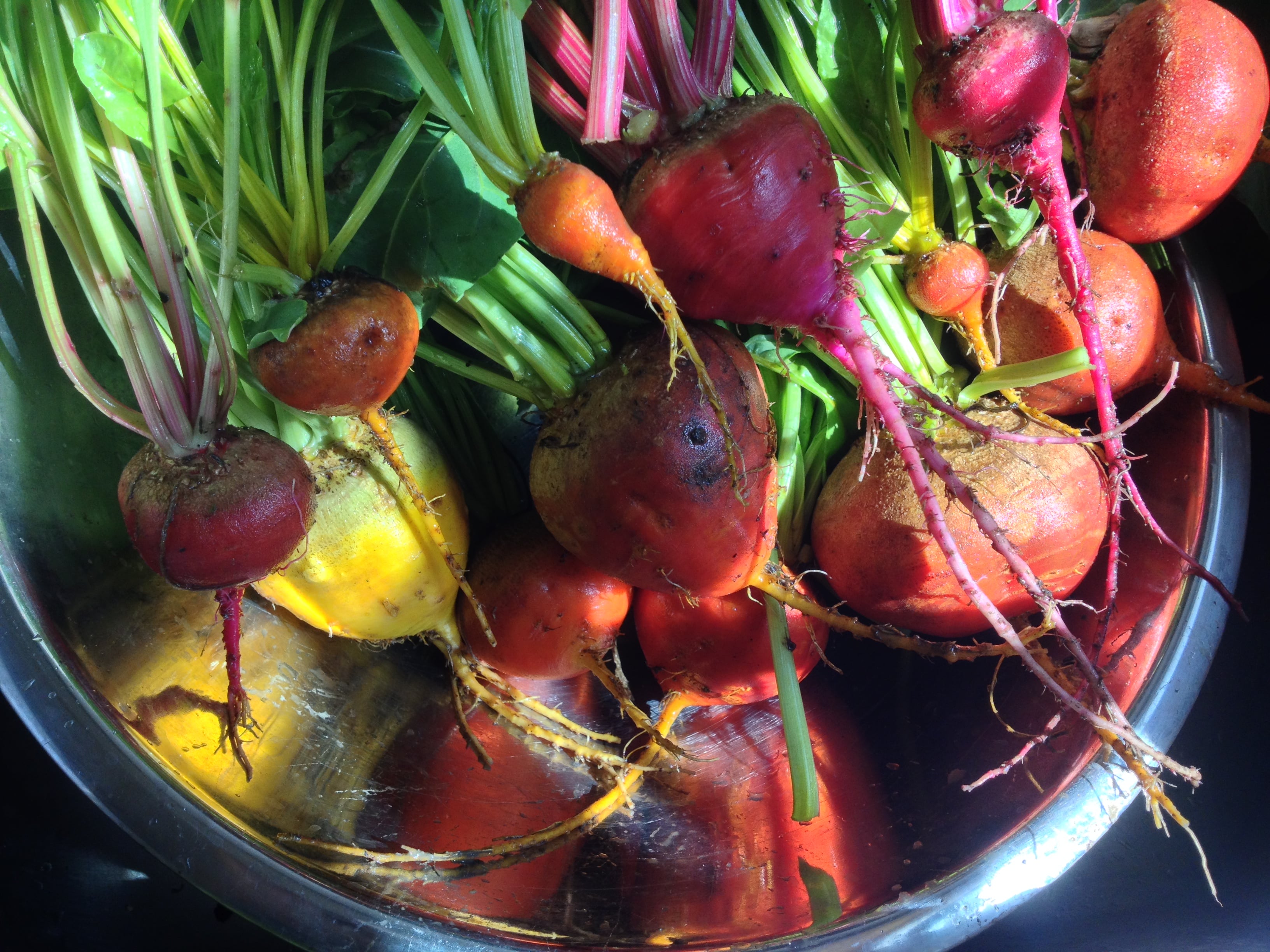
Eating fresh and local produce can be harder depending on the season. Indeed, if you look at this seasonal food guide, you can see how the produce availability changes from month to month even in Utah.
Luckily, there are many ways to extend the harvest season and enjoy local food all year round.
Preserving the Fall Harvest
It may feel a little old fashioned, but making your own jams, marmalades, and jellies is a great way to make your local fruit last and reduce your food waste. Preserved fruit can be done in several ways, but a simple jam just requires high pectin fruit and sugar.
Preserving fruits and veggies doesn’t have to be as simple as jams and pickles. Depending on your recipe, you can make soups and sauces and other delicious meals from your fresh fall harvest and freeze them until you need a taste of summer to lighten the midwinter mood.
Find Seasonal Treats at the Winter Farmers Market
Thanks to the local farmers with greenhouses, cold storage, and hydroponic systems, Utah’s harvest season is a lot longer. The Downtown Farmers Market is helping extend the season with theWinter Farmers Market!
With many of our favorite farmers from the summer Downtown Farmers Market, the Winter Farmers Market will run from November 9th to April 18th on Saturdays from 10am to 2pm at the Rio Grande Depot.
As we approach the winter, don’t give up on eating fresh,
locally grown food!
So now that Halloween is over, don’t give our waste management teams a fright! Here’s a quick guide to where your Halloween waste should go.
Help stop monstrous non-recyclable things from ending up in your recycling bin!
Compost: Your Jack-O’-Lantern’s Final Resting Place
If you’re an extra resourceful pumpkin carver, you may have decided to roast up your pumpkin seeds for a delicious Halloween snack! In fact, there are many fun ways to put your pumpkin’s guts to use.
But once you’ve used up your pumpkin and the jack-o’-lantern’s smile is fading, you have an important choice to make: where does the pumpkin go?
So instead of letting the great pumpkin take up space in the landfill (where it releases methane, a potent greenhouse gas), put your pumpkin into the compost bin!
(Remember to only put pumpkins without paint, wax, glitter or other non-organic decorations in the brown bin).
Unless a helpful witch or wizard was able to transform all those candy wrappers into clean cardboard or aluminum, or if you send materials to a recycling program like TerraCycle, candy wrappers should always be put into the garbage can.
Salt Lake City Reaffirms Items Accepted in
City’s Curbside Recycling Program
With recent news that some Wasatch Front cities and towns are changing what is accepted in recycling bins, Salt Lake City reiterates that these changes do not affect our residents.
Draper, Midvale, Murray, Riverton, South Jordan and West Jordan recently announced that they are no longer accepting paper in residential bins, including “paper bags, paper, newspaper, magazines, junk mail, and cereal boxes,” according to Midvale City’s website.
Salt Lake City continues to accept all clean paper products—except shredded paper.
Additionally, the Wasatch Front Waste and
Recycling District (WFWRD), which serves over a dozen other cities in Salt Lake
County is not changing the materials accepted in their cans. In total there are
14 municipalities in Salt Lake County that are not changing: Salt Lake
City and the 13 cities in the Wasatch Front Waste and Recycling District,
according to Pam Roberts, Executive Director of WFWRD.
In addition to paper, Salt Lake City accepts plastic containers, metal cans, and cardboard for recycling. Items should be clean and free from food residue, oils, or liquids.
“We have not made any new restrictions on what is accepted for recycling in Salt Lake City’s curbside program since early 2018,” said Lance Allen, Salt Lake City Waste & Recycling Division Director. “At that time, when China’s National Sword policy went into effect, we only restricted plastic bags and films, Styrofoam, and shredded paper. We also reiterated that recyclables should be clean. Residents should continue to recycle paper, plastic containers, cardboard, and cans as they normally would, and take pride in the beneficial impact they’re having on the environment.”
Halloween is here and things are getting extra spooky. Whether you’re out trick-or-treating, carving pumpkins, or just enjoying the fall weather, take a minute to celebrate some of Halloween’s most iconic creatures: Bats!
While bats may seem scary, like spiders they are an important part of our ecosystems. Not only do they help control insect populations, reducing the need for pesticides, they are also major pollinators.
It just so happens that Halloween marks the last day of International Bat Week. Soin honor of our winged friends, here are some fun facts about bats.
There are eighteen species of bats in Utah, and over 1,300 species world wide. Bugs make up the primary diet of most bats. And a single bat can eat thousands of insects each night! For smaller bats, that can mean eating close to their body weight in insects!
By controlling insect populations, bats help reduce the need for toxic pesticides. As a result, bats also help farmers save money by serving as natural defenses against insect damage to crops. Moreover, by diminishing our dependence on pesticides, bats also help protect our food and health.
Pollinating by Night
While most bats are insectivores, many species consume nectar and fruit – and are important pollinators! Indeed, bats are responsible for pollinating over 300 species of fruit including bananas and mangoes. They also help pollinate the plants that are used to make different kinds of medicine.
One common misconception about bats is they are blood-suckers. Although the vampire bat does consume the blood of other animals, bats don’t attack humans. Bats can carry rabies and other diseases, so it is important to remember that handling bats isn’t safe for you or the bat.
Besides habitat destruction, one of the biggest threats to bats isWhite-Nose Syndrome, a fungus that is causing mass deaths of hibernating bats. You can lower their chances of exposure by avoiding caves where there may be hibernating bat colonies.
Please join us in celebrating the role of bats in our ecosystem by commemorating Bat Week! Share this blog or Bat Week’s page on your social media pages.
Or perhaps you have your costume dilemma solved for Halloween? . . .
Whatever it is– let’s show the bats in our environment some love!