Category Archives: Sustainable Food

Going Green at Home: Eating Healthy and Supporting Local Farmers

Our food choices are important. In fact, in Utah, food choices contribute 25% of the household carbon footprint. This a result of the growing, harvesting, transportation, packaging, and cooking processes involved with getting our food to our tables.

While the restrictions as a result of COVID-19 have made shopping for groceries difficult, and food access remains an issue. However, the country’s farmers still have a large supply of food. Safely harvesting and selling the produce is what’s challenging.

Even though the farmers markets are temporarily closed, we can still support local growers and get healthy, sustainably grown food at the same time.

Our local farmers need support right now! With only 2-3% of the produce consumed in Utah grown in the state, local agriculture is already in a fragile state.

SLCgreen is working hard with our partners to find ways to support these farmers so they can continue operating– during this challenging time and into the future.

Plus, eating more produce and eating local is good for you!

Read on . . .
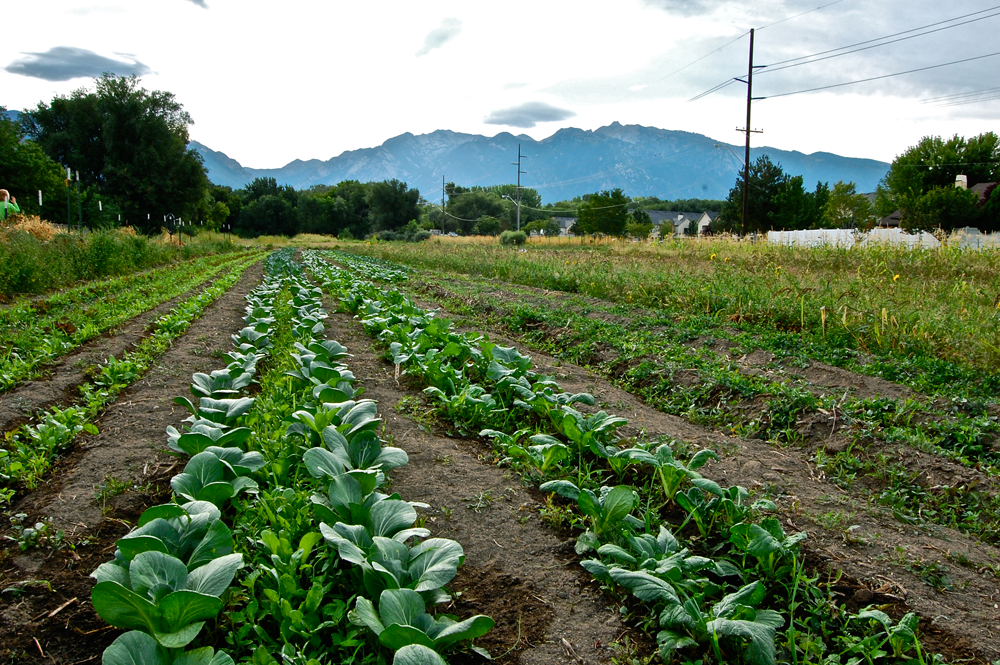
Rows of vegetables in a local urban farm.
Continue reading

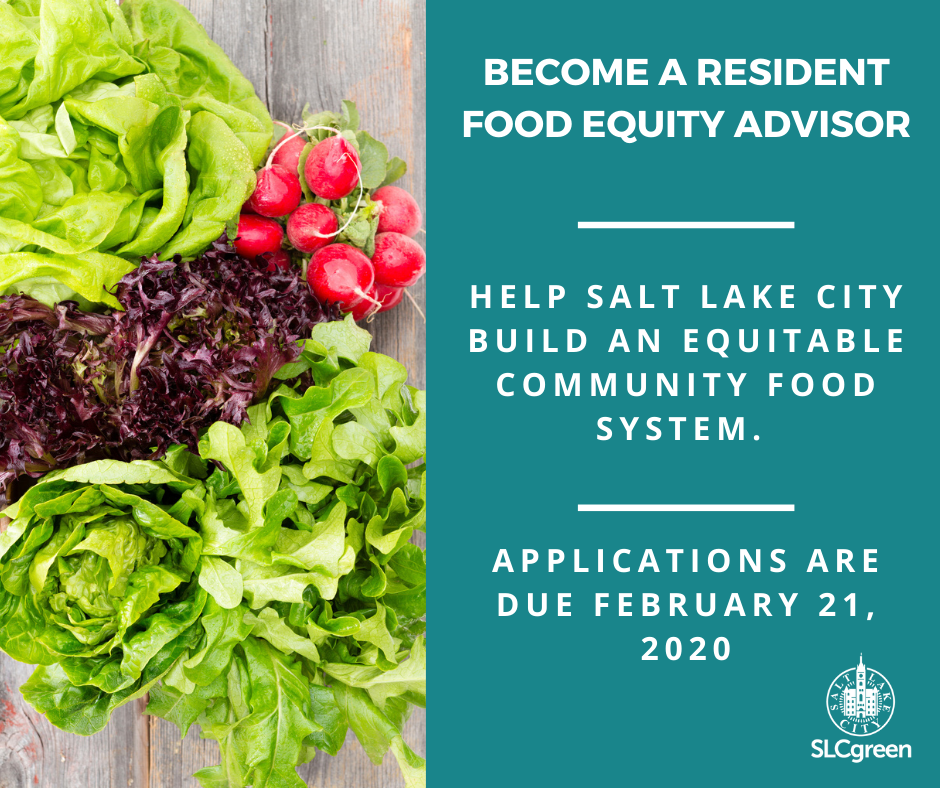
Introducing SLCgreen's Resident Food Equity Advisors Program

We have a new program we’d like to share with you and we’re looking for your help spreading the word to recruit applicants.

First, some context:

As part of SLCgreen’s commitment to equity and sustainability, we are beginning a new program to help residents from marginalized communities participate in how Salt Lake City tackles healthy food access. 

What is healthy food access? 

  • Having *enough* to eat (1 in 8 Utahns struggles with hunger, and 1 in 7 children are hungry, according to the Feeding America organization).
  • Having the ability to purchase fresh fruits and vegetables. This means that healthy food is not only available at nearby grocery stores and corner stores, but that people have the ability to get there to buy it.
  • Healthy food access is closely tied with income.  New research is showing that “food deserts” are not just about location, but about the ability of people to afford healthy food.

These are issues that the Sustainability Department– and Salt Lake City as a whole– cares deeply about. We cannot have a healthy, thriving community if people don’t have enough to eat.

SLCgreen has developed a robust Local Food program over the past decade to increase the opportunities for growing and buying healthy, local food.

But we must do more.

There are policy, economic, communications, and structural factors at play that are still a barrier to many people in eating enough, and eating healthfully. Thankfully, there are many organizations and government agencies working on this issue, and we’re grateful for the strong community focused on food, poverty, nutrition, policy, and public health in Utah.

This year, we’re excited to dig deeper as a city department with the launch of a new program specifically around Food Access & Equity:

Continue reading

Get Ready to Eat Local this Winter

Our eating habits can contribute a lot to our carbon footprint. The process of growing, harvesting, transporting, processing, and packaging food all emits CO2. And the farther away from the farms we live, the bigger our environmental impact becomes. By eating more locally, we support the local economy and protect the environment by cutting down on the time and resources spent producing our food.

But what about in winter?!

Eating fresh and local produce can be harder depending on the season. Indeed, if you look at this seasonal food guide, you can see how the produce availability changes from month to month even in Utah.

Luckily, there are many ways to extend the harvest season and enjoy local food all year round.

Preserving the Fall Harvest

It may feel a little old fashioned, but making your own jams, marmalades, and jellies is a great way to make your local fruit last and reduce your food waste. Preserved fruit can be done in several ways, but a simple jam just requires high pectin fruit and sugar.

If you’re not into sweets, try pickling! You can get started with almost any vegetable with the basic (and delicious!) refrigerator pickle approach.

Preserving fruits and veggies doesn’t have to be as simple as jams and pickles. Depending on your recipe, you can make soups and sauces and other delicious meals from your fresh fall harvest and freeze them until you need a taste of summer to lighten the midwinter mood.

Downtown Winter Farmers Market Logo

Find Seasonal Treats at the Winter Farmers Market

Thanks to the local farmers with greenhouses, cold storage, and hydroponic systems, Utah’s harvest season is a lot longer.  The Downtown Farmers Market is helping extend the season with the Winter Farmers Market!

With many of our favorite farmers from the summer Downtown Farmers Market, the Winter Farmers Market will run from November 9th to April 18th on Saturdays from 10am to 2pm at the Rio Grande Depot.

As we approach the winter, don’t give up on eating fresh, locally grown food!

Eat Local Week 2019

Whether you are a hardcore “locavore” or you just want to try eating a little more sustainably, taking the Eat Local Week Challenge will help you support the local economy, reduce your carbon footprint, and eat some delicious and nutritious food.

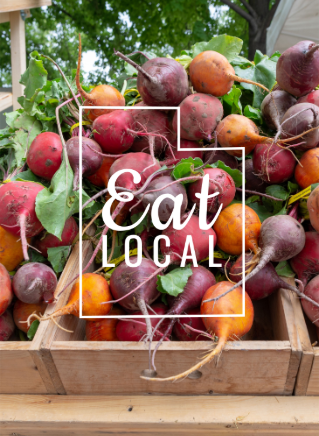
Eat Local logo on image of beets.

What is Eat Local Week?

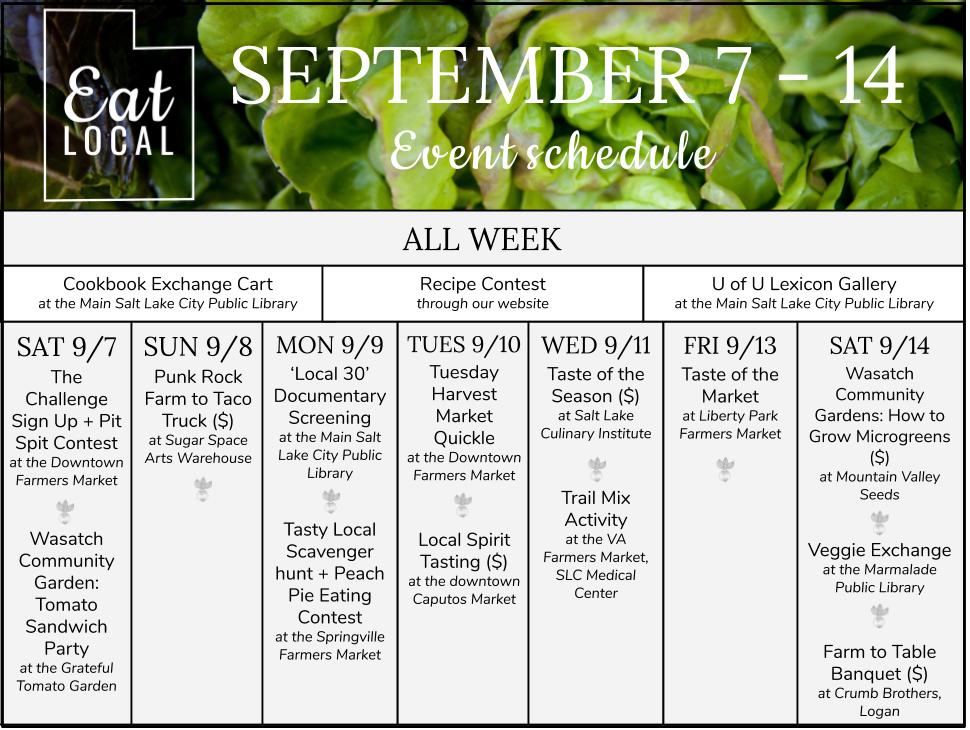
Eat Local Week Utah challenges you to eat as locally as possible from September 7th to 14th. “Local” typically qualifies as food grown and produced within a 250 mile radius. While it may seem daunting to go without coffee for a week, thanks to the local farmers markets and the events throughout Eat Local Week, there are many ways to participate!

The week’s events include a roster of fun for the whole family starting with Wasatch Community Garden’s Tomato Sandwich Party in the Grateful Tomato Garden. The event serves up free and absolutely fresh pesto and tomato sandwiches. This week you can also support Wasatch Community Gardens and eat fresh, locally grown tomatoes at local restaurants participating in the 2019 Tomato Days.

Other festivities include the Punk Rock Farm to Taco Truck, a Local Spirit Tasting at the Downtown Caputos, and a week-long recipe contest.

Eat Local Week Schedule.
Eat Local Week schedule provided by the Urban Food Connections of Utah.
Continue reading

Welcome Supreet Gill!

Supreet Gill is SLCgreen’s new Sustainability Program Manager.

SLCgreen is thrilled to welcome Supreet Gill to the Sustainability Department as our new Program Manager!

Supreet brings 15 years of experience in community food systems and a passion for improving urban and ecological resilience through sustainable agriculture and equitable community engagement.

Supreet has engaged in food systems on all levels — as a farmer, program manager for a refugee agriculture project, coordinator of urban farming and farm to school programs, and nutrition educator, to name a few!

In her prior position with Salt Lake County’s Urban Farming and Open Space program, she worked on numerous projects focusing on public lands management and community food systems. She also served on Salt Lake City’s Food Policy Task Force (now Food Policy Council) and has deep connections in the local food community.

As Sustainability Department program manager, Supreet will continue building our existing programs as well as developing new ones to strengthen the capacity of community residents and leaders to enhance the regional food system.

In short, her work is dedicated to improving community health and well-being, as well as making sure all residents have access to healthy, affordable, local food.

That goal entails a deep focus on community partnerships. She’ll continue making connections in the community– with farmers, local food producers, and other stakeholders. She’ll also work to ensure that communities, groups, and individuals with lower-access to resources are involved as deeply as possible in Salt Lake City’s work.

Finally, Supreet’s role will also include bridging with other government entities– within and outside of Salt Lake City– to prioritize strategies related to social and environmental justice, improving the local food system, and fostering equitable access to healthy food.

We’re thrilled to have her on the team!

Say hello when you see her at an upcoming community event . . . or a garden around town!

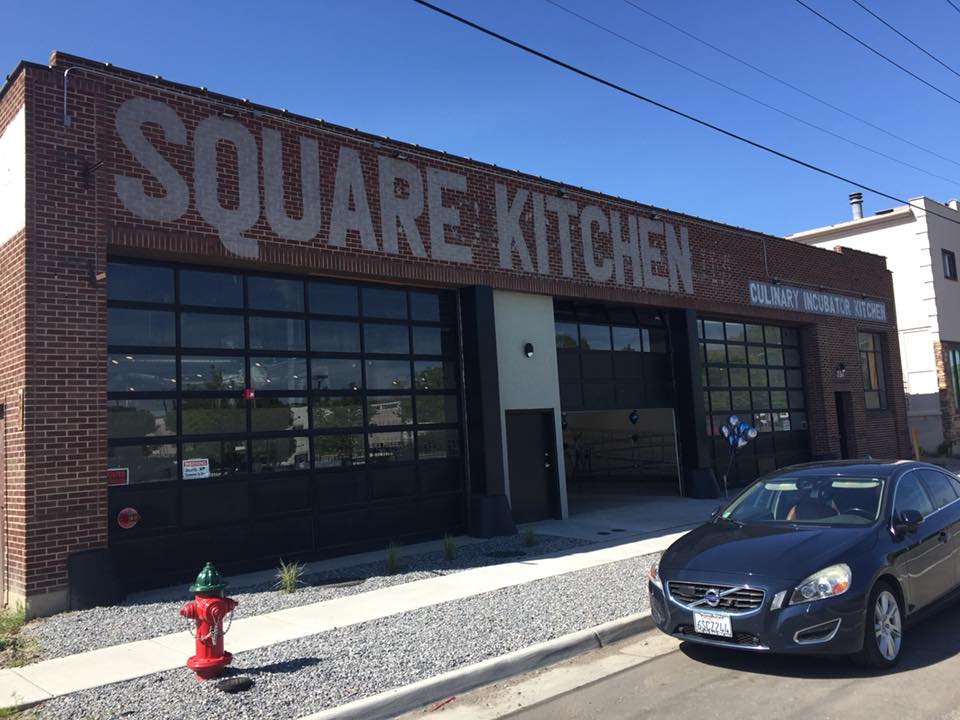
Happy Anniversary to SLC’s Square Kitchen!

Welcome to SLCgreen Connections, an occasional series highlighting SLCgreen’s fantastic local partners—the people and organizations with whom we work closely to make Salt Lake City a greener, more vibrant, and sustainable city!

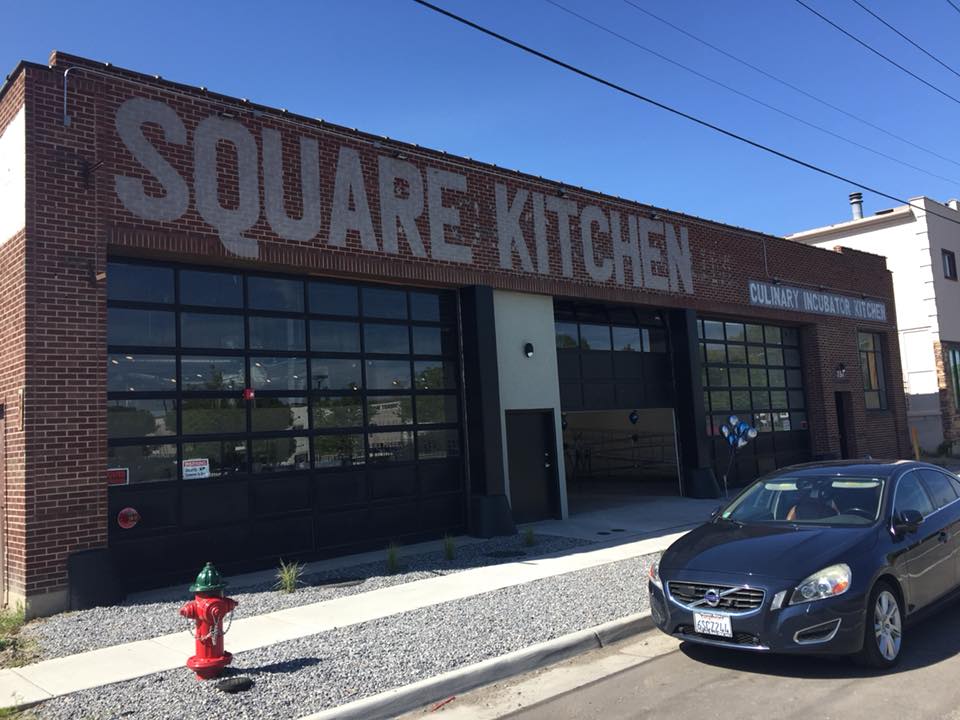
Can you believe it? It’s been over a year since Salt Lake City’s Square Kitchen opened. This labor of love took 8 years to fully realize and was one of our Department’s core Local Food access programs.

In that time, Square Kitchen’s Analia Valdemoros and Tham Soekotjo have truly taken the idea of an “incubator kitchen” from a dream to a thrilling reality while maintaining a strong focus on client support, flexibility, and creativity.

We met with Ana and Tham at the Square Kitchen facility on 751 West and 800 South to learn more about their first year of operation and take a peek at some of the local food businesses that got their start at the unique incubator space.

Square Kitchen
751 W. 800 S.
Continue reading

It’s Farmers Market Season!

Summer is here and along with it are the Salt Lake City area Farmers Markets. June 7th and 8th marked the start of another great summer of Farmers Markets with the Liberty Park Farmers Market on Friday night and the Downtown Farmers Market on Saturday morning. The markets ushered in summer with everything from delicious food trucks to fresh heirloom vegetables to artisan dog cookies!

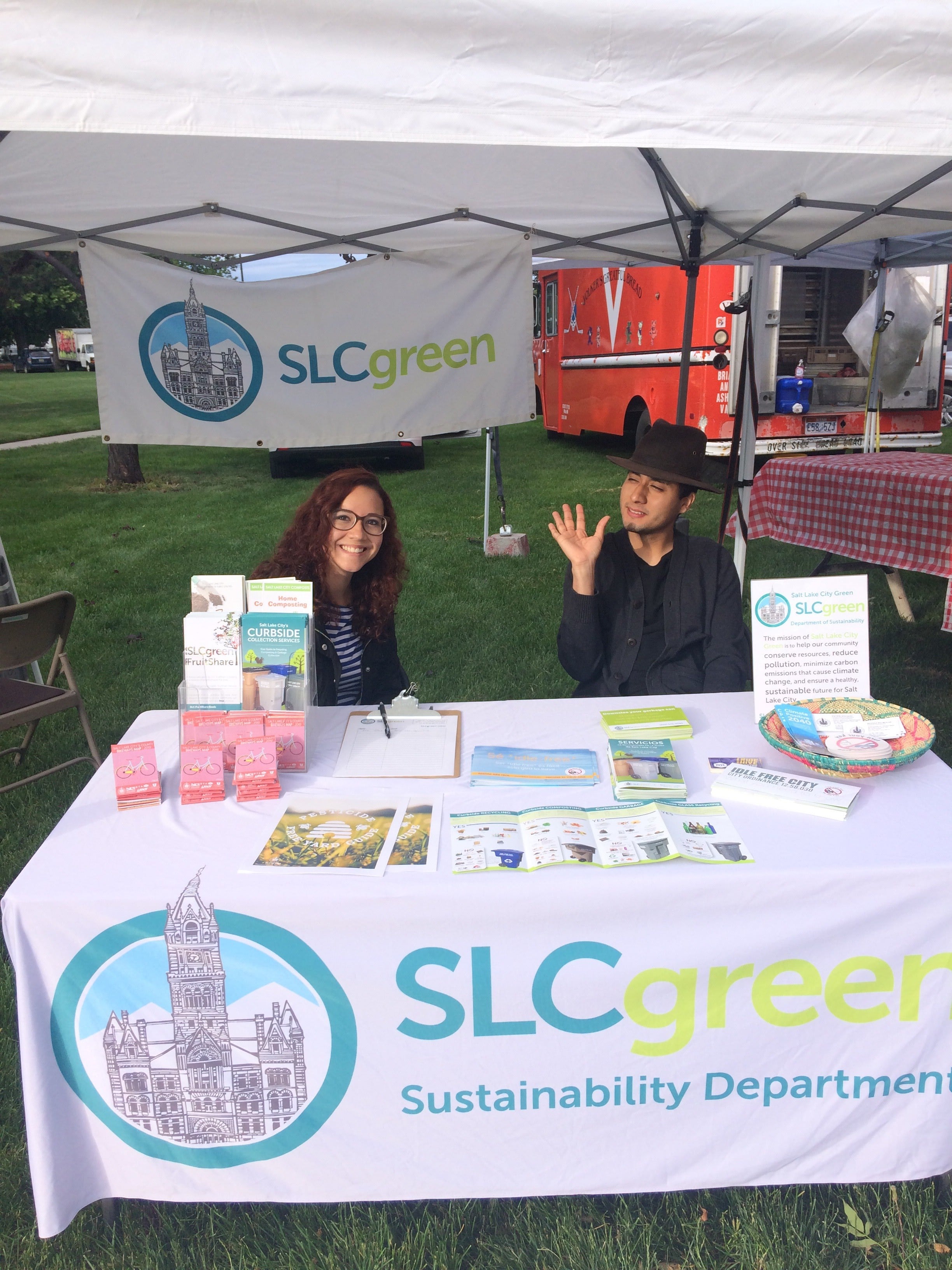
On Saturday, interns from SLCgreen tabled alongside farmers and vendors including Buzzed Coffee, Raclette Machine, Mamachari Kombucha, Volkers Bakery, and many more. Salt Lake City’s Farmers Market are a great way to support local growers; eat fresh, locally grown food; and to learn about sustainability projects in Salt Lake City.

SLCgreen Interns Linda Derhak and Atticus Olmedo tabling at the Downtown Farmers Market.
SLCgreen Interns Linda Derhak and Atticus Olmedo at the Downtown Farmers Market.

Support Farmers Markets

Salt Lake City supports community-based food production as a means of making fresh, sustainable foods more readily accessible.

Continue reading

Celebrate Pollinators at “Bee Fest” this Saturday

by SLCgreen Intern Atticus Olmedo

Bee Fest is on June 15!

Pollinators: we need them! And this Saturday, June 15, you can join Catalyst Magazine, Wasatch Community Gardens, and Slow Food Utah to help celebrate pollinators at the 9th Annual Bee Fest.

The event, which kicks off Pollinator Week (June 17-23), will be abuzz with pollinator activities including poetry readings, bee-friendly craft projects, games, and even an all-ages costume contest. If you care about pollinators, you won’t want to miss Bee Fest!

We’ll be there tabling and discussing our Pesticide Free SLC campaign. Come by, say hi, and pick up your free yard sign to show your commitment to chemical-free yard care that supports pollinators (and our health and environment).

Continue reading

Donate Fresh Food and Build Community: Register your Trees or Volunteer with SLC FruitShare

Every summer, across the valley, fresh fruit goes to waste, falling off of neighborhood trees and rotting on sidewalks and in backyards. The good news is that with an abundance of fruit trees, Salt Lake City is in a unique position to cut down on waste and provide affordable access to healthy food.

That’s how the Fruitshare program was born. Salt Lake City worked with the non-profit Green Urban Lunch Box (GULB) to launch this program several years ago with the goal of reducing food waste and providing healthy fruit to residents in need. SLCgreen has also supported the program financially until it became self-sustaining.

Since then the program has expanded beyond Salt Lake City, to include other areas along the Wasatch Front.

In 2017, volunteers with the Green Urban Lunch Box harvested over 50,000 pounds of fresh, locally grown fruit from local trees. Wow!

But they need your help to do even more.

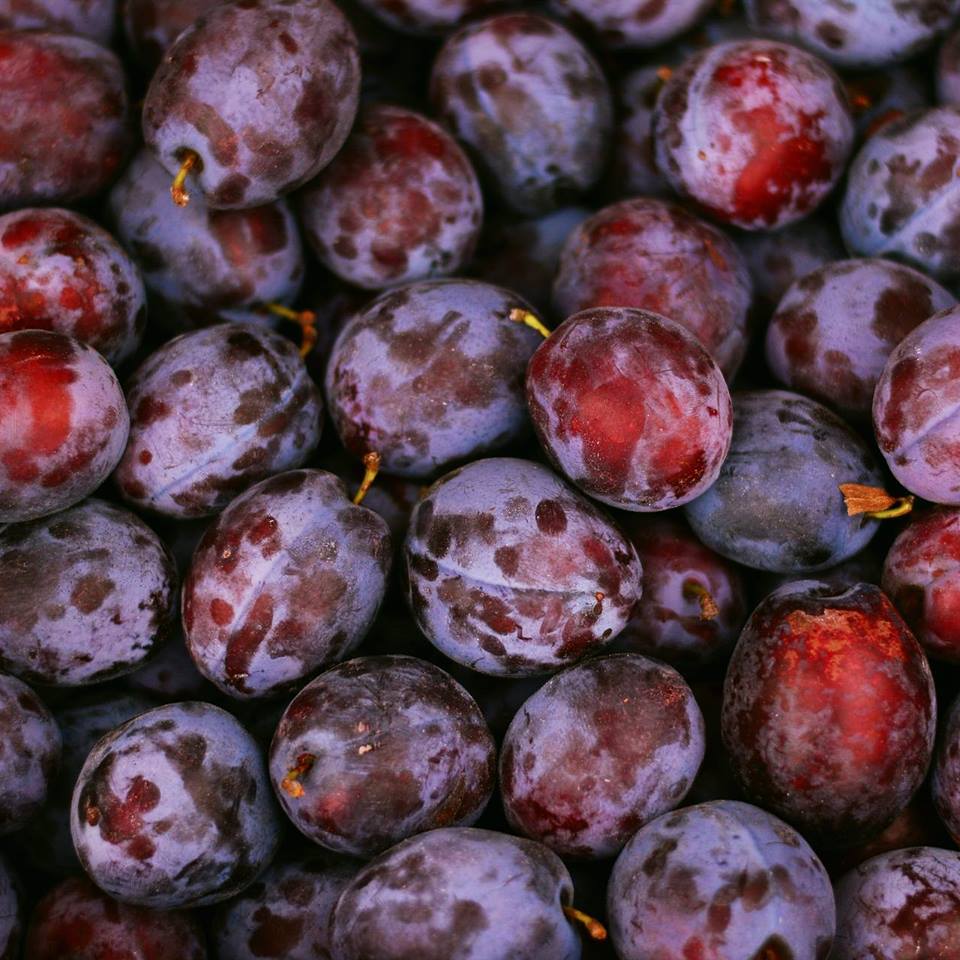
Fresh Plumbs from the FruitShare

What is the SLC FruitShare?

Instead of losing the fruit to the landfill, the SLC FruitShare will bring volunteers to harvest your fruit for you! If you have a tree or orchard that produces an abundance of fruit each year, you can register you trees and help strengthen our local food system.

Here’s how it works:

  • GULB volunteers harvest the fruit
  • FruitShare participants (the homeowners) will receive one-third of what’s gathered.
  • The other two-thirds is split between the FruitShare volunteers and hunger relief programs.
Continue reading

Interested in Joining a New Community Garden?

Growing fresh greens at the Gateway Community Garden, which opened in 2018.

Community gardens provide Salt Lake City with fresh, locally grown food and a vibrant space to connect with our neighbors. Salt Lake City’s community gardens are popular locations for everything from volunteering to learning about urban farming. Indeed, in conjunction with Wasatch Community Gardens (WCG), Salt Lake City has successfully developed seven community gardens in almost every corner of the city through our Green City Growers program.

These gardens include the Off Broadway Community Garden, Liberty Wells, Rose Park, Cannon Greens, 9-Line, Popperton Plots, and the Gateway Garden. Not only do these gardens support Salt Lake City’s dedication to increase local food production, they invigorate our neighborhoods by putting vacant lots to use in ways that support community engagement and biodiversity — all while limiting our communities’ carbon footprints.

Salt Lake City’s community gardens activate our neighborhoods, giving residents a space to engage with friends and neighbors and to grow fresh produce. And we just can’t get enough of them!

In order to continue to make community gardens accessible and ensure that locally grown food stays a priority, both Salt Lake City and Salt Lake County have proposed new community gardens to be built in 2020.

But the City, County, and WCG can’t do it alone. We need a strong show of support from nearby residents, indicating that the gardens will receive enough use.

Salt Lake City is working with WCG to establish Richmond Park Community Garden. Similarly, Salt Lake County and WCG are collaborating on a new garden in Sugar House Park. You can read more about the gardens below. If you would be interested in gardening at either of these parks, sign the petitions below to show your support.

Richmond Park

Salt Lake City highlighted Richmond Park for a potential garden. The park, which already has a fantastic playground, is nestled between 500 and 400 East along 600 South in downtown Salt Lake City.

Continue reading