As Salt Lake gardeners know, the cold is settling in and the growing season has just come to a close. We are all gearing up for holiday season – a time when food is more than just a meal. It is central to cultural celebrations and community connections.
This is an especially hard time for food insecurity.
In our city, about 1-in-4 (25%) residents are food insecure. Thousands of our neighbors rely on the Supplemental Nutrition Assistance Program (SNAP), formerly called “food stamps,” to make ends meet. Even when the benefit program is operating normally, families often must make difficult choices between necessary expenses like healthcare, childcare, paying rent, or putting food on the table. That is why recent developments around SNAP have been so concerning.
What is currently happening with SNAP?
In late October, the USDA, the administering body for SNAP, announced that November SNAP benefits would not be distributed due to the ongoing government shutdown. This is unprecedented. There are usually safeguards in place that allow the government to continue paying out SNAP benefits during a government shutdown.
Gratefully, on Halloween, a judge ruled that the federal government is required to disperse SNAP benefits even during the shutdown. In response, the USDA suggested that only partial benefits would be distributed, leaving recipients with far fewer dollars than they expected, some with as little as $16 for the month and other families without any benefits at all.
In addition, several changes to the SNAP program that were included in this summer’s Federal Budget Resolution went into effect, restricting eligibility and changing how states administer and pay for the program. These changes plus the uncertainty with the government shutdown mean most families have not received SNAP benefits for November and it is still unclear when those funds will arrive and how much they will offer.
Where can you get help?
If you are affected by the changes to SNAP or facing food insecurity for any other reason, you can call 211 to get connected to resources or visit 211utah.org. You can also see Salt Lake City specific organizations that are here to help, such as:
Community Fridges (information only available on Instagram)
SLC Food Not Bombs (information only available on Instagram)
Somali Community Self-Management Agency
What is Salt Lake City doing?
In the face of immediate need, Salt Lake City is trying to amplify the message of where to get help and how to support your local food banks and food-distributing organizations.
Long-term, Salt Lake City is working toward a more resilient and fair food system. The City has been actively working on local food policies and programs since about 2008. Now, the Food Systems Program (FSP) is one of the core focus areas for the Sustainability Department. The FSP supports and sustains a resilient food system in Salt Lake City through collaboration, planning, and resource development, focusing on sustainable food production, healthy food access, and food waste management.
The FSP has played a role in gathering key partners across the food system in Salt Lake City to collaborate on improving our food system. The Food Policy Council, which met from 2012 – 2023, worked to identify policy and program opportunities which would improve access to more healthy, affordable, and culturally-relevant food for all Salt Lake residents. The FSP also convened a two-year Resident Food Equity Advisors (RFEA) program to collaborate with community leaders who have experienced food hardship to identify assets and opportunities to make our local food system stronger.
For the last three years, the Food Systems Program has been conducting research for an updated Food Systems Assessment and will publish the findings this coming year, 2026. This will include input from frontline communities who experience more difficulty accessing the foods they want and need.
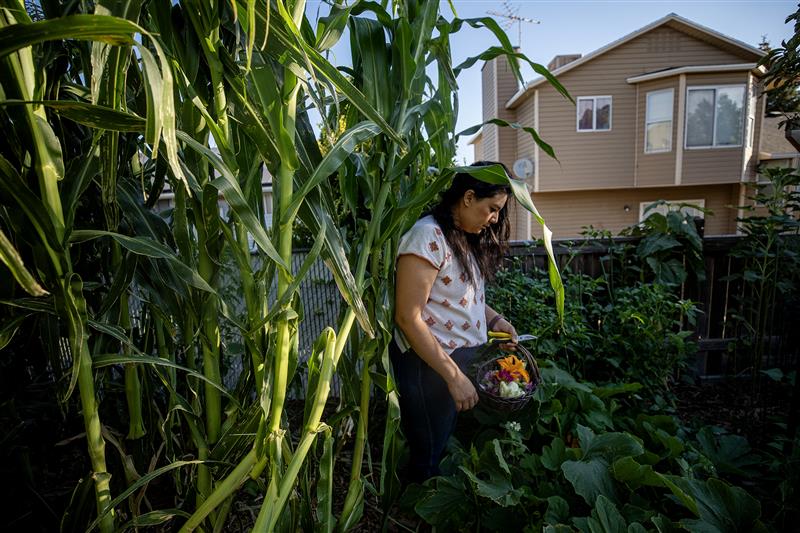
And most tangibly, for the past three years, the FSP has offered the SLC Food Microgrant Program where organizations and individuals can receive a small grant to increase their ability to grow food for themselves and their neighbors. 87% of Home Food Microgrant recipients reported that the grant allowed them to afford growing food for themselves and 78% of those same recipients reported being able to share food with their community. Learn more about the Community Food Microgrant recipients and their important food access projects.
What can you do to help?
Many folks feel frustrated and helpless at this moment seeing the stress and strain that changes at the federal level are bringing to our communities and neighbors. Having all 86,000 Utah families who rely on SNAP turn to food banks, generous local businesses, and community organizations to meet their daily food needs is not a sustainable solution. We hope that the federal government will come through with full SNAP funding as soon as possible. Until that happens, your dollars, time, and food can go a long way in helping your neighbors. This is how we practice community solidarity through a hard time.
If you are able to help, consider the following options:
- Check on your family, community, and neighbors and offer help where you can.
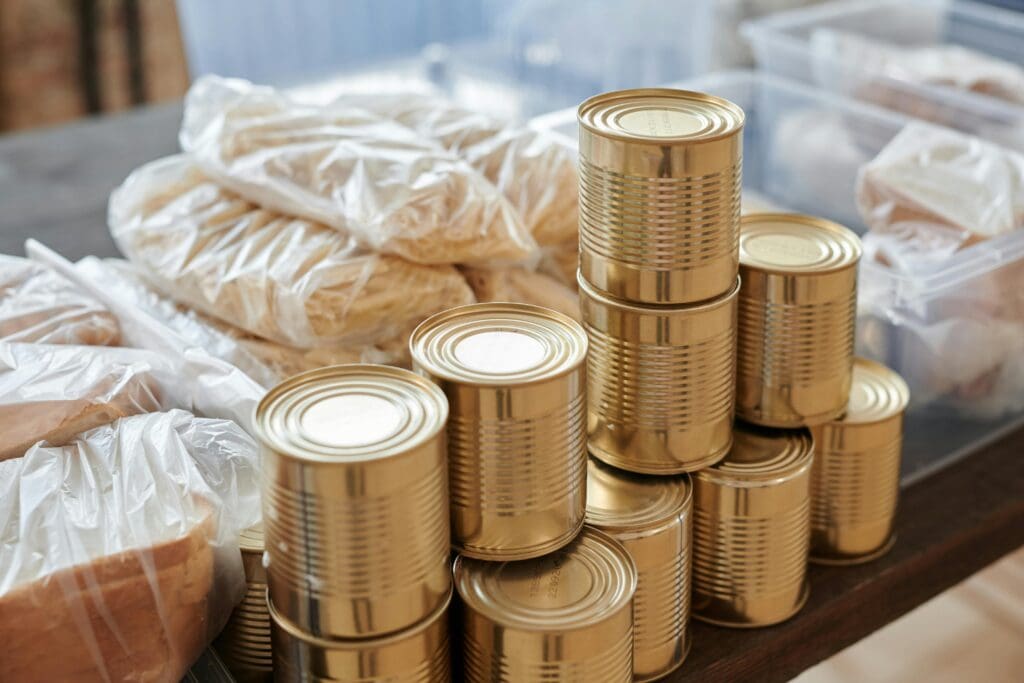
- Donate money to local mutual aid groups, community organizations, or local businesses who are providing food.
- Giving money allows pantries to purchase foods that their community wants and needs most.
- Food assistance organizations can often get food for better prices than you can at retailers (through sales tax breaks and wholesale pricing), making dollars stretch further.
- Donate food to community organizations.
- Check to see what items they have requested before donating.
- Please don’t donate expired food.
- Donate time by volunteering with food distributing organizations.
- Dispel myths about SNAP & food insecurity – learn about the program and its impacts.
- Be extra kind to people – this is a stressful time for so many.
Utahns are known for our generosity in providing community support. The strong and caring networks we have will help us through this time of food crisis and will continue to drive our investment in a more resilient food future.