
By SLCgreen intern Wiley Speckman and staff Jude Westwood
Thinking about a new car? Gas feels familiar and reliable, but if you care about climate change and air quality you may want to consider an electric vehicle (EV) instead. Here’s what you need to know.
First, are EVs really better for the environment?
As long as you need to drive the answer is, resoundingly, yes.
What about lithium mining? Yes, there are environmental and social costs to mining and it’s important to advocate for more responsible and humane mining practices. But there’s a key advantage: lithium is mined once, serves 10-20 years in a car battery and then can be efficiently recycled. Gas cars burn fossil fuels daily – requiring constant extraction.
You might wonder, well aren’t EVs charged on a coal-powered grid? Even charged on the dirtiest grids, EVs produce fewer emissions than their gas counterparts. Believe it or not, Utah’s grid is not the dirtiest in the country (eyes on you, West Virginia), and the benefits will only grow as our grid gets cleaner (we’re working on it).
And if you’re holding on to an old gas car, because you’re worried about the impacts of manufacturing – know that 85% of gas car’s emissions come from driving it, not building it. Anytime is a good time to switch.
Ok, so EVs are better for the environment, but is one right for you?
Range is one of the biggest concerns people have with EVs. And we’re going to be the first to say, it’s not 2010 anymore and a lot has changed! Let’s catch you up.
What you need to know about modern EV range:
- Longer Range: Today’s EVs deliver 250-350 miles of range per charge.
- Better performance in cold temperatures: In a newer EV your range may be reduced by 10-20% when it’s below freezing, but most models have built in systems to warm up the batteries, so they’ll continue to perform (and charge well) well even in a winter wonderland.
- Longer lasting, more reliable batteries: New batteries have also been built to maintain range over time and have warranties that stand by that. To put this in context, a decade from now a modern EV should still be able to get you from SLC to Moab in a single charge.
EV charging infrastructure has also come a long way:
- Road trips: Especially if you love a rugged adventure, it can be hard to trust a plug-in vehicle will get you where you need to go (and back). Private investments and initiatives like ChargeWest are making all the difference. In 2025, charging infrastructure grew by 30% compared to the previous year, with over 18,000 new fast charging ports installed nationwide. You can now expect to find fast chargers on highways, scenic byways, and in rural gateway communities across the intermountain west. With today’s fast chargers, you can add 200 miles of range in about 20-30 minutes.
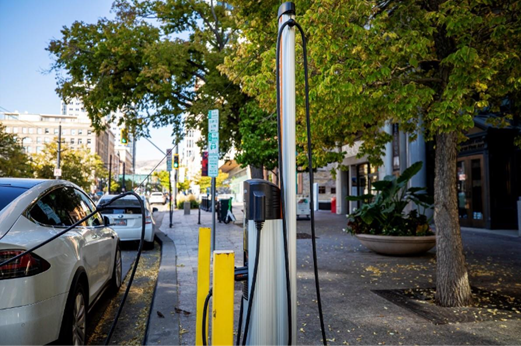
- Staying local: Salt Lake City, Murray, Cottonwood Heights, and many other Utah communities have installed public charging stations at workplaces, parks, malls, grocery stores, and more, with many of them offering free EV charging while you shop or work. You would literally be fueling up at no cost while running errands. Charging is moving into the background of daily life. You don’t ‘fuel up’ the same way you do with gas. Instead, you top off while shopping, working out, or grabbing a meal.
But what about the cost of an EV?
This is more of a mixed bag. Buying new, EV’s tend to be a bit more expensive, but most models suggest you’ll save in the long run on fuel and maintenance costs. Annual registration is more for an EV in Utah (because of state level legislation to make up for lost gas-tax). And insurance costs also tend to be higher although there’s less of a difference if you get an economy EV like a Chevy Bolt or Nissan Leaf.
The real opportunity lies in looking for a used EV this year. About 71% of EVs sold in recent years were leased due to a loophole in the EV tax credit rules. And most of those leases are about to come to an end, so forecasters are expecting a lot of used EVs on the market at close to half their original cost.
Automakers are also starting to produce cheaper EVs, so you can expect to see more affordable EV options in the coming years.
The Bottom Line
Switching to an EV is good for the climate – period. For Salt Lakers it’s also a powerful way to choose cleaner air in the face of a geography that works against us. And, if you’ve been putting off car shopping until this year, it could be a great time buy used.
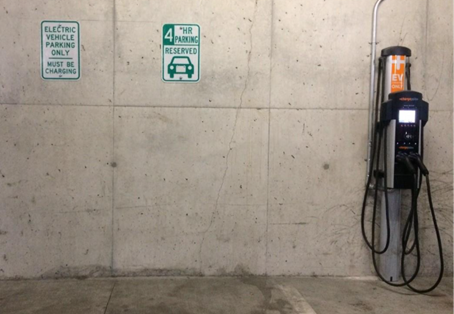
Icing on the cake? Some Utah cities, including Salt Lake, have discounted or even free parking for EVs. Salt Lake for example has a city ordinance that allows EVs to park at any metered space in the city for up to 2 hours at no cost. Now that’s a benefit we can all get behind.