
🌫️ It’s Inversion Season: What You Need to Know
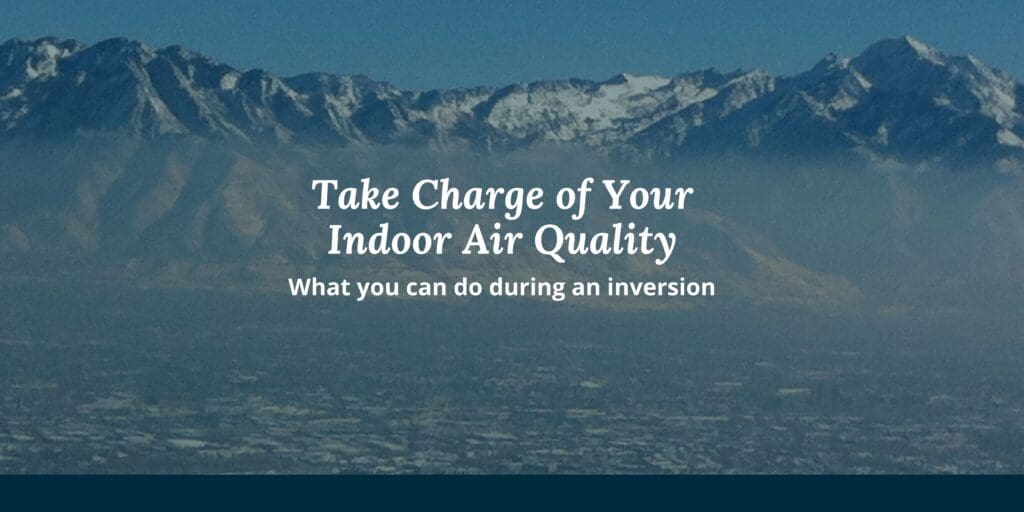
Each winter, the Wasatch Front experiences a natural weather pattern called an inversion — when a layer of warm air traps colder air (and pollution) near the ground. With nowhere for pollutants to go, our valley becomes a smog-filled bowl.
This impacts outdoor air and can affect indoor air quality, especially during long-lasting inversion events. As we enter peak inversion season, here’s what you need to know to keep your home healthy, safe, and breathable.
🌀 What Causes Utah’s Inversions?
Inversions are common in mountain valleys like the Wasatch Front. They happen when:
- Cold, dense air settles in the valley.
- A warm-air layer forms above the cold, dense air.
- Storm-free, calm conditions prevent the layers from mixing.
Pollution then becomes trapped close to the ground, causing particulate matter pollution (PM2.5 or PM10 levels) to rise quickly. Without wind or storms clearing the air, these pollutants accumulate day after day.
Common winter pollution sources include vehicle emissions, home heating, industry, and gas-powered tools and equipment.
👉 Check real-time air quality conditions at air.utah.gov or download the UtahAir app: Android | iOS
🌫️ Why Inversions Matter for Your Health
When PM₂.₅ builds up, even healthy people can feel the effects — but children, older adults, pregnant people, and those with heart or lung conditions are especially vulnerable.
Short-term exposure can cause:
- Coughing, throat irritation
- Trouble breathing
- Asthma episodes
- Headache and fatigue
Long-term exposure increases the risk of:
- Heart disease
- Respiratory illness
- Pregnancy complications
Learn more:
🔗 EPA – Health Effects of Particulate Pollution
🏡 Protecting Your Indoor Air During Inversion Days
Even though inversions are outdoor events, pollution can drift indoors. Creating a clean-air space at home can make a noticeable difference. Here’s how to keep your indoor air cleaner this winter:
1. Purify Your Air
Use a portable HEPA air purifier in the rooms you spend the most time in — especially bedrooms and living rooms.
2. Upgrade Your Furnace Filter
Install a high-efficiency filter (MERV 11 or higher) if your HVAC system can handle it. Change filters more frequently during inversion season (i.e. monthly).
3. Reduce Indoor Pollution Sources
Choose cleaner heating and ventilation practices. Avoid:
- Burning candles or incense
- Using wood-burning fireplaces
- Smoking or vaping indoors
4. Ventilate Wisely
On days when the outdoor air quality is good (green or yellow), open windows to refresh indoor air.
On bad air quality days (orange or red), keep windows closed and run your air purifier. Ventilate wisely by using kitchen and bathroom exhaust fans to help remove indoor pollutants.
5. Create a Clean Air Room
Select one room (often a bedroom) to seal drafts and run a HEPA purifier continuously during inversion season.
🚗 What You Can Do to Reduce Pollution During Inversions
Small choices across the community add up fast to collective impact.
- Reduce car trips by using public transit, carpooling, walking, or combining errands.
- Avoid idling.
- If you are buying a new car, consider purchasing an electric vehicle.
- Use low-VOCs household and personal products (like cleaning products, air fresheners, and cosmetics).
- Electrify your household appliances, like your gas stove or furnace. If you’re in the market for new appliances, consider electric or induction ranges as an alternative to your gas stove, or a heat pump as an alternative to your gas furnace.
- Follow No Burn Days and postpone wood burning.
Learn more:
🔗 Utah DAQ – TravelWise Strategies
🔗 SLCgreen – Clean Air Resources
🌬️ Together for a Healthier Winter
Inversion season is challenging — but with awareness and smart air-quality habits, you can protect your health and help keep our community’s air cleaner. Thank you for doing your part to make Salt Lake City a great place to live through all four seasons.
❓ Questions About Improving Your Indoor Air?
If you have questions about using your air purifier or improving your indoor air, don’t hesitate to reach out. 📬 Contact us at cleanairslc@slc.gov.
Missed the previous Indoor Air Quality newsletters? Read them on our blog here!
-The Clean Air SLC Team